Archaeo-Tech: Exploring South Carolina’s Cultural Landscape
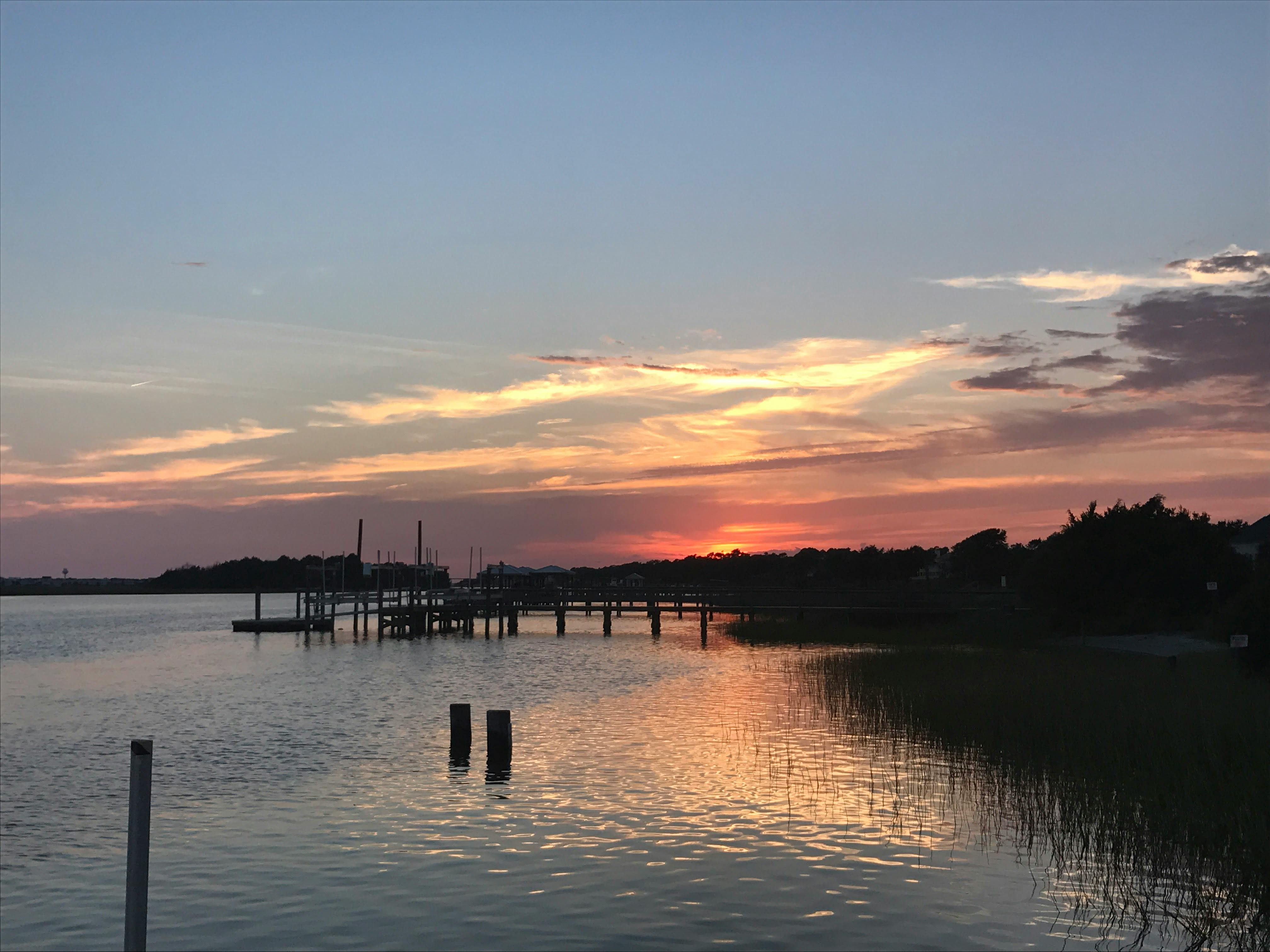
Students will explore the unique features and characteristics of South Carolina’s five landform regions: the Coastal Zone, the Coastal Plain (divided between the Inner and Outer Coastal Plain), the Sandhills, the Piedmont, and the Blue Ridge. Using Google Earth, students will learn about the state’s natural resources, as well as its cultural resources by studying Heritage Preserves located in each landform region. Students will connect South Carolina’s physical landscape to its cultural landscape, learning how the state’s geography has affected human interaction with the landscape throughout time.
Lesson Created By: MegGaillard
Lesson Partners: South Carolina Department of Natural Resources
Essential Question
How have the unique geography and natural resources of South Carolina's landform regions influenced the development of its cultural heritage and human history over time?
Grade(s):
- 9
- 10
- 11
- 12
Subject(s):
Recommended Technology:
Other Instructional Materials or Notes:
· Activity Handout (one for each student)
· Exploring South Carolina’s Cultural Landscape KML file
· Computers with access to the internet
Lesson Progression
1. This lesson and activity uses the web version of Google Earth, linked in the resources section.
2. Before starting the lesson, make sure Google Earth is launched on your students’ computers and the “Exploring South Carolina’s Cultural Landscape” presentation is opened in Google Earth. This presentation is available as a KML file.
a. Alternatively, you can upload the presentation to your computer and go through the activity as a class with your students following along with their worksheets.
3. Distribute the activity worksheet. This activity is best suited to be completed individually or in pairs.
4. Go over the activity directions with your students. They should complete the worksheet as they go through the presentation and not wait until the end of the presentation to answer the questions on the worksheet.
5. Write the term “cultural landscape” on the board. Ask your students if they know what this term means. If they do not, that is okay. Have them write their best (educated) guess under the pre-activity question on their worksheet.
6. Have your students go through the Google Earth activity or go through the activity with your students as a class. Students should read the information on each slide before moving on to the next. Feel free to let students play with Google Earth to gather more information. Encourage them to zoom in, zoom out, or move around the map. Ask them if they can see certain natural or man-made features on the map, like rivers, marshes, mountains, buildings, farms, etc.
7. When students are finished with the activity, return to the pre-activity question. Discuss the questions under the “Conclusion” section in the activity worksheet. What is a cultural landscape? What have they learned about South Carolina’s cultural landscape?
8. For further investigation, students can research the landscape of their local area. A field trip or a class project on a local Heritage Preserve is an excellent way to learn about South Carolina’s natural and cultural landscapes.
Teacher Notes
Differentiate: Vocabulary Support: Distribute a visual glossary of key terms (Heritage Preserve, cultural landscape, landform regions) with simple definitions before the activity begins. See vocabulary terms document linked in the resources tab.
Extend: Vertical Connections: Challenge students to connect the current region's cultural landscape to a previous or future historical unit (e.g., how the coastal topography affected Revolutionary War defense).
Exploring South Carolina’s Cultural Landscape Activity Worksheet
Print a copy for each student.
View ResourceVocabulary
View ResourceGoogle Earth
View ResourceStandards
- HG.1.1.HS Identify and analyze the spatial distributions and patterns of human population using maps and geographic models and representations.
- HG.1.5.HS Evaluate the cultural, economic, environmental, and political impacts of human migration on human settlements in various regions.
- HG.2.1.PR Identify regions of varying degrees of economic development, and explain the factors that influence the location and spatial distribution of these regions at the local and global scales using maps and geographic models and representations.
- HG.3.5.PR Compare and contrast cultural landscapes in various regions, and analyze the human imprint on different landscapes.
- HG.5.1.PR Identify and explain the conditions and connections that influence the characteristics, forms, and functions of cities and their spatial distribution.
- HG.5.2.PR Analyze and compare the arrangement of land used in human settlements in different regions using maps, models, and representations.
- HG.5.4.HS Explain and analyze how distribution and patterns of urban size and hierarchy shapes the design, planning, and structure of other human settlements.
- HG.5.6.AG Gather evidence on human settlements, construct a map to explain processes, patterns and functions in various regions, and communicate findings.
Assessments
Use the performance task linked in the resources tab to assess student learning outcomes.