Historical Letter Analysis

This lesson explores Fort Lamar and the Civil War's early years, then analyzes soldier letters from the Battle of Secessionville to highlight the value of primary documents in understanding personal experiences and perspectives beyond the broader historical narrative.
Lesson Created By: MegGaillard
Lesson Partners: South Carolina Department of Natural Resources
Essential Question
How can personal accounts, like soldier letters, provide unique insights into the experiences and perspectives of individuals during the Civil War, beyond the broader historical narrative?
Grade(s):
- 8
Subject(s):
Recommended Technology:
Other Instructional Materials or Notes:
Civil War Letter Analysis Worksheet
Lesson Progression
1. Give a brief overview of Fort Lamar and the Battle of Secessionville. Reference the background information linked in the resources tab.
2. Show the Fort Lamar documentary film (linked in the resources tab).
3. Discuss with students the early years of the Civil War, the Charleston naval blockade, and the Union occupation of South Carolina’s sea islands.
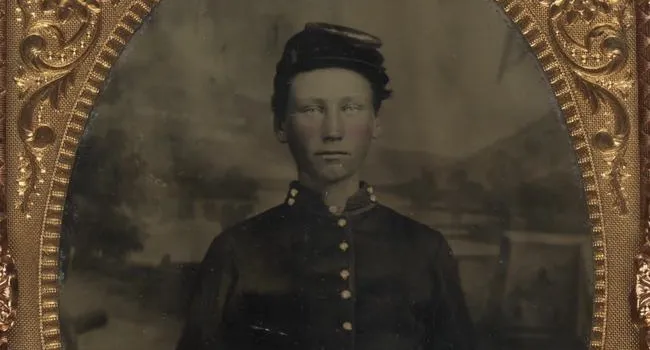
4. Introduce James and Alexander Campbell and discuss their participation at the Battle of Secessionville.
5. Distribute the Civil War Letter Analysis Worksheet (linked in the resources tab).
6. Optional. Divide the class into three groups and assign each group a single letter to read and analyze as a team.
7. Have the students read the letters individually, and then, as a group or as a class, have the students discuss their impressions and observations. Ask the students what they can infer from reading these documents.
8. Use the letters to explore and discuss the lives of soldiers in the Civil War. Also use the brothers’ backgrounds as Scottish immigrants to discuss the contributions of immigrants to the war on both sides.
9. Finish the lesson by having the students complete the worksheet, and emphasize the importance and utility of primary documents, such as letters, when researching and learning about history.
Teacher Notes
differentiate: Before analyzing the letters, provide students with a list of key vocabulary terms from the Civil War era (e.g., blockade, regiment, rations). Define these terms and offer context for their usage within the Civil War. This will help struggling readers understand the content of the letters and participate more effectively in discussions.
extend: Challenge students to research the experiences of immigrant soldiers on both the Union and Confederate sides during the Civil War. They can compare and contrast the letters from the Campbell brothers with letters or diaries from immigrant soldiers from different backgrounds. Students can present their findings to the class, highlighting the similarities and differences in motivations, experiences, and challenges faced by these soldiers.
Historical Background Information
Reference during whole group discussion part of the lesson.
View ResourceThe Planter at the Gate Video
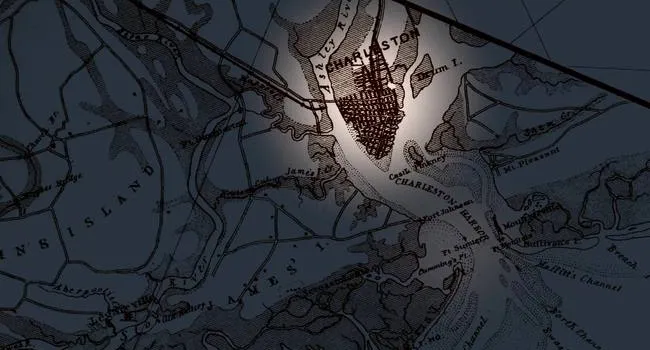
June, 1862. Capturing Charleston, the gateway to the South, would cripple the Confederacy. Impatient with their Naval blockade of the Holy City, the Union Army decided to go for the back door. One man, Thomas Gresham Lamar, held the keys.
View ResourceStandards
- 8.3.CO Compare the debates between South Carolina and the federal government regarding slavery, federalism, and the Constitution.
- This indicator was developed to encourage inquiry into the debates, heightened by Westward Expansion, over federal and state power concerning slavery, and the government's role in protecting and securing natural rights.
- 8.3.CE Examine consequences of the major Civil War military strategies.
- This indicator was designed to encourage inquiry into the Civil War focusing on the impacts of military strategies and major turning points on South Carolina and the U.S.
- 8.3.CC Analyze debates and efforts to recognize the natural rights of marginalized groups during the period of expansion and sectionalism.
- This indicator was designed to encourage inquiry into the continuities and changes of the experiences of marginalized groups such as African Americans, Native Americans and women, as the U.S. expanded westward and grappled with the development of new states.
- 8.3.E Utilize a variety of primary and secondary sources to analyze multiple perspectives on the effects of the Civil War within South Carolina and the United States.
Assessments
Use the Civil War Letter Analysis Worksheet (linked in the resources tab) to assess student learning outcomes.