Salt Marsh Ecosystem

This lesson will explore the Civil War battle of Secessionville and its connection to the unique ecosystem of the Carolina coast's salt marshes. Students will analyze the importance of these marshes, then participate in a food web activity and artwork project to understand the delicate balance of life within them.
Lesson Created By: MegGaillard
Lesson Partners: South Carolina Department of Natural Resources
Essential Question
How do seemingly unrelated events, like a Civil War battle, highlight the importance of a specific ecosystem?
Grade(s):
- 5
- 6
- 7
- 8
Subject(s):
Recommended Technology:
Other Instructional Materials or Notes:
Materials
- Who Am I? Food Web Activity Materials
- Multiple sets of the student index cards (varies depending on class size)
- Teacher index card set
- Cutout arrows
- Scratch Paper
- Colored pencils, markers, crayons, etc.
- Scissors
- Optional: Wildlife magazines to cut pictures out of
Lesson Progression
Lesson
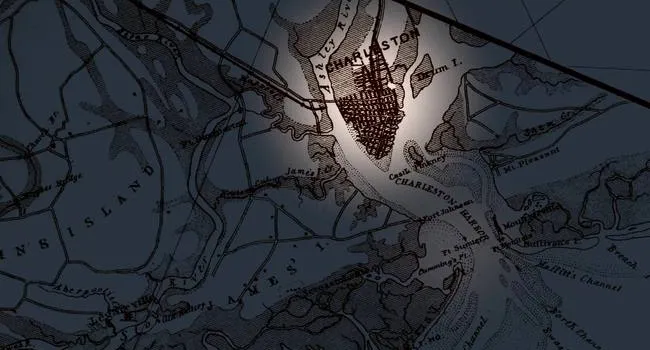
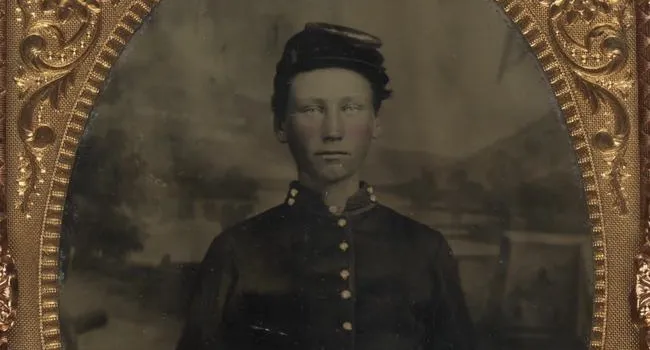
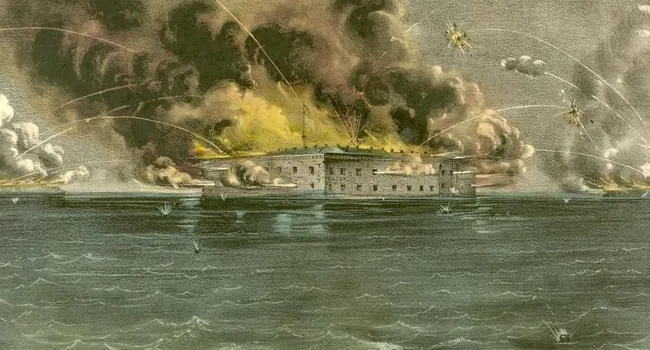
- Give a brief history of Fort Lamar and the Battle of Secessionville. Refer to the historical background information linked in the resources tab.
- Show the Fort Lamar documentary film (linked in the resources tab)
- Discuss with the students the importance of salt marshes at the Battle of Secessionville. Use this history discussion to lead into a discussion of the ecology of salt marshes and their status as unique ecosystems of the Carolina coast.
- Ask students what comes to mind when they think of salt marshes. Review key terminology.
- Divide students into small groups. Give each group a set of index cards and arrows for the “Who Am I? Salt Marsh Food Web Activity”.
- On each index card is a description of an organism that is a part of the salt marsh ecosystem. In small groups, students are to organize these index cards into a food web, with arrows pointing in the direction of energy transfer.
- Once all groups are finished, direct your students’ attention to the white board. Using the teacher’s set of index cards which have both the organism’s description and a picture of the organism, read the descriptions out loud and ask students what they think the organism is and where this organism fits in the food web. Stick the cards on the board and use a marker or a piece of chalk to draw arrows indicating the transfer of energy.
- Discuss with your students the role of each organism in the ecosystem. Who are the producers, consumers, and decomposers? Ask your students what would happen if certain organisms disappeared from the ecosystem. How would that impact other organisms? What would happen if there were too many of a certain organism? Would this be good or bad for the ecosystem?
- Finish the lesson by distributing paper, markers, crayons, etc. Using what they have learned, have your students draw a scene from a salt marsh featuring appropriate organisms and physical environment. Have your students label different parts of their picture, including organisms, marsh zones, tides, etc.
Optional. To extend the lesson plan for upper level classes, have your students research and write a short paper on a single organism that belongs to the salt marsh ecosystem. Papers should discuss the biology of the organism, its place in the salt marsh ecosystem, and conservation efforts to protect this species and its habitat.
Teacher Notes
extension: Research a specific organism from the salt marsh and create a presentation detailing its adaptations to the salty environment, its role in the food web, and potential threats to its survival. OR Compare and contrast salt marshes from different regions of the world. How do variations in climate, geography, and human activity affect these ecosystems? Students can create a map highlighting different salt marsh types or prepare a presentation for the class.
differentiation: Offer sentence starters for the final artwork project. These starters can guide students in labeling the different parts of their salt marsh scene, such as "In the high marsh, I see..." or "The rising tide brings..."
Historical Background & Salt Marsh Ecology Information
Reference this information during the whole group discussion portion of the lesson.
View ResourcePluff Mud Video
Pluff mud is a very fine muddy sediment in the tidal creek and low marsh zones that one can sink in. It caused trouble for the Union army while trying to capture Fort Lamar.
View ResourceStandards
- 5-LS2 Ecosystems: Interactions, Energy, and Dynamics
- 8.3.CO Compare the debates between South Carolina and the federal government regarding slavery, federalism, and the Constitution.
- This indicator was developed to encourage inquiry into the debates, heightened by Westward Expansion, over federal and state power concerning slavery, and the government's role in protecting and securing natural rights.
- 8.3.CE Examine consequences of the major Civil War military strategies.
- This indicator was designed to encourage inquiry into the Civil War focusing on the impacts of military strategies and major turning points on South Carolina and the U.S.
- 8.3.CC Analyze debates and efforts to recognize the natural rights of marginalized groups during the period of expansion and sectionalism.
- This indicator was designed to encourage inquiry into the continuities and changes of the experiences of marginalized groups such as African Americans, Native Americans and women, as the U.S. expanded westward and grappled with the development of new states.
- 8.3.E Utilize a variety of primary and secondary sources to analyze multiple perspectives on the effects of the Civil War within South Carolina and the United States.