Heritage Tourism: Explore Local Culture

This lesson explores heritage tourism, how it can preserve historical sites like Fort Frederick, and challenges students to brainstorm creative ways to promote such locations for future generations. Students will analyze existing methods and develop their own strategies, fostering a deeper understanding of history and its connection to the present.
Lesson Created By: MegGaillard
Lesson Partners: South Carolina Department of Natural Resources
Essential Question
How can we use heritage tourism to preserve and share the stories of the past for future generations?
Grade(s):
- 6
- 7
- 8
Subject(s):
Recommended Technology:
Other Instructional Materials or Notes:
- paper products (ie, construction, cardboard)
- markers, colored pencils, crayons
- scissors
- glue
- printed photographs
- computer
- color printer
- camera
- sound equipment
- design and/or editing software
Lesson Progression
Lesson
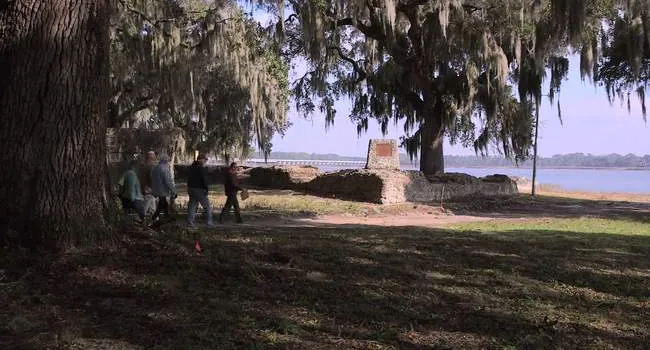
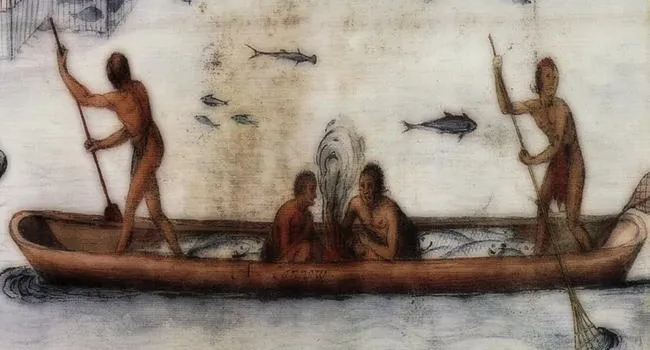
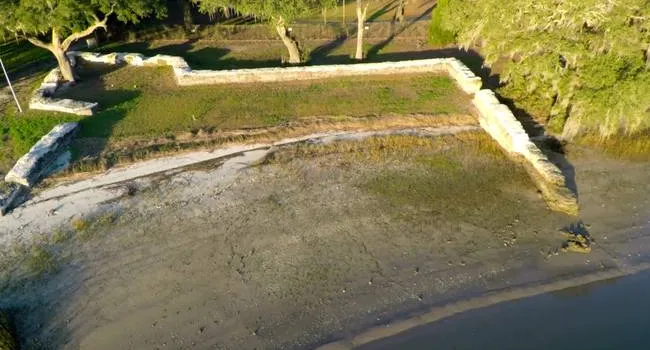
- Give a brief history of Fort Frederick Heritage Preserve. Reference the historical background information linked in the resources tab.
- Give a brief overview of heritage tourism.
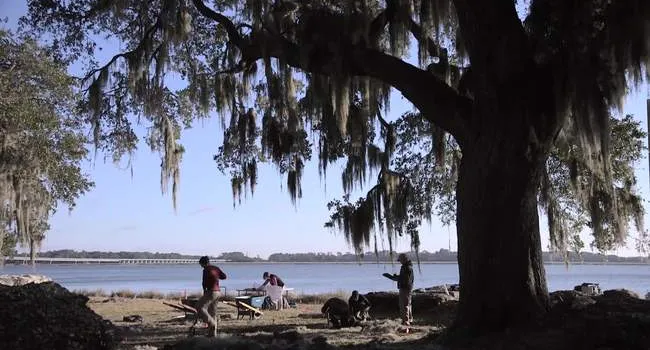
- Show the Fort Frederick Tours documentary film. Optional: Show the other Fort Frederick documentary films (History, Archaeology, and Tabby).
- Discuss with the students why heritage tourism of archaeological sites and other cultural resources like Fort Frederick Heritage Preserve is important.
- Using the Tours documentary film as an example to promote heritage tourism of Fort Frederick Heritage Preserve and Port Royal, SC, brainstorm with the students about other methods they could use to promote heritage tourism (i.e., postcards, brochures, museum displays, outdoor signage, and films).
- As a class or in groups, have the students brainstorm places (local, state, or world) that they would like to promote through a heritage tourism campaign.
- Students or groups will decide on one place to promote through a heritage tourism campaign activity.
- Students or groups will decide what method(s) they would like to use to promote heritage tourism at this chosen place. Alternatively, the teacher can choose one method.
- Students will research their chosen location and choose one or more themes (i.e., African American history, historic downtown, etc.) to promote through the activity.
Suggested Heritage Tourism Activities
- Each student writes a postcard or letter to a friend talking about their trip to a heritage tourism location.
- Each student or group designs a postcard to promote a heritage tourism location.
- Each student or group designs a flyer to promote a heritage tourism location.
- Each student or group creates a brochure to promote a heritage tourism location.
- Each student or group creates a photo essay to promote a heritage tourism location.
- Each student or group writes a newspaper article to promote a heritage tourism location.
- The class develops a website to promote a heritage tourism location.
- The class develops a cultural festival to promote a heritage tourism location.
- The class works together to create a film to promote a heritage tourism location.
- The class develops a heritage tourism travel corridor.
10. Following the activity, have the students evaluate the value of the product they created in this activity. Do they think they were successful in developing effective material for promoting heritage tourism through this activity? What would they do differently? What would they do again? What was the most difficult part of this activity, and the easiest?
Teacher Notes
extension: Guest Speaker: Invite a local historian, archaeologist, or someone involved in managing a heritage site to speak to the class. This can provide a real-world perspective and spark student interest. OR Living History Day: Have students research a specific historical figure or event related to Fort Frederick and present it through a skit or role-play. This allows them to be creative and engage with the material in a different way.
differentiation: For students struggling with the documentary or lecture format, provide an alternative information source like a graphic organizer with key points and visuals from the documentaries or historical site. This can be filled in while watching the film or during a lecture to help them grasp the main ideas.
Historical Background: Heritage Tourism
Reference information for whole group discussion during lesson.
View ResourceFort Frederick Public Tours
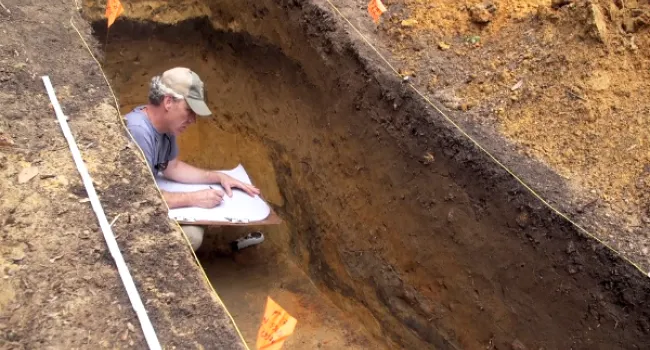
Join schools groups and the general public as they tour Fort Frederick Heritage Preserve, learn about archaeology, historic preservation, and the history of the property.
View ResourceStandards
- 6.3.CO Compare European motivations for exploration and settlement.
- This indicator was developed to encourage inquiry into European motivations for exploration and settlement as a result of the closing of the Silk Road. This indicator was also written to foster inquiry into the development of the Atlantic World, and the resulting economic, political, and social transformations in European, American, and African societies.
- 6.4.CE Analyze the economic, political, and social impacts of colonialism and the rise of imperialism.
- 8.1.CO Compare the three British North American colonial regions economically, politically, socially, and in regard to labor development.
- This indicator was developed to encourage inquiry into how the three British colonial regions developed in terms of their culture, economies, geography, and labor. The indicator was also developed to encourage inquiry into the unique story of the development of South Carolina.
- RI.P.4 Read with sufficient accuracy and fluency to support comprehension.
- W.MCC Meaning, Context, and Craft
- W.L.4 Demonstrate command of the conventions of standard English grammar and usage when writing or speaking.
- W.RC.6.1 Write routinely and persevere in writing tasks over short and extended time frames, for a range of domain specific tasks, and for a variety of purposes and audiences.
Assessments
Use the student-produced tourism campaign artifact as an assessment. Suggestions given under the lesson tab.