Archaeo-Tech: Heritage at Risk Case Study - Barrel Well Rescue

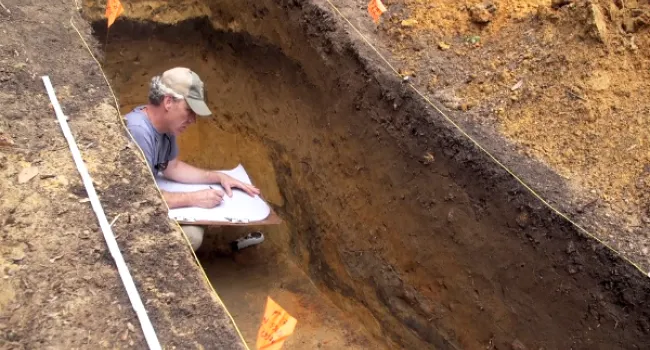
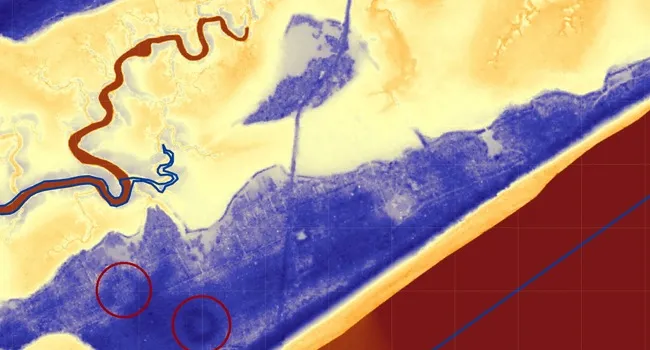
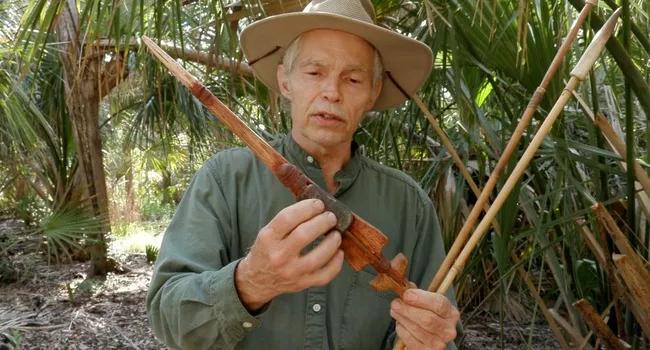
In this lesson plan, students will learn about the unique and complicated threat coastal erosion, sea level rise, and climate change poses to cultural sites. Students will examine how maritime archaeology, otherwise known as underwater archaeology, can address these issues, especially in managing sites that are currently being submerged due to sea level rise. Students will learn about archaeology through a short video by the South Carolina Department of Natural Resources Heritage Trust Program and explore these issues through the case study of a barrel well on Fort Frederick Heritage Preserve in Beaufort County, South Carolina.
Lesson Created By: MegGaillard
Lesson Partners: South Carolina Department of Natural Resources
Essential Question
How can maritime archaeology and heritage management adapt to and mitigate the threats that climate change and sea level rise pose to the world's coastal cultural sites?
Grade(s):
- 2
- 3
- 4
- 5
Subject(s):
Recommended Technology:
Other Instructional Materials or Notes:
Activity Handout (1 handout per group of 4-6 students)
Lesson Progression
1. Before beginning the lesson plan, print the handout for the activity (1 handout for each group of four to six students).
2. Students should already be familiar with concepts and issues pertaining to climate change, sea level rise, and coastal erosion before beginning this lesson. This lesson is intended as a case study for students to apply their knowledge of climate change and coastal erosion to develop solutions to some of the issues created by these phenomena.
3. Introduction: Introduce the topics of archaeology, Heritage at Risk, climate change, and sea level rise. Encourage your students to think about how issues like sea level rise impact peoples’ communities and cultural heritage.
4. Video: Show your students the video “Fort Frederick Archaeology” linked in the resources tab.
5. Activity: Briefly discuss the video, then divide your class into groups containing four to six students. Distribute the handout. Have your students read through the handout. Working in groups, have your students develop a salvage/monitoring plan for the Fort Frederick barrel well. Have your students consider the pros and cons for their plan, as well as the short-term and long-term consequences for their proposed strategy.
- Optionally, for higher grade levels, students can read the article “The Fort Frederick Barrel Well” by James Spirek in addition to the handout (Linked in the resources tab).
6. Discussion: After your students have completed the activity, regroup as a class, and have each group share their proposed solution. Each solution should weigh its potential benefits and drawbacks. After each group has shared their solution, discuss how archaeology can contribute to understandings of climate change and how climate change threatens cultural sites and cultural heritage.
Teacher Notes
Differentiate: Give groups a checklist of required components for their plan (e.g., must include 1 cost estimate, must mention 1 specific material, must address the short-term goal) to ensure they cover the necessary scope.
Extend: Challenge students to research the state and federal laws (e.g., National Historic Preservation Act, Abandoned Shipwreck Act) that would govern the barrel well's salvage. Their plan must explicitly address the legal and ethical steps required before work begins.
Heritage at Risk Background Info & Vocabulary
Reference for the whole group portion of the lesson. Vocabulary terms included.
View ResourceFort Frederick Archaeology Video
View ResourceThe Fort Frederick Barrel Well Article
View ResourceStandards
- 2-ESS1-1. Use information from several sources to provide evidence that Earth events can occur rapidly or slowly.
- 2-ESS2-1. Compare multiple solutions designed to slow or prevent wind or water from changing the shape of the land.
- 2-ESS3-1. Design solutions to address human impacts on natural resources in the local environment.
- 3-ESS3-1 Make a claim about the effectiveness of a design solution that reduces the impacts of a weather related hazard.
- 4-ESS3-2. Generate and compare multiple solutions to reduce the impacts of natural Earth processes on humans.
- 5-ESS3-1. Evaluate potential solutions to problems that individual communities face in protecting the Earths resources and environment.
Assessments
Use the performance task linked in the resources tab to assess student learning outcomes.