Robert Smalls

This lesson delves into the story of Robert Smalls, a pivotal figure in the Civil War, and explores the changing role of African Americans during the conflict. Students will analyze Smalls' actions and their impact, considering the broader historical context.
Lesson Created By: MegGaillard
Lesson Partners: South Carolina Department of Natural Resources
Essential Question
How did the actions of individuals like Robert Smalls influence the Civil War and the fight for freedom for African Americans?
Grade(s):
- 8
Subject(s):
Recommended Technology:
Other Instructional Materials or Notes:
Materials:
- Background Readings
- Optional materials for presentations (as decided by students)
Lesson Progression
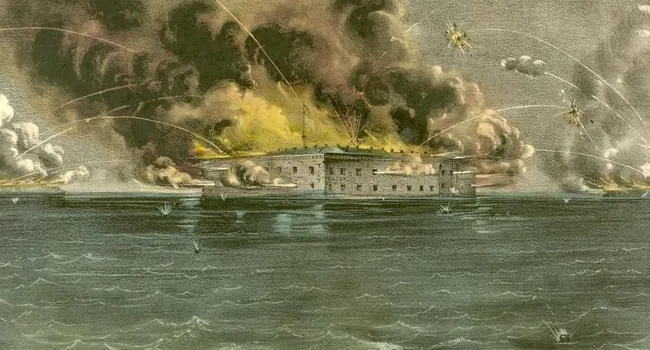
1.Give a brief overview of Fort Lamar and the Battle of Secessionville. Reference the historical background information linked in the resources tab.
2. Show the Fort Lamar documentary film (linked in the resources tab). Answer any questions students may have following the documentary.
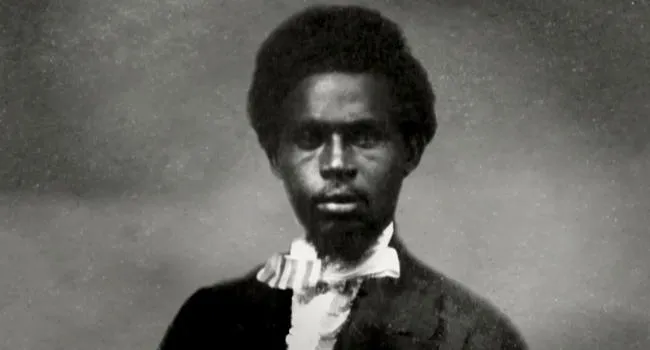
3. Focus attention on Robert Smalls. Explain that while Robert Smalls’s actions were only a small part of the Fort Lamar films, he become a very important and respected figure in the months and years following the Battle of Secessionville.
4. Give a lecture on Robert Smalls’s actions aboard the C.S.S. Planter on May 13, 1862, as well as his endeavors following his freedom.
5. Emphasize to your students that African Americans (both enslaved and free) were important actors in the Civil War, and many, like Robert Smalls, took direct actions to obtain freedom and aid the Union.
6. Discuss the changing relationship between African Americans in the South and the Union Army. Explore terms, events, and concepts such as contraband, the Port Royal Experiment, the Emancipation Proclamation, and the creation of African American regiments in the Union army, such as Shaw’s 54 th Massachusetts regiment.
7. Divide the class into two groups. One group will be the “actors” and the other group will be the “interpreters”. Explain that both groups will be recounting the actions of Robert Smalls. The actors will be presenting Smalls’s story as a short play/skit, while the interpreters will be creating a public monument dedicated to Smalls.
8. Distribute the same background information to both groups using the referenced material below. Other supplementary material may also be used.
9. Allow students enough time to develop their presentations. The acting group should consider what roles each student should play, as well as the structure of their skit. The interpreting group should consider the size and shape of their monument, in addition to what is displayed and what text, if any, is present. Encourage both groups to approach their subject creatively.
10. Have the groups give their presentations. Students should take note of the similarities and differences between their presentations and assigned mediums.
11. After both groups have presented, guide a class discussion. Have your students reflect on their presentations and share their thought processes. Discuss how the different mediums posed different challenges, and how the students approached the narrative differently depending on their given medium.
Teacher Notes
differentiation: Provide a graphic organizer to guide students while learning about Robert Smalls. This organizer can have sections for "Before the Raid," "The Raid on the Planter," "Life After Freedom," and "Smalls' Impact." Students can fill in these sections with key information from the lecture and discussion.
extension: Challenge students to research both positive and negative perspectives on Robert Smalls' actions. They can then hold a class debate, arguing for or against the significance of Smalls' contribution to the Civil War and the fight for freedom. This will require them to analyze primary and secondary sources, consider different viewpoints, and construct persuasive arguments.
Historical Background Information
Reference during the whole group discussion part of the lesson.
View ResourceThe Planter at the Gate Video
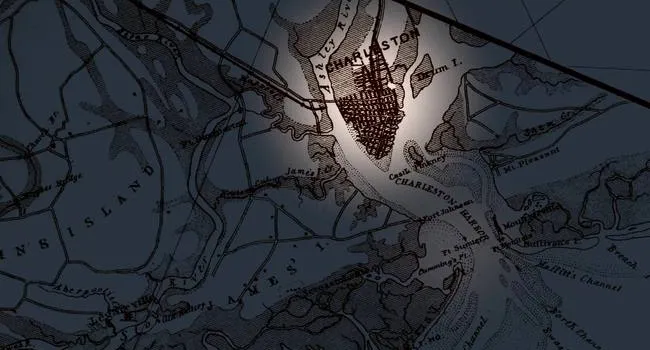
June, 1862. Capturing Charleston, the gateway to the South, would cripple the Confederacy. Impatient with their Naval blockade of the Holy City, the Union Army decided to go for the back door. One man, Thomas Gresham Lamar, held the keys.
View ResourceStandards
- 8.3.CO Compare the debates between South Carolina and the federal government regarding slavery, federalism, and the Constitution.
- This indicator was developed to encourage inquiry into the debates, heightened by Westward Expansion, over federal and state power concerning slavery, and the government's role in protecting and securing natural rights.
- 8.3.CE Examine consequences of the major Civil War military strategies.
- This indicator was designed to encourage inquiry into the Civil War focusing on the impacts of military strategies and major turning points on South Carolina and the U.S.
- 8.3.CC Analyze debates and efforts to recognize the natural rights of marginalized groups during the period of expansion and sectionalism.
- This indicator was designed to encourage inquiry into the continuities and changes of the experiences of marginalized groups such as African Americans, Native Americans and women, as the U.S. expanded westward and grappled with the development of new states.
- 8.3.E Utilize a variety of primary and secondary sources to analyze multiple perspectives on the effects of the Civil War within South Carolina and the United States.
Assessments
Student short plays/skits can be used to assess student learning outcomes.