Archaeo-Tech: Exploring the Lime Cycle with Tabby Architecture
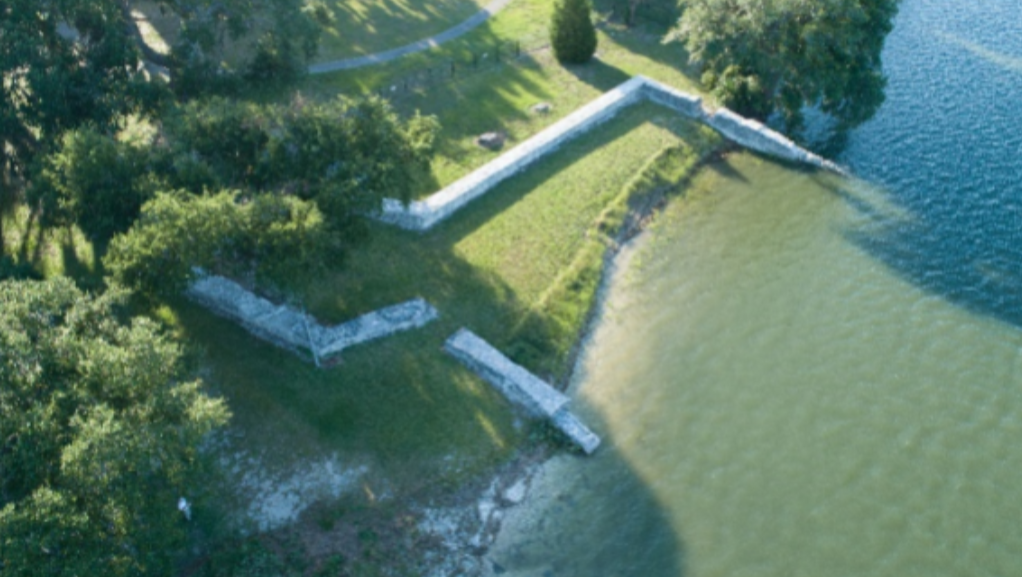
This lesson uses tabby, a historical building material local to coastal South Carolina, Georgia, and Florida, to explore chemical reactions, changes in the state of matter during chemical reactions, and the conservation of matter. Students will learn about the history of tabby architecture and the importance of the lime cycle in making tabby. Using their understanding of the lime cycle, students will complete a brief experiment using limewater and then relate their findings to tabby architecture. Further discussion will connect historical building materials, like tabby, to modern building materials, such as concrete, and the importance of sustainability in modern construction.
Lesson Created By: MegGaillard
Lesson Partners: South Carolina Department of Natural Resources
Essential Question
How did the chemistry of materials like historical tabby and modern concrete shape the history of coastal architecture, and what lessons do these materials hold for sustainable building today?
Grade(s):
- 7
- 9
- 10
- 11
- 12
Subject(s):
Recommended Technology:
Other Instructional Materials or Notes:
· Activity handout (1 for each student)
· Solid Calcium hydroxide (Ca(OH)2) (5 grams or more as needed)
· Dry ice
· Distilled water (2 L or more as needed)
· Beakers (500 mL) (1 for each group)
· Straws (multiple for each group)
· pH test strips (multiple for each group)
· Goggles (1 for each student)
· Heavy gloves (1 for each student)
· Aprons (1 for each student)
Lesson Progression
1. Before beginning the lesson plan, prepare the limewater solution. Print the activity handout.
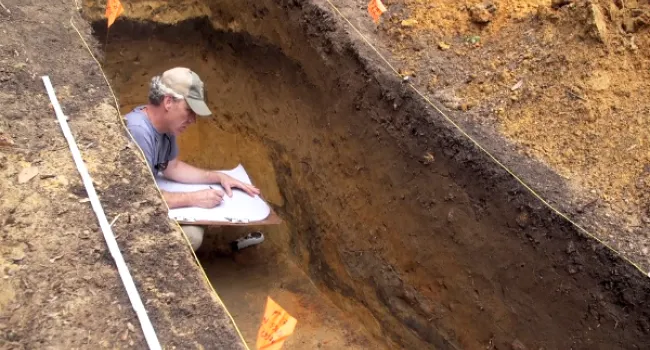
2. Video: Show your students the short video “Fort Frederick Tabby Restoration” linked in the resources tab.
3. Lecture: Using what your students learned in the “Fort Frederick Tabby Restoration” video and the information in the background section of this lesson plan, give a brief presentation on tabby architecture, the tabby-making process, and the lime cycle. These topics can be connected to a wider discussion on acids and bases, chemical reactions, and the conservation of matter during chemical reactions.
4. Activity: Divide your class into small groups containing three to four students each and distribute the activity materials.
5. Have your students follow the lab procedures on the activity handout sheet. Assist students in the lab when necessary, such as when adding dry ice to the limewater solution.
a. During the activity, students should record their observations in their lab notebooks.
b. When students have finished the activity, collect their lab materials for proper storage and/or disposal.
6. After completing the activity, have your students answer the discussion questions on the activity handout.
a. Assist students in answering the discussion questions, particularly the questions related to chemical reactions and equations.
7. Discussion: Once everyone has completed the activity and answered the discussion questions, as a class, discuss the activity, their results, and their answers to the questions. Relate the activity to the lime cycle and other chemistry principles. Connect the activity to larger environmental issues, such as excess production of carbon dioxide and ocean acidification.
Teacher Notes
differentiate: Historical Focus - Limit the background lecture content for these students primarily to the historical application of tabby architecture (who used it, where it was used, why it was important) and a high-level overview of the concept of the lime cycle.
extend: Environmental Extension - Require students to research the current environmental impact of modern concrete production and propose three specific, sustainable alternatives or improvements to the process, linking back to the historical materials.
Limewater Experiment Activity & Answer Key
Print one copy for each student. Answer key is included in this document.
View ResourceBackground Information and Vocabulary
Reference for the whole group portion of the lesson.
View ResourceFort Frederick Tabby Restoration Video
View ResourceAssessments
Use the performance task linked in the resources tab to assess student learning outcomes.