Brown v. School District No.20

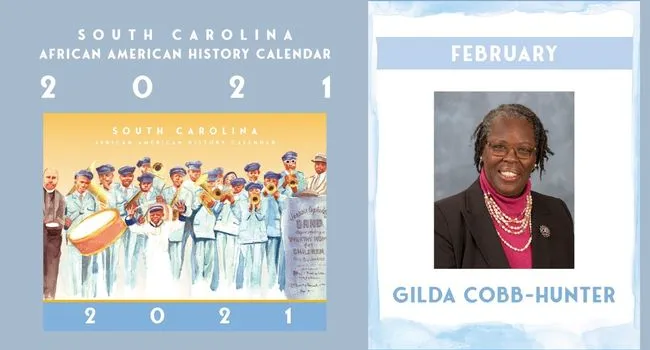
The month of February in the South Carolina African American History Calendar features the case of Brown v. School District No. 20, Charleston, SC. This lesson explores the issues of the case, the significance of the court’s decision, as well as the role of the plaintiffs in bringing about social change.
Essential Question
What was the historical significance of the case, Brown v. School District No.20, Charleston, SC, and how did the children bring about social change?
Grade(s):
- 8
Subject(s):
Recommended Technology:
- Computers/tablets with internet access
Other Instructional Materials or Notes:
Lesson Progression
Introduction
As students enter the classroom, have them complete the SEE, FEEL, THINK, WONDER chart about their first day at a new school.
- SEE: What did you see? What observations did you make on your first day?
- FEEL: What feelings did you have about your transition, the school, people, and environment on your first day?
- THINK: What did you think? What were your thoughts about what would happen that day or that year?
- WONDER: What did it make you wonder? What questions did you have about that day or what was to come for the year?
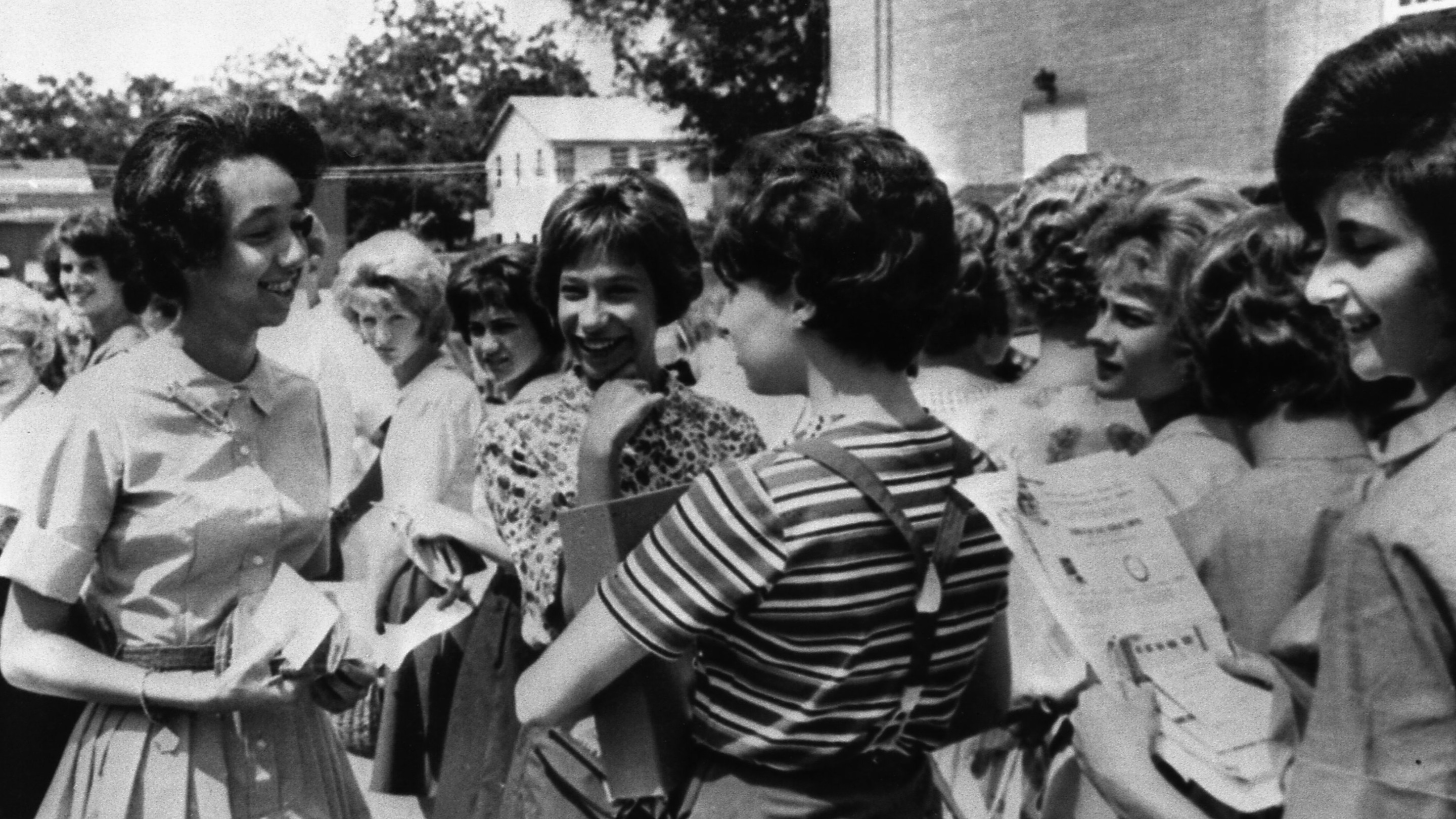
Allow students to share their experiences. After sharing, post a picture of Millicent Brown’s first day of school. Have students take a moment to complete the SEE, FEEL, THINK, WONDER chart for the image.
- SEE: What do you see in the image? What observations can you make about Millicent Brown and her first day?
- FEEL: What feelings emerge as you look at the image? How do you think Millicent Brown felt?
- THINK:What does the image make you think about?
- WONDER: What do you wonder about this image? What questions do you have?
When finished, use one of the following sites to have students create a live word cloud of the first words that came to their mind.
Discuss the results of the world cloud.
Introduce the woman in the photograph as Millicent Brown on her first day at a new school, one of thirteen students to desegregate Charleston County Schools. Explain that she was the lead plaintiff in the case of Brown v. School District No. 20, Charleston, SC and that today they will learn more about her case and the role she and others played in bringing about social change.
Brown v. School District No. 20, Charleston, SC
Provide a link or distribute copies of the February Honoree of the 2024 South Carolina African American History Calendar. Have students read along as you play the video issued by the SC Department of Education then have them discuss and answer the following questions with a partner.
- What was the issue of the case?
- Who was involved?
- What was the court's decision?
- Why is this case significant?
- Whose perspective is missing?
Have pairs share the information they learned from the calendar entry.
Share with students that the surviving plaintiffs of the court case Brown v. School District No. 20 were dissatisfied with February’s feature in the 2024 South Carolina African American History Calendar, as it failed to represent the struggle and costs of their experiences and overlooked the work that still needs to be done, along with the benefits gained. The teacher may refer to the article or have students read the article on their own. Ask students if they agree with the sentiments of the plaintiffs of the case and discuss why or why not.
Research
Students will conduct research on the case of Brown v. School District No.20, Charleston, SC and its plaintiffs.
Students should conduct research on the case by reading the case summary of Brown v. School District No.20, Charleston, SC and complete the graphic organizer with the following information:
- Background & Facts: What events led to the court proceedings?
- Issue: What questions are being asked in the case?
- Plaintiff's Argument: What is the plaintiff's response to the questions of the case?
- Defendant's Argument: What is the defense's response to the questions of the case?
- Court's Decision: What was the court's final ruling? How does the court decide?
Students should conduct research on the plaintiffs and their experiences. Interviews were found on three of the five surviving plaintiffs. Have students complete the graphic organizer with the following information:
- A description of each plaintiff's first day a new school.
- A description of their relationship with other students.
- A description of their interactions with teachers
- How did their experiences bring about social change?
Students should determine whether the effort to desegregate schools in Charleston County and other districts throughout South Carolina proved successful. Students may research integration over time at their current school, surrounding schools, within their district, and/or neighboring districts. Have students consider the following questions:
- How integrated are we today?
- Do. you believe your school is racially integrated or segregated?
- When was the first attempt to desegregate your school or district?
- How has the student population changed over time?
- Is there an advantage of being racially integrated? Explain
Conclusion
Once students have finished their research, students may compile their findings in a presentation. They should use the calendar template to write an encompassing account about Brown v. School District No. 20, Charleston SC that would honor the plaintiffs involved.
Oveta Glover | Civil Rights in S.C.
Civil Rights Youth Media Summit: Oveta Glover Interviewed by Cassie Nelson (Scott's Branch High School) and Tyesha Elder (A.C. Flora High School)
View AssetMillicent Brown's First Day of School
Image of Millicent Brown at Rivers High School on September 3, 1963
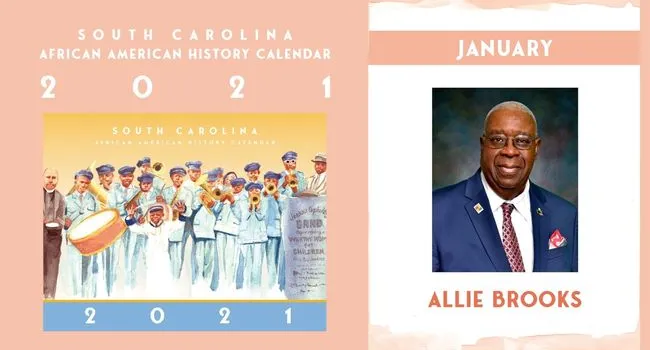
View ResourceSouth Carolina AFRICAN AMERICAN HISTORY CALENDAR
View ResourceBrown v. District 20 Charleston - 2024 South Carolina African American History Calendar Honoree
Video of February Honoree
View ResourceThe Post and Courier Article - Dec. 27, 2023
On 60th anniversary of Charleston school integration, 5 trailblazers recall challenges
View ResourceCharleston Desegregation- Oveta Glover
View ResourceMillicent's Story
View ResourceDr. Millicent Brown Speaks about Desegregating Schools in Charleston
View ResourceDr. Millicent Brown interview- Quintin's Close-Ups
View ResourceMillicent Brown Interview on Brown v. Board of Education
View ResourceSomebody had to Do It- Millicent Brown
View ResourceNews 2 Millicent Brown Interview
View ResourceOveta Glover Interview
View ResourceOveta Glover Black History Interview
View ResourceOveta Glover shares her experience during desegregation
View ResourceEmily Newman and Millicent Brown Interview
View ResourceMAEDE AND MILLICENT BROWN Interview
View ResourceStandards
- 8.5.CX Analyze the correlation between the Modern Civil Rights Movement in South Carolina and the U.S.
- This indicator was designed to foster inquiry into the role of South Carolina in the Modern Civil Rights Movement, to include the influence of court cases such as Briggs v. Elliot and Flemming v. South Carolina Electric and Gas. This indicator was also developed to promote inquiry into the relationship between national leadership, protests, and events and South Carolina leadership, protests and events, such as the Friendship Nine and the Orangeburg Massacre.
- 8.5.CC Analyze the continuities and changes in South Carolina's identity resulting from the civic participation of different individuals and groups of South Carolinians.
- This indicator was developed to encourage inquiry into civic engagement, such as military service, public demonstrations, and political activism, to shape the identity of modern South Carolina. This indicator was also written to encourage inquiry into South Carolinians' use of the court system and legislation to affect South Carolina's post World War II identity.
- 8.5.P Analyze the transformation of South Carolina’s economy from the Great Depression to its current economic diversification.
- USHC.5.CC Evaluate continuities and changes during the Civil Rights Movement and other subsequent movements for equal rights.
- This indicator was developed to promote inquiry into thematic continuities and changes into how marginalized groups sought and won legal rights. Inquiry into the leadership, methods, and outcomes of modern equal rights movements are supported by this indicator.