Civil Rights Spotlight: Mac Arthur Goodwin and The Fight for Civil Rights Through Music

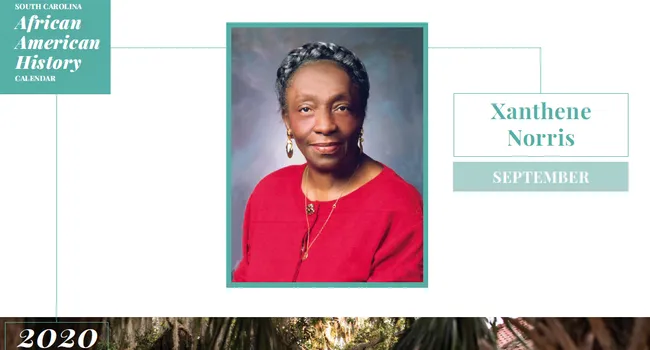
In recognition of September's Honoree for the 2024 South Carolina African American History Calendar, Mac Arthur Goodwin, students will discover the contributions and impact he made to the Civil Rights Movement through music.
Essential Question
What impact did music have on the Civil Rights Movement?
Grade(s):
- 5
- 8
- 11
Subject(s):
Recommended Technology:
Laptop/Chromebook
Other Instructional Materials or Notes:
Lyrics to past and present protest songs
Lesson Progression
Introduction
Have the following prompt posted as students are entering the classroom:
- What is the purpose of music?
- Why do you listen to it and how does it make you feel?
Once all students are seated and have responded to the prompt, have students share their thoughts and responses aloud with the class. Once done sharing, the teacher should explain that today's activity is inspired by the September Honoree of the South Carolina African American History Calendar, Mac Arthur Goodwin, an Arts Educator and Civil Rights leader from South Carolina.
Spotlight Graphic Organizer (Optional)
To lean more about Mac Arthur Goodwin, have students watch the September Honoree of the South Carolina African American History Calendar video highlighting his background and accomplishments. As students watch, have them complete the Spotlight Graphic Organizer.
Students will record the following information in their graphic organizer:
- Background: Where is Mac Arthur Goodwin from? What events led him to pursue a career in the Arts?
- Education: Where did Mr. Goodwin attend school? Which degree(s) did he receive?
- Accomplishments: What honors and accomplishments did Mr. Goodwin achieve?
- Impact: What impact did Mac Arthur Goodwin have in his community as a Civil Rights leader?
Students may research additional information if they are not able to answer questions from the video or calendar excerpt.
The Fight for Civil Rights Through Music
The teacher should choose a protest song that students may be familiar with and post a significant verse with the following questions:
- What issues or changes are being addressed?
- What message is the artist sending?
Students can complete a Think, Pair, Share with a partner and share their responses aloud with the class.
Explain to students that music is a medium through which people and/or individuals express themselves. Mac Arthur Goodwin made it his life's work to help others express themselves through art, including music. By establishing the Arts in the Basic Curriculum (ABC) Project, Mr. Goodwin provided an outlet for people to do that. Today, we will listen to music from the ABC Project, renditions of protest songs in the fight for Civil Rights.
Divide students into five groups. Distribute the following song lyrics, one to each group:
- We Shall Overcome
- The Welcome Table
- Buses are Coming
- We Shall Not Be Moved
- Keep your Eyes on the Prize
Have students watch and listen to "From Africa to the White House, Episode 3" paying special attention to their assigned song, following along with the lyrics.
When finished, students should complete the song analysis for their assigned song independently or with their group.
Students will be answering the following questions in their analysis:
- What is the overall mood of the song?
- How does the song make you feel? Why do you think the song makes you feel that way? (Is it the artist, lyrics , sound, etc?)
- What emotions or thoughts does it arouse? Why might the song bring up those emotions and thoughts?
- Why was the song important to the Civil Rights Movement?
- How does the song compare to the other four songs listened to?
- Is the song still relevant today? Explain your answer.
Conclusion
After all groups have completed the song analysis, have each group report to the class how their assigned song shaped their understanding of the Civil Rights Movement.
Extension Activity
If time permits, allow students to research a current issue and create a protest song of their own.
From Africa to The White House: Civil Rights and Desegregation | ABC Lessons | Arts Grow SC Resources
From Africa to the White House is a 3 part series that traces the journey of enslaved Africans from the regions of West Africa to America. It covers slavery, reconstruction and the Civil Rights Bill...
View AssetCivil Rights Spotlight: Leola Clement Robinson
In recognition of June's Honoree for the 2024 South Carolina African American History Calendar, Leola Clement Robinson, students will discover the contributions and impact she made to the Cvil Rights...
View LessonCivil Rights Spotlight: Dr. Lonnie Randolph
In recognition of July's Honoree for the 2024 South Carolina African American History Calendar,Dr. Lonnie Randolph, students will discover the contributions and impact he made to the Civil Rights...
View LessonCivil Rights Spotlight: Lt. General Arthur J. Gregg
In recognition of August's Honoree for the 2024 South Carolina African American History Calendar, Lt. General Arthur J. Gregg, students will discover the contributions and impact he made to the Civil...
View LessonMemorializing A'ja Wilson
In celebration of being chosen as the January honoree for the 2024 South Carolina African American History Calendar, this lesson explores the accomplishments and contributions of A'ja Wilson and how...
View LessonBrown v. School District No.20
The month of February in the South Carolina African American History Calendar features the case of Brown v. School District No. 20, Charleston, SC. This lesson explores the issues of the case, the...
View LessonPreserving Our History
In recognition of March's Honoree for the 2024 South Carolina African American History Calendar, Jackie J. Whitmore, students will become historians, conducting research on their family genealogy or...
View LessonJohn L. Scott and The Legislative Process
In recognition of April's Honoree for the 2024 South Carolina African American History Calendar, John L. Scott, students will explore the Legislative Process.
View LessonClifton B. Newman and Brown v. Board of Education in South Carolina
In recognition of May's Honoree for the 2024 South Carolina African American History Calendar, Clifton B. Newman, students will explore the case, Brown v. Board of Education that inspired Judge Newman...
View LessonCivil Rights Song Lyrics
View ResourceSing For Freedom: The Story of the Civil Rights Movement Through Its Songs
The story of the Civil Rights Movement through its songs. (Playlist)
View ResourceCivil Rights Spotlight Rubric
View ResourceStandards
- 5.4.CC Analyze the continuities and changes of race relations in the United States and South Carolina following the Supreme Court decisions of Briggs v. Elliott and Brown v. Board of Education.
- 8.5.CX Analyze the correlation between the Modern Civil Rights Movement in South Carolina and the U.S.
- This indicator was designed to foster inquiry into the role of South Carolina in the Modern Civil Rights Movement, to include the influence of court cases such as Briggs v. Elliot and Flemming v. South Carolina Electric and Gas. This indicator was also developed to promote inquiry into the relationship between national leadership, protests, and events and South Carolina leadership, protests and events, such as the Friendship Nine and the Orangeburg Massacre.
- USHC.5.CC Evaluate continuities and changes during the Civil Rights Movement and other subsequent movements for equal rights.
- This indicator was developed to promote inquiry into thematic continuities and changes into how marginalized groups sought and won legal rights. Inquiry into the leadership, methods, and outcomes of modern equal rights movements are supported by this indicator.