Civil Rights Spotlight: Leola Clement Robinson
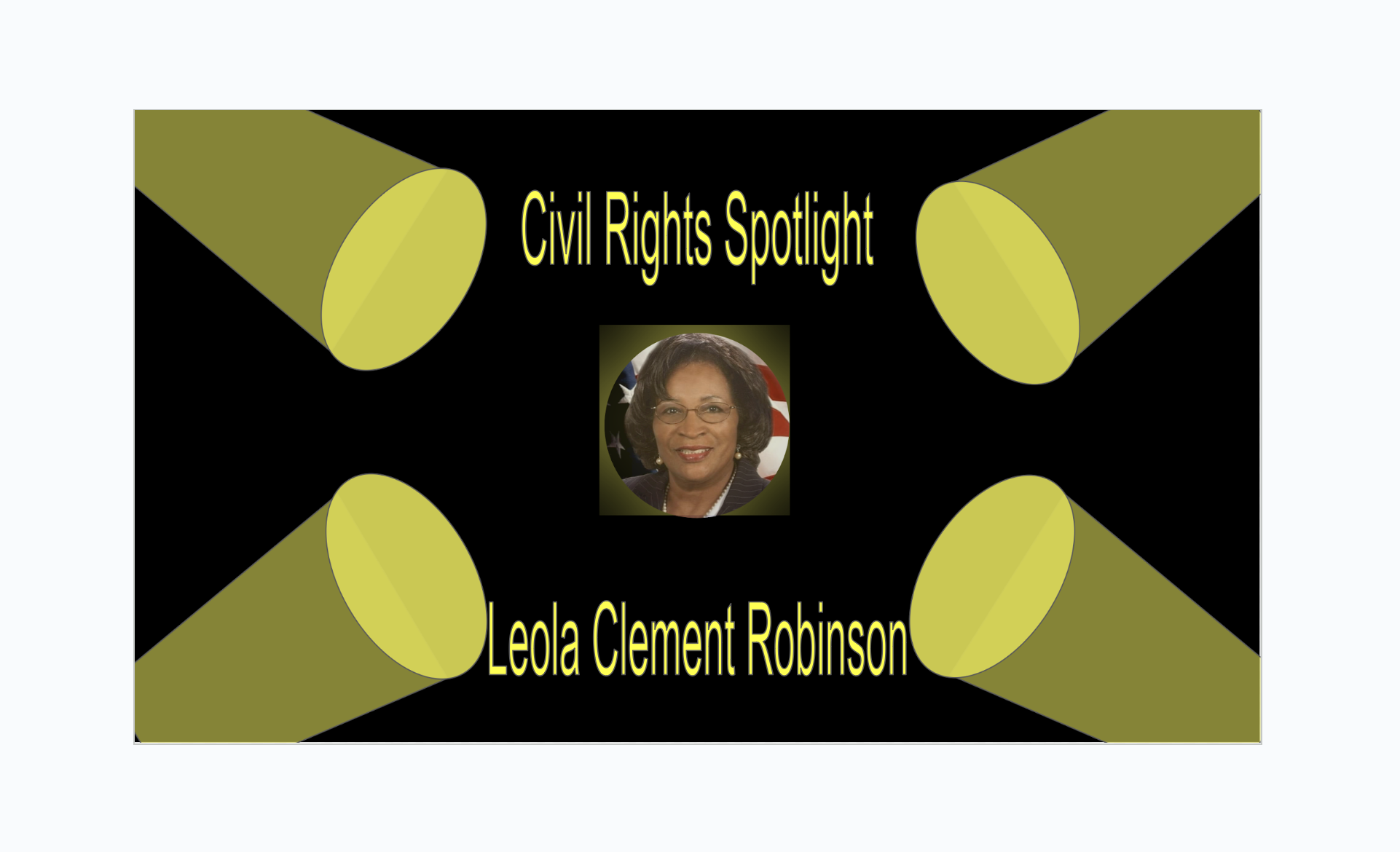
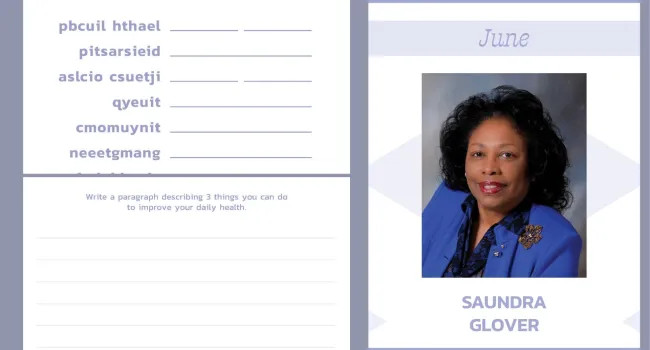
In recognition of June's Honoree for the 2024 South Carolina African American History Calendar, Leola Clement Robinson, students will discover the contributions and impact she made to the Cvil Rights Movement.
Essential Question
Who is Leola Clement Robinson? How was she involved in the Civil Rights Movement?
Grade(s):
- 5
- 8
Subject(s):
Recommended Technology:
Laptop/Chromebook
Other Instructional Materials or Notes:
Lesson Progression
Introduction
Have the following prompt posted as students enter the classroom:
- Identify at least three Civil Rights leaders and what they are known for.
Once all students are in their seats, explain to students that this activity is inspired by the June Honoree of the South Carolina African America History Calendar, Leola Clement Robinson, a Civil Rights leader in South Carolina.
Spotlight Graphic Organizer.
Have students watch the June Honoree of the South Carolina African American History Calendar video. As they watch, have students fill out the Spotlight Graphic Organizer.
Students will record information on the following topics:
- Background: Where is Leola Clement Robinson from? What was her upbringing? What events led her to pursue a career in Civil Rights?
- Education: Where did Robinson attend school? Which degree(s) did she receive?
- Accomplishments: What honors and accomplishments have come to Robinson?
- Impact: What impact has Robinson made in her community as a Civil Rights leader?
Students may research additional information if they cannot answer questions from the video or calendar excerpt.
Civil Right Leader Comparison
If time permits, the teacher can have students compare Leola Clement Robinson with one of the Civil Rights leader they chose at the start of class. Students may complete the Venn Diagram comparing Leola Clement Robinson with the Civil Rights Leader of their choice.
Conclusion
Have students share out what they learned about Leola Clement Robinson and their Civil Rights Leader of Choice and the impact they made in the Civil Rights Movement.
Memorializing A'ja Wilson
In celebration of being chosen as the January honoree for the 2024 South Carolina African American History Calendar, this lesson explores the accomplishments and contributions of A'ja Wilson and how...
View LessonBrown v. School District No.20
The month of February in the South Carolina African American History Calendar features the case of Brown v. School District No. 20, Charleston, SC. This lesson explores the issues of the case, the...
View LessonPreserving Our History
In recognition of March's Honoree for the 2024 South Carolina African American History Calendar, Jackie J. Whitmore, students will become historians, conducting research on their family genealogy or...
View LessonJohn L. Scott and The Legislative Process
In recognition of April's Honoree for the 2024 South Carolina African American History Calendar, John L. Scott, students will explore the Legislative Process.
View LessonClifton B. Newman and Brown v. Board of Education in South Carolina
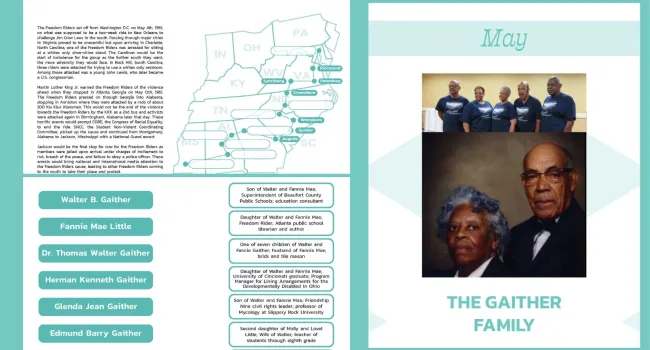
In recognition of May's Honoree for the 2024 South Carolina African American History Calendar, Clifton B. Newman, students will explore the case, Brown v. Board of Education that inspired Judge Newman...
View LessonCivil Rights Spotlight: Leola Clement Robinson (PDF)
View ResourceSouth Carolina African American History Calendar video
View ResourceSouth Carolina African America History Calendar
View ResourceStandards
- 5.4.CC Analyze the continuities and changes of race relations in the United States and South Carolina following the Supreme Court decisions of Briggs v. Elliott and Brown v. Board of Education.
- 8.5.CX Analyze the correlation between the Modern Civil Rights Movement in South Carolina and the U.S.
- This indicator was designed to foster inquiry into the role of South Carolina in the Modern Civil Rights Movement, to include the influence of court cases such as Briggs v. Elliot and Flemming v. South Carolina Electric and Gas. This indicator was also developed to promote inquiry into the relationship between national leadership, protests, and events and South Carolina leadership, protests and events, such as the Friendship Nine and the Orangeburg Massacre.