Preserving Our History

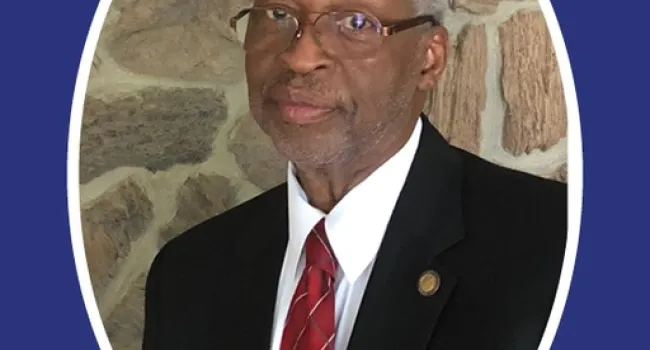
In recognition of March's Honoree for the 2024 South Carolina African American History Calendar, Jackie J. Whitmore, students will become historians, conducting research on their family genealogy or research on three different generations.
Essential Question
How can you preserve your family's history?
Grade(s):
- Kindergarten
- 2
- 8
Subject(s):
Other Instructional Materials or Notes:
Lesson Progression
Introduction
As students enter class, have the following prompts posted for their response:
- What is family?
- Who makes up your family?
Once all students are seated, you may choose to play one of the following videos to introduce today’s lesson. Please review the videos before showing in class to determine which is appropriate for your audience.
- What is family?
- Who is family? (End at 1:12)
Allow students to share their responses with the class of what and who is their family, acknowledging that not all families are the same. Tell students it is important to know who they are and how members of their family have impacted who they are today.
Jackie J. Whitmore
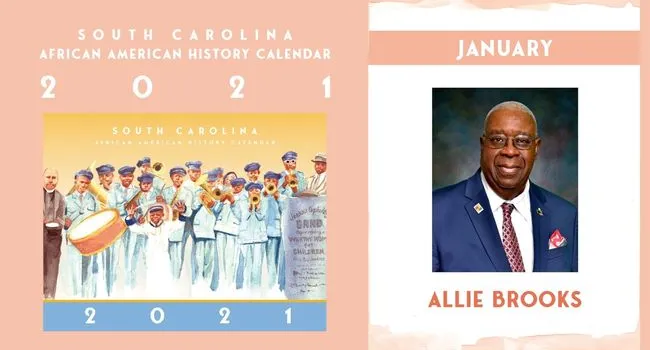
Once students are finished sharing their definition of family and who makes up their families, introduce historian Jackie J. Whitmore to the class. You can do this by having students read the February excerpt from the 2024 South Carolina African American History Calendar or have them view the video.
Share that Jackie J. Whitmore was able to research his family's background and that it led to him documenting their history and coordinating the placement of historical markers in their remembrance, preserving his and his family's history. Explain to students that they will preserve history by conducting research on their own family genealogy or different generations within their family.
Family Genealogy or Generations Project
Have students brainstorm questions that they have about their family and/or ancestors. Students may want to keep a running list of questions they may want to ask during interviews.
Family Genealogy
Personal Memories: What memories would you want to share with your future family? Write about at least three memories that you would not want to forget and willing to share with your family's future generations.
Family Tree: Create a family tree that goes back at least three generations. Fill in as many details as possible. Students may use the template provided or create a version of their own.
Interviews: Choose at least three individuals from your family tree to interview using the guide provided.
Family Artifacts: Gather as many artifacts, past and present, as you can (at least 5). These can be photographs, family documents, or items that can be scanned digitally. Record each artifact on the template provided.
Research: With the information gathered from your family tree and interviews, conduct research on your family to see if you can discover new information and/or documents relating to your ancestors.
Generations
Research: Students should choose three different generations to research. One of the generations must be their own and the other two generations should be one of close friends or family. Students will need to identify the defining characteristics of each generation.
Interviews: Using the guide provided, the student will interview one person from each generation chosen. They must be a close friend or family member.
Artifacts: Gather at least three (3) artifacts significant from each of the three generations chosen. Photograph or scan each item and complete the template provided.
Memories: Document memories and/or advice from each generation that your interviewees would like to share with future generations.
Letter to Future Generations: Write a letter to future generations sharing a life lesson or explaining something they should know about life.
Conclusion
Share your story: Students should present their project to the class. They may share their story, their research, and their personal reflections in a format of their choosing. Examples may include one or a combination of the following: slideshow presentation, portfolio, recorded video, website, display board, etc.
Teacher Notes
* For younger students, consider having students complete the assignment as a group. The teacher may assign a specific person or name for students to research and divide the work.
Remediation: Instead of allowing students to research their own family and friends, assign students to a person by name whose history is well known. The teacher may also decrease the number of people interviewed, artifacts, or memories required.
Enrichment: Have students choose a historical place, significant event, or a significant person from their research that they believe is deserving of a historical marker. Students should write a 1-2 paragraph summary detailing the history of their subject. The summary should consist of key details including important events, historical significance, and important changes over time.
Genealogy Resources- Richland County Library
Genealogy resources from the Richland County Library
View ResourceSC African American History Calendar
View ResourceJackie J. Whitmore Video
View ResourceNational Genealogical Society
National Genealogical Society's Free Genealogy Resources
View ResourceSouth Carolina State Library
Recommended SC Libraries and Archives from the South Carolina State Library
View ResourceAncestry Classroom
Teachers, school administrators, and district officials can apply to receive free access to Ancestry Classroom, Fold3, Newspapers.com Basic, and global content on Ancestry at no cost.
View ResourceStandards
- 2.H.3 Analyze patterns of continuities and changes within U.S. history through the use of a variety of sources, including graphic organizers, maps, oral histories, photographs/images, texts, and timelines.
- This indicator was developed to promote inquiry into changes that occur over various periods of time and recognize patterns in history. The indicator was also developed to encourage the exposure to resources, such as charts, graphs, timelines, and tables.
- 8.5.E Utilize a variety of primary and secondary sources to analyze multiple perspectives on the cultural changes in South Carolina and the U.S.
- ELA.R.1 Use critical thinking skills to investigate, evaluate, and synthesize a variety of sources to obtain and refine knowledge.
- ELA.R.1 Use critical thinking skills to investigate, evaluate, and synthesize a variety of sources to obtain and refine knowledge.
- ELA.8.R.1.1 Conduct short and more sustained research by:a. generating and answering a research question(s) about a topic; and b. using a variety of print and multimedia sources to refine the scope of inquiry as relevant to the topic and purpose
- ELA.8.R.1.3 Analyze findings to determine relevance to the topic
- ELA.8.R.1.4 Logically organize findings as relevant to the purpose
- ELA.C.3 narratives to develop real or imagined experiences using effective techniques