Clifton B. Newman and Brown v. Board of Education in South Carolina
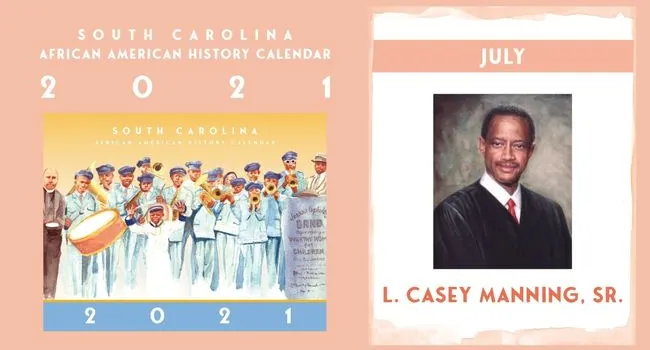
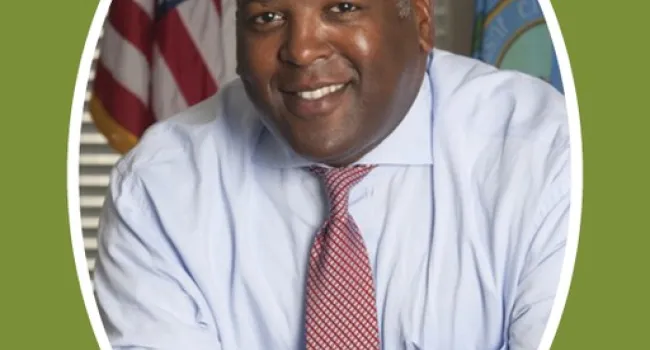
In recognition of May's Honoree for the 2024 South Carolina African American History Calendar, Clifton B. Newman, students will explore the case, Brown v. Board of Education that inspired Judge Newman to pursue a career in law.
Grade(s):
- 5
- 8
- 11
Subject(s):
Recommended Technology:
Laptop/Chromebook
Other Instructional Materials or Notes:
Lesson Progression
Introduction
As students enter class, have the following prompt posted for their response and/or distribute the student handout:
- What does it mean to have "equal protection of the law?"
- Do you believe you have equal protection of the law? Explain why or why not?
Once all students are in their seats, explain to students that today's lesson is inspired by the May Honoree of the South Carolina African American History Calendar, Clifton B. Newman, a retired South Carolina Circuit Court Judge who worked to provide justice to those he served.
Have students watch the May Honoree of the South Carolina African American History Calendar video.
Inform students that Judge Newman was inspired to become a judge after being cast in a reenactment of the 1954 Brown v. Board of Education Supreme Court Decision. May (17th) marks the 70th Anniversary of the Brown v. Board of Education Supreme Court decision that racial segregation by law was illegal. Today, they will explore the case.
The 14th Amendment
Review the introduction prompt with students.
Allow students to respond to the first prompt using an interactive word cloud (linked in resources) to create a working definition of "equal protection of the law."
Accept volunteers or randomly select students to share examples of how they (or people they know) have had/have not had equal protection of the law.
Say: "Throughout the history of the United States there has been groups of people that have not had equal protection of the law. Give me examples of groups that have not had equal protection of the laws in the United States."
All for students to answer, confirm or correct their responses.
Say: Today we will learn how families challenged the extent of equal protection of the laws in public education. The Brown v. Board Case sought to answer the question of whether or not segregation, based on race, in public education violated the "Equal Protection Clause" of the Fourteenth Amendment.
Brown v. Board of Education in South Carolina
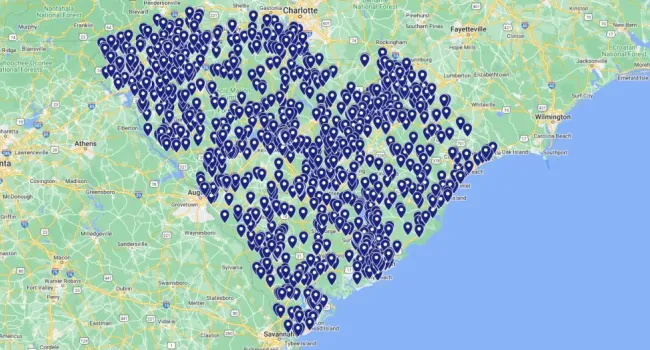
Explain to students that Brown v. Board of Education consisted of five different cases, the first case, Briggs v. Elliot brought about by citizens in Clarendon County of Summerton, South Carolina. (I would recommend showing a map of where Summerton is located to show their proximity of the case.)
Students are to read the petition to the Clarendon County School Board that led to the Briggs v. Elliot case. As they read, students will determine if claims made by petitioners violated the 14th amendment under the equal protection of the law clause by continuing the student handout. This can be done independently, in pairs, or in small groups.
Conclusion
Discuss the petition and student findings as a class. When finished, ask students to respond to the following on the student handout:
- Do you believe that the African American students of School District No. 22 of Clarendon County, South Carolina were denied equal protection of the law? Provide an explanation with evidence.
Allow students to share their responses aloud.
End the lesson by informing students that the court and school district denied the Briggs petition, ultimately leading them to appeal to the Supreme Court and become apart of the Brown v. Board of Education lawsuit that outlawed segregation in public schools.
Student Handout- Clifton B. Newman and Brown v. Board of Education in SC (KIA)
View ResourceSC AFRICAN AMERICAN HISTORY CALENDAR
View ResourceCLIFTON B. NEWMAN SOUTH CAROLINA AFRICAN AMERICAN HISTORY CALENDAR VIDEO
View ResourceBriggs v. Elliot Petition
View ResourceStudent Handout- Clifton B. Newman and Brown v. Board of Education in SC (KIA)
Google Doc
View ResourceStandards
- 5.4.CC Analyze the continuities and changes of race relations in the United States and South Carolina following the Supreme Court decisions of Briggs v. Elliott and Brown v. Board of Education.
- 8.5.CX Analyze the correlation between the Modern Civil Rights Movement in South Carolina and the U.S.
- This indicator was designed to foster inquiry into the role of South Carolina in the Modern Civil Rights Movement, to include the influence of court cases such as Briggs v. Elliot and Flemming v. South Carolina Electric and Gas. This indicator was also developed to promote inquiry into the relationship between national leadership, protests, and events and South Carolina leadership, protests and events, such as the Friendship Nine and the Orangeburg Massacre.
- USHC.5.CC Evaluate continuities and changes during the Civil Rights Movement and other subsequent movements for equal rights.
- This indicator was developed to promote inquiry into thematic continuities and changes into how marginalized groups sought and won legal rights. Inquiry into the leadership, methods, and outcomes of modern equal rights movements are supported by this indicator.
Assessments
Students can be assessed on their participation in the class discussions and their responses on the student handout.