What is a Bill?

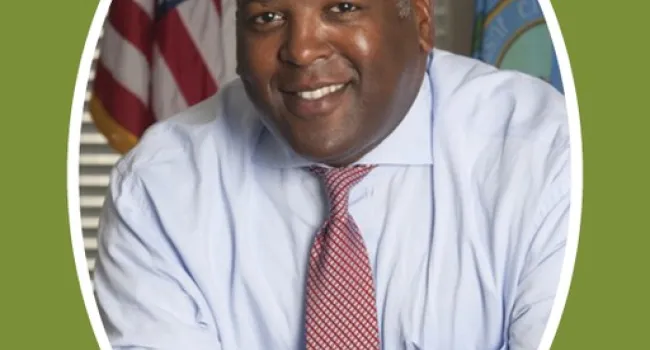
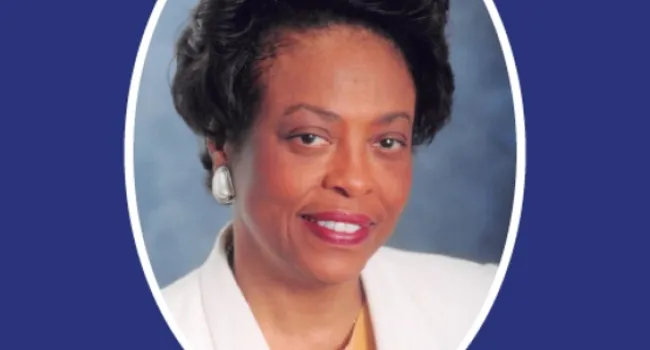
This lesson celebrates the accomplishments and contributions of April's 2024 nominee of the SC African American Calendar, John L. Scott, Jr. Students will also learn how a bill becomes a law.
Essential Question
How does a bill become a law?
Grade(s):
- Kindergarten
- 1
- 2
Subject(s):
Recommended Technology:
Laptop, Computer, or iPad
Other Instructional Materials or Notes:
Chart Paper, Notebooks, Pencils, Markers, Picture books on government, laws, legislation, etc.
Lesson Progression
1. To help students become more familiar with government and the law making process, the teacher will introduce terms such as "representative", "president", "legislators", "bill", and "law."
2. Discuss the role of a state representative including their role in ensuring bills are introduced and become laws. Challenge students to identify other state representatives as well as any information they know about him/her.
3. Introduce and share photo(s) of John L. Scott, Jr, highlighting his job as a state representative as well as his accomplishments/contributions during his time in office. Inform students that he was also honored in the 2024 SC African American History calendar for his accomplishments and contributions. Share video with students.
4. Following the video, discuss what was learned about John L. Scott, Jr. Take time to talk about the significance of his work and his drive to help others. Discuss the impact of his work on the community.
5.. Revisit the job responsibilities of a state representative discussed earlier. Inform students that one of John Scott's responsibilities was to propose new bills that he believed would be beneficial for all citizens.
6. Pose this question to students: If given the opportunity to write a bill that might eventually become a law, what would you choose? Who would this bill help? Would it hurt anyone? Do you think it is an example of a good bill? Why or why not? Tell students they will have an opportunity to write a "bill" of their own.
7. Challenge students to think about a change they would like see at school or a concern they believe needs to be addressed.
8. Divide the class into small groups or partners. Allow ample time for them to discuss a possible "bill" they would like to write. This could be for the school or for the community.
9. Encourage them to consider the following as they are discussing their "bill": Is this a good bill? Who would this "bill" help? What would happen if this became a new "law" (rule)? Remind students that should include all the possible reasons why introducing this "bill" would be a good idea including how it would better the school or community.
10. Once groups have had time to discuss and create their "bill", groups will chose 1 or 2 "representatives" to share the proposed bill with the class. Following the presentation, other members of the class will have an opportunity to ask question or seek more information for clarity.
11. Remind students that these are the type of discussions that members of Congress and other state legislators have when going through the steps of introducing bills or signing a bill into a law.
Teacher Notes
Students may choose to complete this task individually rather than in a small group or with partners.
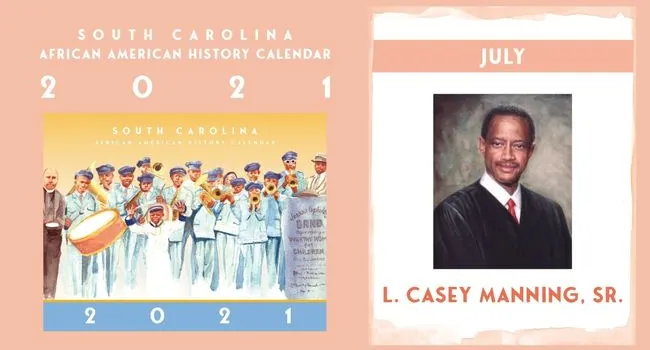
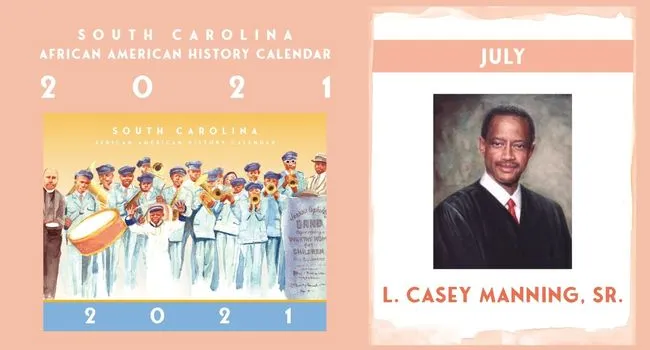
2024 SC African American History Calendar
View ResourceRemembering John L. Scott, Jr.
Celebrate the life, legacy, and contributions of John L. Scott, Jr.
View ResourceHow does a bill become a law?
This video briefly outlines the process that happens for a bill to become a law.
View ResourceStandards
- K.4 Utilize the college and career skills of a political scientist to understand and display civic dispositions in one’s personal community.
- ELA.C.4 Demonstrate command of standard English grammar and conventions when writing.
- 1.CG.2 Describe the basic purpose, structure, and functions of South Carolina’s government at both the local and state level.
- 1.4 Utilize the college and career skills of a political scientist to understand and display civic dispositions about contemporary South Carolina.
- ELA.C.2 Write informative/expository texts to analyze and explain complex ideas and information.
- 2.CG.2 Use primary and secondary sources to research a national figure who demonstrated civic dispositions.
- 2.CG.4 Use evidence to propose and communicate a resolution to a national issue.
- ELA.C.2 Write informative/expository texts to analyze and explain complex ideas and information.
Assessments
Students will be assessed on the completion of their "fake" bill. Students will be given an opportunity to present their bill to the class. Students can choose to complete their "bill" in a small group or individually. Students may also choose to present their information electronically.