Portion Sizes

At the end of this lesson, students will be able to:

1. Define the following vocabulary words portion size

2. Recognize proper portion sizes.

3. Utilize math skills to calculate proper portion sizes.

Duration
Less than 1 hour
Lesson Type
Traditional Lesson

Lesson Partners: Knowitall.org

Collections

Essential Question

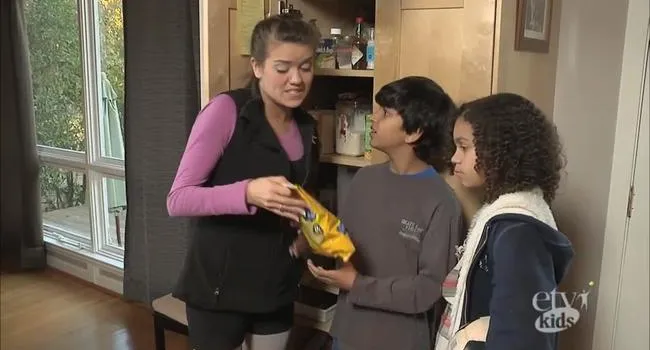
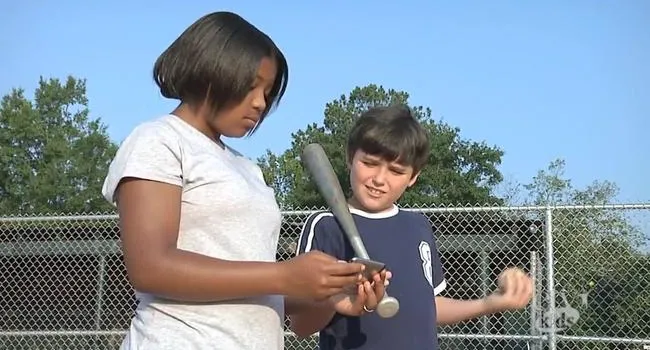
How about you guys? Do you make healthy choices when it comes to portion sizes? Do you know how much you’re supposed to eat from all the food groups? What’s something similar in size to a baseball that you can use to compare portion sizes?

Grade(s):

  • 1
  • 2
  • 3
  • 4
  • 5

Other Instructional Materials or Notes:

1. Serving Sizes are in your Hand

2. Serving Match-up

3. Serving Match-up PowerPoint

4. What’s in a Serving Size?

5. Changing Your Plate

Lesson Progression

Primary Message: To demonstrate the appropriate portion size for each of the main food groups.

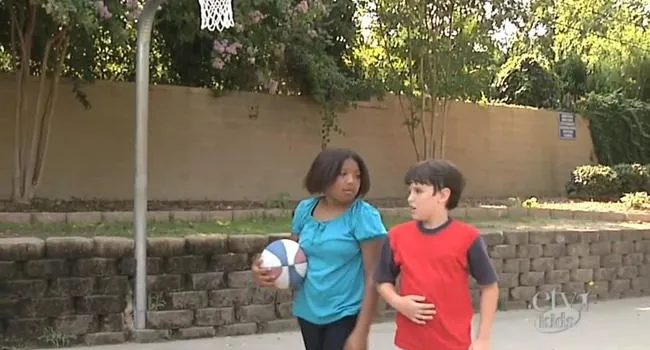
Secondary Message: Playing baseball is a great way to get 60 minutes of physical activity.


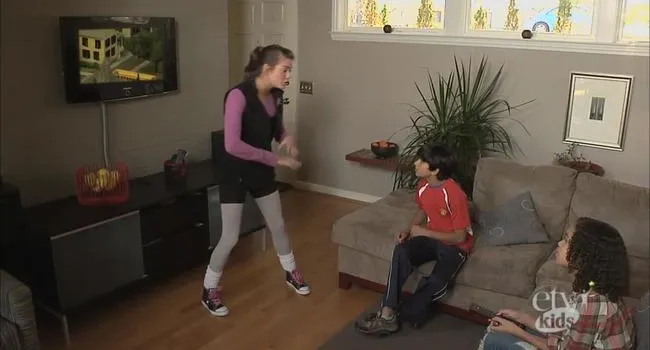
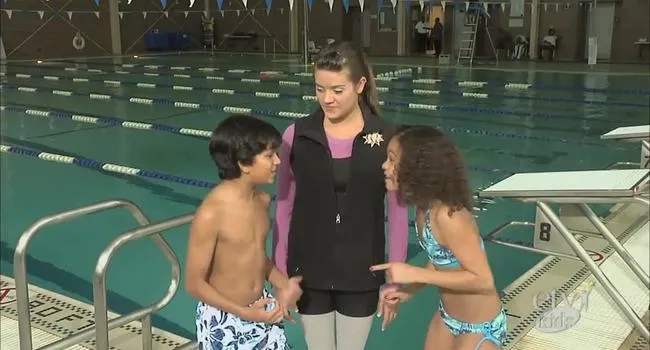
After watching Healthy Hannah’s Healthy Choice Heroes repeat the question asked by Healthy Hannah: How about you guys? Do you make healthy choices when it comes to portion sizes? Do you know how much you’re supposed to eat from all the food groups? What’s something similar in size to a baseball that you can use to compare portion sizes?


Objective 1: Vocabulary Words

Portion size


Objective 2: Recognize proper portion sizes.

Activity: Serving Match-up. Go over the Serving Sizes are in your Hand handout with the students. Complete the Serving Match-up activity. For more examples, see the What’s in a Serving Size? Information sheet.

Materials Needed:

  • Serving Sizes are in your Hand (one for each student)
  • Serving Match-up
  • Serving Match-up PowerPoint
  • What’s in a Serving Size?


Objective 3: Utilize math skills to calculate proper portion sizes.

Activity: Changing Your Plate. Have the students complete the Changing Your Plate worksheet.

Materials Needed:

  • Changing Your Plate

Resources:

1. Serving Sizes are in your Hand

2. Serving Match-up

3. Serving Match-up PowerPoint

4. What’s in a Serving Size?

5. Changing Your Plate

Serving Sizes are in your Hand

View Resource

Serving Match-up

View Resource

Serving Match-up PowerPoint

View Resource

What’s in a Serving Size?

View Resource

Changing Your Plate
View Resource

More in this Series

Healthy Hannah's Healthy Choice Heroes

A Trip to the Dentist

Lesson

Grades

  • Kindergarten
  • 2
  • 4
  • 5
A Trip to the Dentist

Students can define cavity, healthy food, and snacks. They will describe the relationship between excessive sugar consumption and obesity, diabetes and tooth decay. They also will demonstrate good...

Aerobic Activity

Lesson

Grades

  • Kindergarten
  • 1
  • 4
Aerobic Activity

Students will define aerobic and anaerobic exercise/activity. They will keep a week-long exercise journal demonstrating these exercises. They will differentiate between them and have the ability to...

Beans are Protein

Lesson

Grades

  • 1
  • 2
  • 3
Beans are Protein

Students will define bean, protein and meat alternatives. They will identify different types of beans.

Bike for Your Life

Lesson

Grades

  • Kindergarten
  • 1
  • 2
  • 5
Bike for Your Life

Students will define physical activity and health-related fitness. They will identify fun sources of physical activity through a charades game. They will learn the relationship between physical...

Change Your Oil

Lesson

Grades

  • 1
  • 2
Change Your Oil

Students will define saturated fat, unsaturated fat, polyunsaturated fat, monounsaturated fat, and trans fat. They will understand the differences between the types of fat and learn to make healthy...

Choose My Plate

Lesson

Grades

  • 1
  • 2
  • 3
  • 4
  • 5
Choose My Plate

At the end of this lesson, students will be able to: 1. Define the following vocabulary words 2. Identify reliable nutrition and physical activity educational resources. 3. Identify the different food...

Fun with Fruits

Lesson

Grades

  • Kindergarten
  • 1
  • 2
  • 3
Fun with Fruits

Students can define: nutritious, energy, fruit, and healthy foods and snacks. Students will identify the fruit portion of MyPlate and identify the health benefits of eating a variety of fruits.

Go Lean With Protein

Lesson

Grades

  • 1
  • 2
  • 3
Go Lean With Protein

At the end of this lesson, students will be able to: 1. Define the following vocabulary words protein, amino acids, essential amino acids, complete protein, and incomplete proteins. 2. Describe the...

Go Play Outside!

Lesson

Grades

  • 1
  • 2
  • 3
Go Play Outside!

Students will gain an understanding of the importance of physical activity and how it connects to the foods they eat. They will participate in an activity and then work together to create a class book...
Let's Go Play

Lesson

Grades

  • Kindergarten
  • 1
  • 2
  • 3
Let's Go Play

Students will gain an understanding of muscles, bones, endurance and health-related fitness. They will describe how physical activity helps build strong bones and muscles. They will also identify ways...

Walking the Dog | Healthy Hannah Let's Go Play! | Healthy Hannah

Video

Grades

  • Pre K
  • Kindergarten
  • 1
  • 2
  • 3
  • 4
  • 5
  • 6
  • 7
  • 8
Let's Go Play! | Healthy Hannah
Healthy Hannah shows how you can stay active no matter what the weather is like outside.
Limit Your Salt

Lesson

Grades

  • Kindergarten
  • 1
  • 2
Limit Your Salt

At the end of this lesson, students will be able to: 1. Define nutritious, sodium, healthy foods, snacks, high blood pressure, heart disease, and obesity. 2. Read a Nutrition Fact Label. 3. Describe...

Making Half Your Grains Whole

Lesson

Grades

  • 1
  • 2
  • 3
  • 4
Making Half Your Grains Whole

At the end of this lesson, students will be able to: 1. Define the following vocabulary words: whole grain, fiber, vitamins, and minerals. 2. Recognize foods in the grain group. 3. Distinguish between...

Milk Makes Bones Healthy

Lesson

Grades

  • 1
  • 2
  • 3
  • 4
  • 5
Milk Makes Bones Healthy

At the end of this lesson, students will be able to: 1. Define the following vocabulary words: nutrients, vitamins, minerals, calcium, protein, non-fat milk, and whole milk. 2. Identify rich sources...

Once Around the Clock

Lesson

Grades

  • 1
  • 2
  • 3
  • 4
Once Around the Clock

Students will define nutrients, physical activity, and replenish. They will discuss why the body needs physical activity and explain the importance of replenishing nutrients after activity.

Play Hard, Snack Healthy

Lesson

Grades

  • 1
  • 2
  • 3
  • 4
Play Hard, Snack Healthy

Students will define hustle, physical activity and variety. They will identify ways to work physical activity into their day. Also they will categorize different healthy snacks into the appropriate...

Two Hours (or Less)

Lesson

Grades

  • Kindergarten
  • 1
  • 2
  • 3
  • 4
  • 5
Two Hours (or Less)

Students will gain an understanding on the importance of limiting screen time (watching TV, playing on the computer, video games, etc.) while learning to become more physically active.

Walking the Dog | Healthy Hannah Two Hours or Less | Healthy Hannah

Video

Grades

  • Pre K
  • Kindergarten
  • 1
  • 2
  • 3
  • 4
  • 5
  • 6
  • 7
  • 8
Two Hours or Less | Healthy Hannah
Healthy Hannah explains what "screen time" is and how too much of it isn't good for your mind or body.
Walking the Dog

Lesson

Grades

  • 1
  • 2
Walking the Dog

Students will define physical activity, moderate physical activity, and vigorous physical activity. They will learn the recommended amount of time for physical activity daily and practice multiple...

Where Does Your Food Grow? | Healthy Hannah Walking the Dog | Healthy Hannah

Video

Grades

  • Pre K
  • Kindergarten
  • 1
  • 2
  • 3
  • 4
  • 5
  • 6
  • 7
  • 8
Walking the Dog | Healthy Hannah
A music video where Healthy Hannah shows walking the dog is a fun, convenient form of exercise.
Where Does Your Food Grow?

Lesson

Grades

  • 2
  • 5
Where Does Your Food Grow?

Students will define farm, garden, orchard, farmers market, roadside stand, and grocery store. They will recognize foods come from different places.