Using Spanish to speak about holidays and celebrations.
Vocabulary used in this episode:
- Monday / el lunes
- Tuesday / el martes
- Wednesday / el miércoles
- Thursday / el jueves
- Friday / el viernes
- Saturday / el sábado
- Sunday
- el domingo What day is today?
- ¿Qué día es hoy? Today is...
- Hoy es el...
- Seasons / Las estaciones
- spring / la primavera
- fall / el otoño
- summer / el verano
- winter / el invierno
- What’s the weather? / ¿Qué tiempo hace? It’s cold hace frio
- It’s hot / hace calor
- It’s sunny / hace sol
- It’s raining / llueve
- It’s windy / hace viento
Lesson 9 - Celebrating Holidays
Objectives
- To learn the days of the week
- To learn the different seasons and the weather during those seasons
- To learn about the difference in the calendar and the seasons in South America
- To learn about celebrations and holidays
Culture
In South America, Christmas is celebrated in similar ways as it is in the United States. On December 24 the family gathers together and decorates a tree. That evening around 7:00 p.m. the family has a big meal together with lots and lots of food. The typical Christmas meal in Ecuador consists of roasted turkey, stuffing, rice, potato salad and fruit cake. After the meal the children put their shoes under the tree and go to sleep. Papá Noel comes and brings presents which he puts on the shoes. When the children wake up the next morning on Christmas Day, they all shout Feliz Navidad!
Information for the Teacher
Monday is the first day of the week in many other countries around the world. Their calendars begin with Monday as the first day. This is true in Spanish-speaking countries.
Before Viewing the Video Lesson
- Ask your students what day is today? Ask them to name the days of the week. What day do they begin with when they are reciting the days of the week? Tell them that in today’s lesson they will learn the days of the week in Spanish. Ask them to listen carefully for something different about the days of the week besides their names. (Note: Monday is the first day of the week on the Spanish calendar.)
- Ask your students to name the seasons of the year. What season are you in now? Write the names of the seasons on the board and ask students to tell you one word that they think of when they think about each season. List these also.
- Talk about holidays that are celebrated in your community. Some are celebrated all over the world, some are just celebrated in the United States, and some may just be celebrated in your community. Tell which holidays would fall in each of the above categories and why?
Description of the Video Lesson
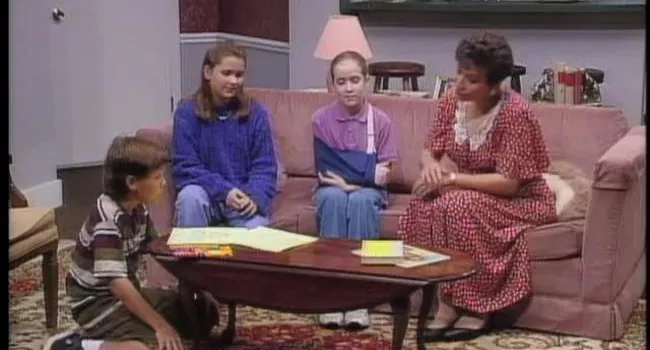
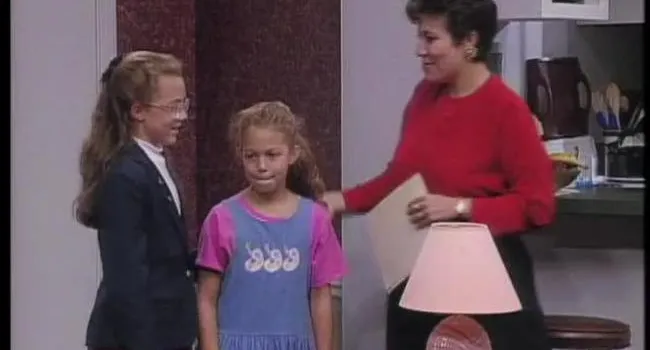
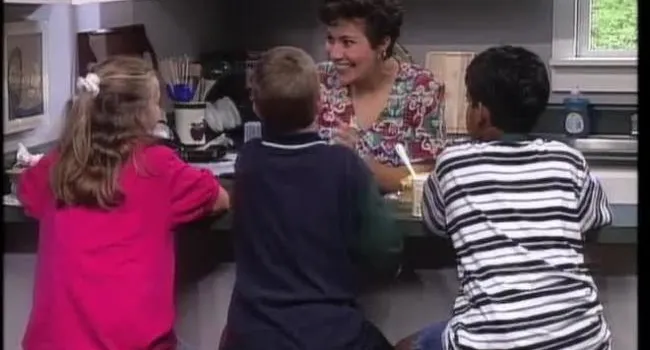
Señora Carnes greets the children at the door. Emily is happy because she is going on vacation. When she is asked when they are going, Emily says they are going on Friday (Viernes). Señora Carnes gets the calendar and shows them the days of the week (lunes, martes, miércoles, jueves, viernes, sábado, domingo). She explains that Monday is the first day of the week in Spanish-speaking countries and is therefore the first day on the calendar.
She then asks the children what is their favorite day of the week. Brian says Saturday (sábado) since there is no school. Grayson says Wednesday (miércoles) since she likes school. Monica says Tuesday (martes) because of soccer, and Emily says Friday (viernes) since that is when she is going on vacation. Señora Carnes says her favorite day is Monday (lunes) since Lauren was born on Monday.
Song
Days of the week, What day were you born? What is your favorite day?
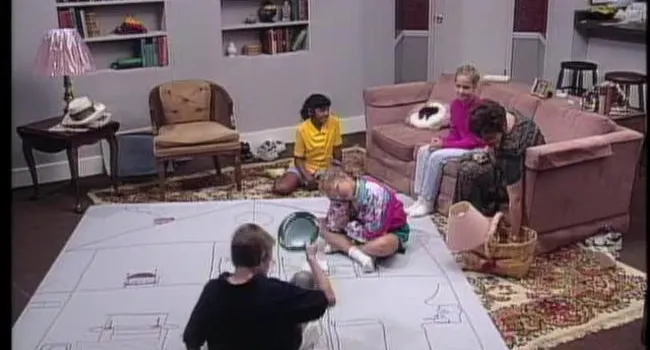
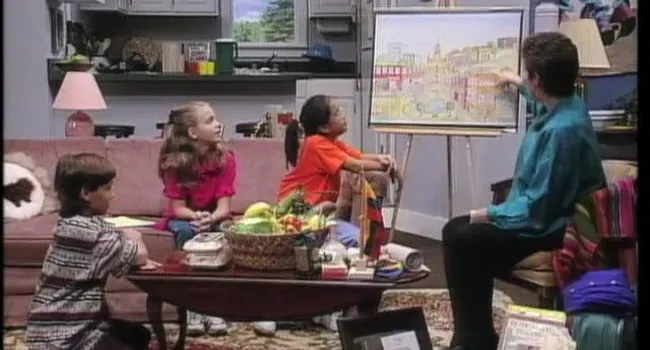
The children have drawn pictures of the different seasons. They talk about their favorite season, what happens during that season, and what the weather is like then. Emily’s favorite season is summer (el verano) because you can go swimming and on vacation. In summer the weather is hot (hace calor). Brian’s favorite season is winter (el invierno) because he likes snow and building snowmen. In winter the weather is cold (hace frio). Señora Carnes explains that when it is summer in North America, it is winter in South America because of the way the sun reaches the different hemispheres. Grayson’s favorite season is fall (el otoño) and in her picture she has drawn different colors of leaves. The weather in the fall is windy so that it blows the leaves off the trees. Monica’s favorite season is spring (la primavera) because of the flowers. In spring it’s rainy (llueve) to make the flowers grow.
Review
la primavera, el verano, el otoño, el invierno
Señora Carnes asks about the weather during the different seasons and then talks about the kinds of clothes that are worn in each season. Each of the children has appropriate clothes on for his or her favorite season and models the clothes as he or she tells about the season. This is review of clothing from lesson #5.
Holidays in North America
Christmas, Valentines Day, Easter, the Fourth of July,
Halloween and Thanksgiving
Señora Carnes tells the children about the celebration of Christmas in South America. All of the family gathers together on December 24 (Nochebuena el 24 de Diciembre) and puts up a tree and decorates it. Around 7:00 p.m. there is a big meal with lots and lots of food. The children put their shoes under the tree and go to sleep. Papa Noel comes and brings presents which he puts on the shoes. When the children wake up the next morning on Christmas Day, they all shout Feliz Navidad!
- lunes
- viernes
- martes
- sábado
- miércoles
- domingo jueves
Follow-up Activities
- Use the First Step Español Again video lesson to review the emphasized vocabulary.
- Review the vocabulary words for the days of the week. The students should learn the names of the days of the week in Spanish and use them as much as possible in context.
- Talk about the Spanish calendar and emphasize that Monday is the first day of the week. Make a calendar with Monday as the first day and use it in class all week. Let them write their homework assignments on a calendar with the Spanish names for the days. They can then show off their new vocabulary at home.
- In the lesson Señora Carnes asked the children what is their favorite season. Ask your students the same question in Spanish and let them write simple sentences in Spanish about their favorite seasons and then illustrate them.
- Compare the celebration of Christmas in South America to the celebration of this holiday in the United States. Your students may have different ways they celebrate the holiday based on their family’s nationality, religion, and traditions.
- After these follow-up activities, let students view the video lesson again so they can respond and practice with the children on the lesson.
Supplemental Activities
- Do a weather chart and track the weather on one of the calendars made as a part of follow- up activity #4. Begin a science unit on weather or seasons.
- Discuss why the seasons would be different in South America and North America. Use a globe and shine a flashlight on the earth so that North America gets the most light. Tell the students to pretend that the flashlight is the sun therefore what season would it be in North America and why? If North America was hot from the sunlight, what would South America be like? Since there is less sun then South America would be colder and what would the season be there? Use the word hemispheres to discuss the differences in these areas. Reverse the angle of the sun and ask the questions again.
- How are holidays celebrated around the world? Let your students do research in the media center. Ask parents or natives of other countries to visit the class to tell about their special holidays. Have some of these celebrations if possible.
- In one of the lesson’s songs, a child’s favorite day was the day he/she was born. Ask the students on what day were they born?. They will probably have to ask or you can provide a multiyear calendar or calendars for the years that your students would have been born so they can look up the day of the week. Read the poem “Monday’s Child” to the students after they have found the day of the week on which they were born. Do any of the things fit your students or is it just a nice poem?
- Ask the music teacher to teach the students the song “Feliz Navidad” by José Feliciano. Sing it together.
Remember to use the vocabulary words as much as possible in class during the next week. This should be especially easy since the words relate to the days of the week. Every morning ask the students in Spanish what day is today (Qué día es hoy?) and they should answer with Hoy es el___________ .
Using Spanish to speak about holidays and celebrations.
Vocabulary used in this episode:
- Monday / el lunes
- Tuesday / el martes
- Wednesday / el miércoles
- Thursday / el jueves
- Friday / el viernes
- Saturday / el sábado
- Sunday
- el domingo What day is today?
- ¿Qué día es hoy? Today is...
- Hoy es el...
- Seasons / Las estaciones
- spring / la primavera
- fall / el otoño
- summer / el verano
- winter / el invierno
- What’s the weather? / ¿Qué tiempo hace? It’s cold hace frio
- It’s hot / hace calor
- It’s sunny / hace sol
- It’s raining / llueve
- It’s windy / hace viento
Lesson 9 - Celebrating Holidays
Objectives
- To learn the days of the week
- To learn the different seasons and the weather during those seasons
- To learn about the difference in the calendar and the seasons in South America
- To learn about celebrations and holidays
Culture
In South America, Christmas is celebrated in similar ways as it is in the United States. On December 24 the family gathers together and decorates a tree. That evening around 7:00 p.m. the family has a big meal together with lots and lots of food. The typical Christmas meal in Ecuador consists of roasted turkey, stuffing, rice, potato salad and fruit cake. After the meal the children put their shoes under the tree and go to sleep. Papá Noel comes and brings presents which he puts on the shoes. When the children wake up the next morning on Christmas Day, they all shout Feliz Navidad!
Information for the Teacher
Monday is the first day of the week in many other countries around the world. Their calendars begin with Monday as the first day. This is true in Spanish-speaking countries.
Before Viewing the Video Lesson
- Ask your students what day is today? Ask them to name the days of the week. What day do they begin with when they are reciting the days of the week? Tell them that in today’s lesson they will learn the days of the week in Spanish. Ask them to listen carefully for something different about the days of the week besides their names. (Note: Monday is the first day of the week on the Spanish calendar.)
- Ask your students to name the seasons of the year. What season are you in now? Write the names of the seasons on the board and ask students to tell you one word that they think of when they think about each season. List these also.
- Talk about holidays that are celebrated in your community. Some are celebrated all over the world, some are just celebrated in the United States, and some may just be celebrated in your community. Tell which holidays would fall in each of the above categories and why?
Description of the Video Lesson
Señora Carnes greets the children at the door. Emily is happy because she is going on vacation. When she is asked when they are going, Emily says they are going on Friday (Viernes). Señora Carnes gets the calendar and shows them the days of the week (lunes, martes, miércoles, jueves, viernes, sábado, domingo). She explains that Monday is the first day of the week in Spanish-speaking countries and is therefore the first day on the calendar.
She then asks the children what is their favorite day of the week. Brian says Saturday (sábado) since there is no school. Grayson says Wednesday (miércoles) since she likes school. Monica says Tuesday (martes) because of soccer, and Emily says Friday (viernes) since that is when she is going on vacation. Señora Carnes says her favorite day is Monday (lunes) since Lauren was born on Monday.
Song
Days of the week, What day were you born? What is your favorite day?
The children have drawn pictures of the different seasons. They talk about their favorite season, what happens during that season, and what the weather is like then. Emily’s favorite season is summer (el verano) because you can go swimming and on vacation. In summer the weather is hot (hace calor). Brian’s favorite season is winter (el invierno) because he likes snow and building snowmen. In winter the weather is cold (hace frio). Señora Carnes explains that when it is summer in North America, it is winter in South America because of the way the sun reaches the different hemispheres. Grayson’s favorite season is fall (el otoño) and in her picture she has drawn different colors of leaves. The weather in the fall is windy so that it blows the leaves off the trees. Monica’s favorite season is spring (la primavera) because of the flowers. In spring it’s rainy (llueve) to make the flowers grow.
Review
la primavera, el verano, el otoño, el invierno
Señora Carnes asks about the weather during the different seasons and then talks about the kinds of clothes that are worn in each season. Each of the children has appropriate clothes on for his or her favorite season and models the clothes as he or she tells about the season. This is review of clothing from lesson #5.
Holidays in North America
Christmas, Valentines Day, Easter, the Fourth of July,
Halloween and Thanksgiving
Señora Carnes tells the children about the celebration of Christmas in South America. All of the family gathers together on December 24 (Nochebuena el 24 de Diciembre) and puts up a tree and decorates it. Around 7:00 p.m. there is a big meal with lots and lots of food. The children put their shoes under the tree and go to sleep. Papa Noel comes and brings presents which he puts on the shoes. When the children wake up the next morning on Christmas Day, they all shout Feliz Navidad!
- lunes
- viernes
- martes
- sábado
- miércoles
- domingo jueves
Follow-up Activities
- Use the First Step Español Again video lesson to review the emphasized vocabulary.
- Review the vocabulary words for the days of the week. The students should learn the names of the days of the week in Spanish and use them as much as possible in context.
- Talk about the Spanish calendar and emphasize that Monday is the first day of the week. Make a calendar with Monday as the first day and use it in class all week. Let them write their homework assignments on a calendar with the Spanish names for the days. They can then show off their new vocabulary at home.
- In the lesson Señora Carnes asked the children what is their favorite season. Ask your students the same question in Spanish and let them write simple sentences in Spanish about their favorite seasons and then illustrate them.
- Compare the celebration of Christmas in South America to the celebration of this holiday in the United States. Your students may have different ways they celebrate the holiday based on their family’s nationality, religion, and traditions.
- After these follow-up activities, let students view the video lesson again so they can respond and practice with the children on the lesson.
Supplemental Activities
- Do a weather chart and track the weather on one of the calendars made as a part of follow- up activity #4. Begin a science unit on weather or seasons.
- Discuss why the seasons would be different in South America and North America. Use a globe and shine a flashlight on the earth so that North America gets the most light. Tell the students to pretend that the flashlight is the sun therefore what season would it be in North America and why? If North America was hot from the sunlight, what would South America be like? Since there is less sun then South America would be colder and what would the season be there? Use the word hemispheres to discuss the differences in these areas. Reverse the angle of the sun and ask the questions again.
- How are holidays celebrated around the world? Let your students do research in the media center. Ask parents or natives of other countries to visit the class to tell about their special holidays. Have some of these celebrations if possible.
- In one of the lesson’s songs, a child’s favorite day was the day he/she was born. Ask the students on what day were they born?. They will probably have to ask or you can provide a multiyear calendar or calendars for the years that your students would have been born so they can look up the day of the week. Read the poem “Monday’s Child” to the students after they have found the day of the week on which they were born. Do any of the things fit your students or is it just a nice poem?
- Ask the music teacher to teach the students the song “Feliz Navidad” by José Feliciano. Sing it together.
Remember to use the vocabulary words as much as possible in class during the next week. This should be especially easy since the words relate to the days of the week. Every morning ask the students in Spanish what day is today (Qué día es hoy?) and they should answer with Hoy es el___________ .