Learn how to speak about life on a farm in Spanish.
Vocabulary used in this episode:
- animal(s) / el animal (los animales)
- cat / el gato (los gatos) la gata (las gatas)
- dog / el perro (los perros) la perra (las perras)
- horse / el caballo (los caballos) la yegua (las yeguas)
- cow / la vaca (las vacas)
- hen / la gallina (las gallinas)
- rooster / el gallo (los gallos)
- pig / el cerdo (los cerdos) la cerda (las cerdas)
- rabbit / el conejo (los conejos) la coneja (las conejas)
- sheep / la oveja (las ovejas)
- goat / la cabra (las cabras)
- farm / la granja
- barn / el granero
- farmer / el granjero (los granjeros) la granjera (las granjeras)
Lesson 6 - Visiting the Farm
Objectives
- To learn words related to animals
- To learn words related to the farm
- To learn about animals in Spanish-speaking countries
Culture
Even though animals make the same sounds around the world, the way people imitate those sounds is different. In English the sound a dog makes is called bow-wow, where in Spanish that sound is called guau-guau. In English a rooster says cock-a-doodle-do, where in Spanish it is kikiriki. In English a chicken says cluck-cluck where in Spanish that chicken says co-co-roco.
Information for the Teacher
Please note the difference in the vocabulary words for male and female animals, for example: el gato and la gata are both words for cat. Some animals have entirely different words for the male and female animal just as we do, for example: hen (la gallina) and rooster (el gallo).
Before Viewing the Video Lesson
- Take a poll of the students as to the types of pets they have. Do a graph of this information on the board.
- Depending on the location of your community, ask your students if they have ever visited a farm. What did they see there? What was different from their homes?
- Tell the students that in today’s lesson they will learn the words for different pets and farm animals. They will also learn the sounds that these animals made. Do animals make different sounds in different countries or are the words for these sounds different?
Description of the Video Lesson
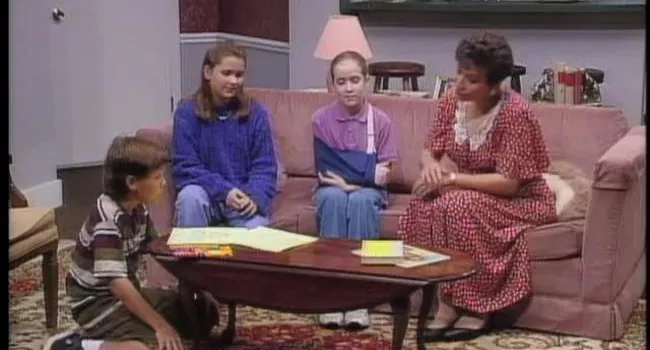
One of the girls brings her cat “Tink” to visit Señora Carnes who asks what color are the cat’s eyes (verde). The other children have a dog as a pet. Cat is el gato or la gata (Tink es la gata). Dog is el perro or la perra (Wishbone es el perro).
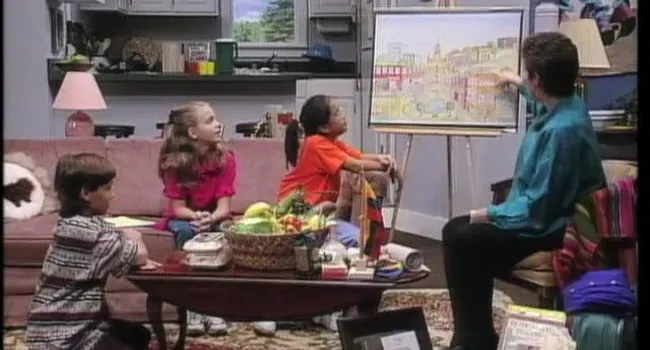
Count drawing of cats
uno, dos, tres, cuatro, cinco, seis, siete, ocho, nueve, diez
Los colores
rojo, amarillo, negro, blanco, rosado, verde, anaranjado, azul, gris, morado, café
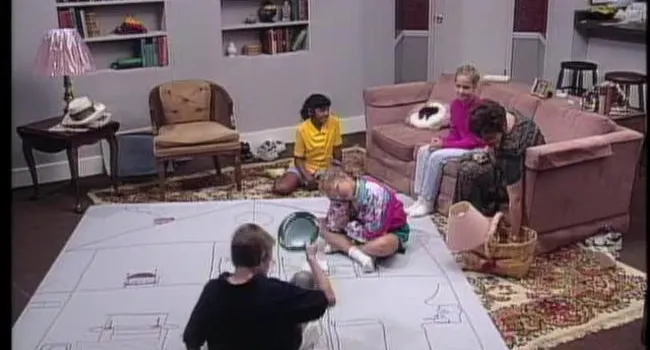
They all go to the living room where a toy farm is sitting on the table. They learn the words for farm (la granja), barn (el granero) and farmer (el granjero). As they pull different stuffed animals from a basket, they learn the words for these animals (cow - la vaca, sheep - la oveja, chicken - la gallina, pig - el cerdo, rabbit - el conejo, horse - el caballo) Where would all of these animals be found? In a house or in a barn?
Video trip to a farm
children running, farmer riding his tractor, geese, cows, sheep, goat, chickens, pony, horse, barn, cat, cow, pig, and horse
Some children are pantomiming the sounds and motions of animals. As each one finishes his pantomime, other students guess the animal.
Song
el caballo, la vaca, el cerdo
When we come back to the room, all of the children are asleep. Señora Carnes woke them up by holding up the toy rooster and making his sound. (See Culture about the sounds animals make)
Song
el gato, la vaca, la oveja, la gallina, el caballo, el perro
In a classroom, an older student is reading a big book that the students wrote to some younger students.
- el gato el perro
- el caballo la vaca
- el cerdo el conejo las ovejas
Follow-up Activities
- Use the First Step Español Again video lesson to review the emphasized vocabulary and conversations.
- Review vocabulary words related to animals. Use pictures, toys or stuffed animals to represent the vocabulary words. Encourage the use of “I like…”
- Review vocabulary words related to the farm. A toy farm such as the one on the program could be used. Ask if the different animals would be found on a farm.
- In the program some children are pantomiming the sounds and motions of animals. As each one finishes his pantomime, other students guess the animal. Let students do this game.
- Using the pictures, toys or stuffed animals from activity #2, let students tell the color of each animal. For example: El conejo es blanco (the rabbit is white).
- After these follow-up activities, let students view the video lesson again so they can respond and practice with the children on the lesson. Write sentences in Spanish.
Supplemental Activities
- This would be a good time to introduce a science unit on animals. All of these animals were pets or farm animals.
- Let students make a collage of farm animals or a three-dimensional diorama showing where the farm animals live.
- Ask the art teacher to let students make paper mache or clay animals. Be sure the students are able to tell the art teacher the name of their animal in Spanish.
- There are songs about animals that could be done in music. “Señor Gato the Cat” is one that children enjoy that has a Spanish flavor to it.
Remember to use the vocabulary words as much as possible in class during the next week. Always review previous vocabulary words whenever possible.. Continue to add the First Step Español suitcase folders.
Learn how to speak about life on a farm in Spanish.
Vocabulary used in this episode:
- animal(s) / el animal (los animales)
- cat / el gato (los gatos) la gata (las gatas)
- dog / el perro (los perros) la perra (las perras)
- horse / el caballo (los caballos) la yegua (las yeguas)
- cow / la vaca (las vacas)
- hen / la gallina (las gallinas)
- rooster / el gallo (los gallos)
- pig / el cerdo (los cerdos) la cerda (las cerdas)
- rabbit / el conejo (los conejos) la coneja (las conejas)
- sheep / la oveja (las ovejas)
- goat / la cabra (las cabras)
- farm / la granja
- barn / el granero
- farmer / el granjero (los granjeros) la granjera (las granjeras)
Lesson 6 - Visiting the Farm
Objectives
- To learn words related to animals
- To learn words related to the farm
- To learn about animals in Spanish-speaking countries
Culture
Even though animals make the same sounds around the world, the way people imitate those sounds is different. In English the sound a dog makes is called bow-wow, where in Spanish that sound is called guau-guau. In English a rooster says cock-a-doodle-do, where in Spanish it is kikiriki. In English a chicken says cluck-cluck where in Spanish that chicken says co-co-roco.
Information for the Teacher
Please note the difference in the vocabulary words for male and female animals, for example: el gato and la gata are both words for cat. Some animals have entirely different words for the male and female animal just as we do, for example: hen (la gallina) and rooster (el gallo).
Before Viewing the Video Lesson
- Take a poll of the students as to the types of pets they have. Do a graph of this information on the board.
- Depending on the location of your community, ask your students if they have ever visited a farm. What did they see there? What was different from their homes?
- Tell the students that in today’s lesson they will learn the words for different pets and farm animals. They will also learn the sounds that these animals made. Do animals make different sounds in different countries or are the words for these sounds different?
Description of the Video Lesson
One of the girls brings her cat “Tink” to visit Señora Carnes who asks what color are the cat’s eyes (verde). The other children have a dog as a pet. Cat is el gato or la gata (Tink es la gata). Dog is el perro or la perra (Wishbone es el perro).
Count drawing of cats
uno, dos, tres, cuatro, cinco, seis, siete, ocho, nueve, diez
Los colores
rojo, amarillo, negro, blanco, rosado, verde, anaranjado, azul, gris, morado, café
They all go to the living room where a toy farm is sitting on the table. They learn the words for farm (la granja), barn (el granero) and farmer (el granjero). As they pull different stuffed animals from a basket, they learn the words for these animals (cow - la vaca, sheep - la oveja, chicken - la gallina, pig - el cerdo, rabbit - el conejo, horse - el caballo) Where would all of these animals be found? In a house or in a barn?
Video trip to a farm
children running, farmer riding his tractor, geese, cows, sheep, goat, chickens, pony, horse, barn, cat, cow, pig, and horse
Some children are pantomiming the sounds and motions of animals. As each one finishes his pantomime, other students guess the animal.
Song
el caballo, la vaca, el cerdo
When we come back to the room, all of the children are asleep. Señora Carnes woke them up by holding up the toy rooster and making his sound. (See Culture about the sounds animals make)
Song
el gato, la vaca, la oveja, la gallina, el caballo, el perro
In a classroom, an older student is reading a big book that the students wrote to some younger students.
- el gato el perro
- el caballo la vaca
- el cerdo el conejo las ovejas
Follow-up Activities
- Use the First Step Español Again video lesson to review the emphasized vocabulary and conversations.
- Review vocabulary words related to animals. Use pictures, toys or stuffed animals to represent the vocabulary words. Encourage the use of “I like…”
- Review vocabulary words related to the farm. A toy farm such as the one on the program could be used. Ask if the different animals would be found on a farm.
- In the program some children are pantomiming the sounds and motions of animals. As each one finishes his pantomime, other students guess the animal. Let students do this game.
- Using the pictures, toys or stuffed animals from activity #2, let students tell the color of each animal. For example: El conejo es blanco (the rabbit is white).
- After these follow-up activities, let students view the video lesson again so they can respond and practice with the children on the lesson. Write sentences in Spanish.
Supplemental Activities
- This would be a good time to introduce a science unit on animals. All of these animals were pets or farm animals.
- Let students make a collage of farm animals or a three-dimensional diorama showing where the farm animals live.
- Ask the art teacher to let students make paper mache or clay animals. Be sure the students are able to tell the art teacher the name of their animal in Spanish.
- There are songs about animals that could be done in music. “Señor Gato the Cat” is one that children enjoy that has a Spanish flavor to it.
Remember to use the vocabulary words as much as possible in class during the next week. Always review previous vocabulary words whenever possible.. Continue to add the First Step Español suitcase folders.
Resources
First Step en Español 106: Visiting a Farm
Learn how to speak about life on a farm in Spanish. Includes basic vocabulary about colors and animals.
View Lesson