Learn more about using Spanish to speak about parts of the body at the doctor.
Vocabulary used in this episode:
The Body / El cuerpo
- mouth / la boca
- nose / la nariz
- head / la cabeza
- face / la cara
- ear(s) / la oreja (las orejas)
- eye(s) / el ojo (los ojos)
- hand(s) / la mano (las manos)
- leg(s) / la pierna (las piernas)
- arm(s) / el brazo (los brazos)
- foot/feet / el pie (los pies)
- hair / el pelo
People
- doctor / el doctor la doctora
- nurse / la enfermera
- man / el hombre (los hombres)
- woman / la mujer (las mujeres)
- boy / el niño (los niños)
- girl / la niña (las niñas)
- baby / el bebé (los bebés) la bebé (las bebés)
Lesson 4 - Going to the Doctor
Objectives
- To learn words related to body parts
- To learn words for people (man, woman, boy, girl, baby)
- To review colors and numbers
Before Viewing the Video Lesson
- Review colors and numbers since they will again be used in the lesson.
- If your students would go to the doctor for a check-up what would the doctor examine? Tell the students that today’s lesson will include a trip to a doctor and an accident.
- You could sing and play the Hokie Pokie game to call attention to body parts (use those from the vocabulary list).
Description of the Video Lesson
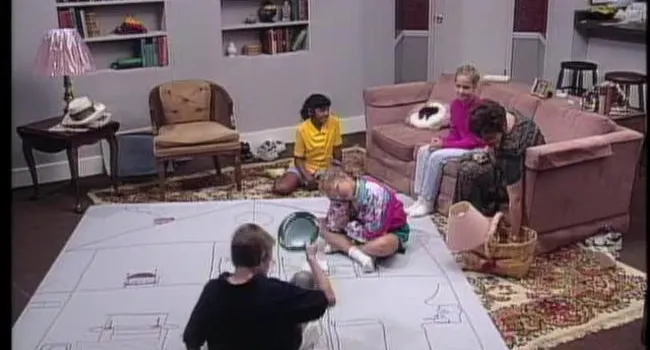
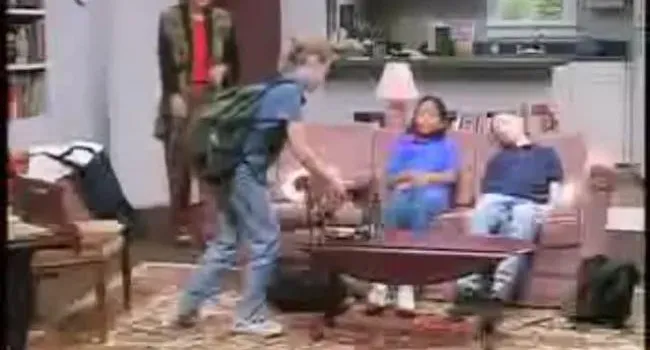
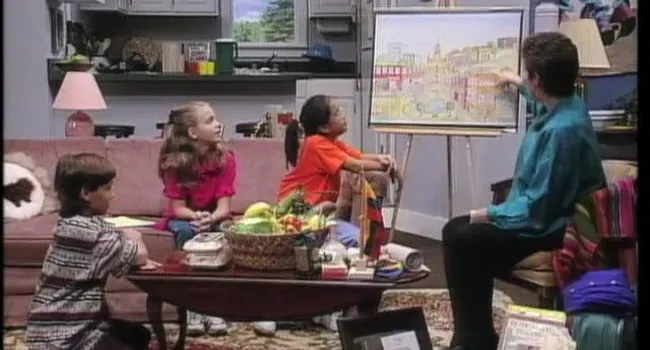
Anna comes in and has her arm in a sling and Band-Aids on her head as the result of a bicycle accident. The other children have been drawing pictures of Señora Carnes and themselves.
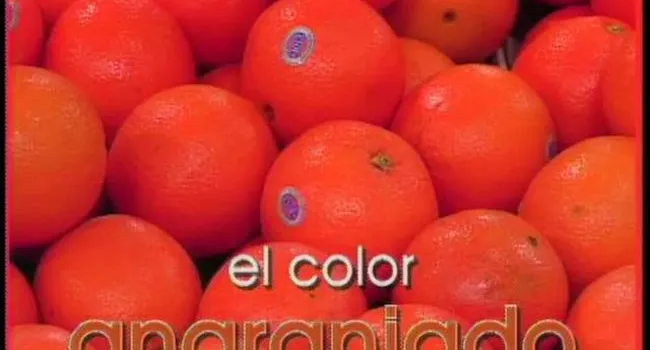
They talk about their faces and the color of their hair and eyes. Review Los Colores
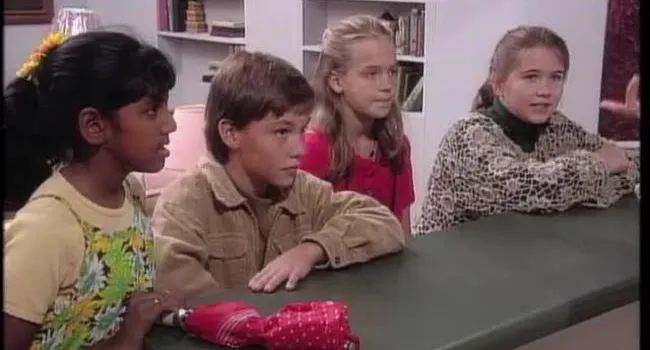
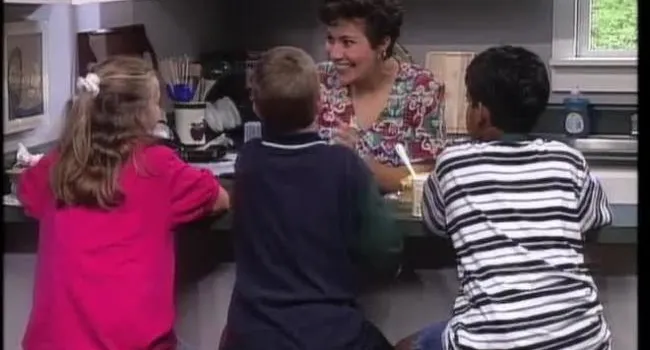
While in the kitchen having a snack, they talk about the senses and which body part is used for each sense (eyes, ears, nose, mouth and hands). They use the words for the facial features, hands and the senses to answer questions.
Song
los ojos, la nariz, la boca, las orejas, el pelo
Señor Carnes comes in with their daughter, Lauren, who stays with her mother while he goes to make a telephone call. Anna says her arm hurts. The children play doctor and nurse, give medicine, put on Band-Aids and wraps, etc.
Visit to the doctor for an examination
ears (las orejas), eyes (los ojos), nose (la nariz), mouth (la boca). hand (la mano), arm (el brazo), foot (el pie), leg (la pierna) Review of counting bicycle race pictures
Señora Carnes shows them silly pictures of people with one eye, three legs, four arms, two mouths, etc. They laugh at the pictures and tell how many of each are in the picture and how many there should be. She then shows a picture of Lauren and the children say Lauren has two eyes, one nose, and one mouth. Señora Carnes says “this baby is perfect!”
Review
el hombre, la mujer, el niño, la niña, la bebé la cabeza la mano la nariz
la boca el pie la oreja
Follow-up Activities
- Use the First Step Español Again video lesson to review the emphasized vocabulary.
- Review the number and color words as was done in the lesson.
- In the lesson Anna was hurt in a bicycle accident. What was hurt? Review the vocabulary for body parts.
- Using a drawing of a person, label body parts. You could use one bigger drawing and do this as a class activity with students putting cards with the vocabulary words on them next to each body part. Each student could have a drawing of a body and they could write the word for the proper body part on it.
- Show pictures of a man, a woman, a boy, a girl, and a baby. Let students match the words and the pictures.
- After these follow-up activities, let students view the video lesson again so they can respond and practice with the children on the lesson.
Supplemental Activities
- Do a graph of the hair colors and the colors of your students. Use the Spanish words for the colors and count the numbers in Spanish.
- In the lesson Señora Carnes and the students did an activity related to body parts. Let a student pantomime an activity that involves part of the body (such as brush teeth, wash hands) and the other students give the Spanish name for the part of the body involved.
- Let the students draw pictures of people and then label them using the vocabulary words for man, woman, boy, girl or baby. This could also be done as a collage of people cut from a magazine with each labeled.
- Draw silly pictures of people with one eye, three legs, four arms, two mouths. etc. like they did in the program. Give each student a piece of paper with three of four parts of the body listed on it with an arbitrary number for each. (Use Spanish words for numbers and body parts.) They are to draw their picture using these numbers. Share the pictures with the class.
- Do a Simon Says type game using the parts of the body. Tóquense las orejas (Touch the ears). Say the words without doing the action and see if the students can correctly touch the correct part of the body. Give students a chance to be the teacher.
Remember to use the vocabulary words in context as much as possible in class during the next week. Use other vocabulary words from previous lessons.
When you remind students to raise their hand, say La mano, etc. Continue to add to the First Step Español suitcase folder.
Learn more about using Spanish to speak about parts of the body at the doctor.
Vocabulary used in this episode:
The Body / El cuerpo
- mouth / la boca
- nose / la nariz
- head / la cabeza
- face / la cara
- ear(s) / la oreja (las orejas)
- eye(s) / el ojo (los ojos)
- hand(s) / la mano (las manos)
- leg(s) / la pierna (las piernas)
- arm(s) / el brazo (los brazos)
- foot/feet / el pie (los pies)
- hair / el pelo
People
- doctor / el doctor la doctora
- nurse / la enfermera
- man / el hombre (los hombres)
- woman / la mujer (las mujeres)
- boy / el niño (los niños)
- girl / la niña (las niñas)
- baby / el bebé (los bebés) la bebé (las bebés)
Lesson 4 - Going to the Doctor
Objectives
- To learn words related to body parts
- To learn words for people (man, woman, boy, girl, baby)
- To review colors and numbers
Before Viewing the Video Lesson
- Review colors and numbers since they will again be used in the lesson.
- If your students would go to the doctor for a check-up what would the doctor examine? Tell the students that today’s lesson will include a trip to a doctor and an accident.
- You could sing and play the Hokie Pokie game to call attention to body parts (use those from the vocabulary list).
Description of the Video Lesson
Anna comes in and has her arm in a sling and Band-Aids on her head as the result of a bicycle accident. The other children have been drawing pictures of Señora Carnes and themselves.
They talk about their faces and the color of their hair and eyes. Review Los Colores
While in the kitchen having a snack, they talk about the senses and which body part is used for each sense (eyes, ears, nose, mouth and hands). They use the words for the facial features, hands and the senses to answer questions.
Song
los ojos, la nariz, la boca, las orejas, el pelo
Señor Carnes comes in with their daughter, Lauren, who stays with her mother while he goes to make a telephone call. Anna says her arm hurts. The children play doctor and nurse, give medicine, put on Band-Aids and wraps, etc.
Visit to the doctor for an examination
ears (las orejas), eyes (los ojos), nose (la nariz), mouth (la boca). hand (la mano), arm (el brazo), foot (el pie), leg (la pierna) Review of counting bicycle race pictures
Señora Carnes shows them silly pictures of people with one eye, three legs, four arms, two mouths, etc. They laugh at the pictures and tell how many of each are in the picture and how many there should be. She then shows a picture of Lauren and the children say Lauren has two eyes, one nose, and one mouth. Señora Carnes says “this baby is perfect!”
Review
el hombre, la mujer, el niño, la niña, la bebé la cabeza la mano la nariz
la boca el pie la oreja
Follow-up Activities
- Use the First Step Español Again video lesson to review the emphasized vocabulary.
- Review the number and color words as was done in the lesson.
- In the lesson Anna was hurt in a bicycle accident. What was hurt? Review the vocabulary for body parts.
- Using a drawing of a person, label body parts. You could use one bigger drawing and do this as a class activity with students putting cards with the vocabulary words on them next to each body part. Each student could have a drawing of a body and they could write the word for the proper body part on it.
- Show pictures of a man, a woman, a boy, a girl, and a baby. Let students match the words and the pictures.
- After these follow-up activities, let students view the video lesson again so they can respond and practice with the children on the lesson.
Supplemental Activities
- Do a graph of the hair colors and the colors of your students. Use the Spanish words for the colors and count the numbers in Spanish.
- In the lesson Señora Carnes and the students did an activity related to body parts. Let a student pantomime an activity that involves part of the body (such as brush teeth, wash hands) and the other students give the Spanish name for the part of the body involved.
- Let the students draw pictures of people and then label them using the vocabulary words for man, woman, boy, girl or baby. This could also be done as a collage of people cut from a magazine with each labeled.
- Draw silly pictures of people with one eye, three legs, four arms, two mouths. etc. like they did in the program. Give each student a piece of paper with three of four parts of the body listed on it with an arbitrary number for each. (Use Spanish words for numbers and body parts.) They are to draw their picture using these numbers. Share the pictures with the class.
- Do a Simon Says type game using the parts of the body. Tóquense las orejas (Touch the ears). Say the words without doing the action and see if the students can correctly touch the correct part of the body. Give students a chance to be the teacher.
Remember to use the vocabulary words in context as much as possible in class during the next week. Use other vocabulary words from previous lessons.
When you remind students to raise their hand, say La mano, etc. Continue to add to the First Step Español suitcase folder.
Resources
First Step en Español 104: Going to the Doctor
Students will: 1. learn words related to body parts 2. learn words for people (man, woman, boy, girl, baby) 3. review colors and numbers
View Lesson