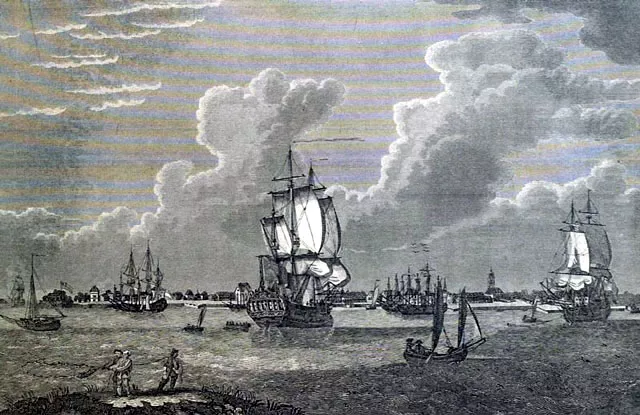
Charleston, South Carolina in 1742 | History of SC Slide Collection

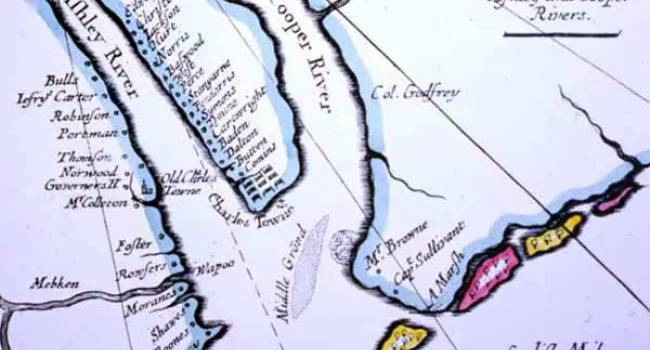
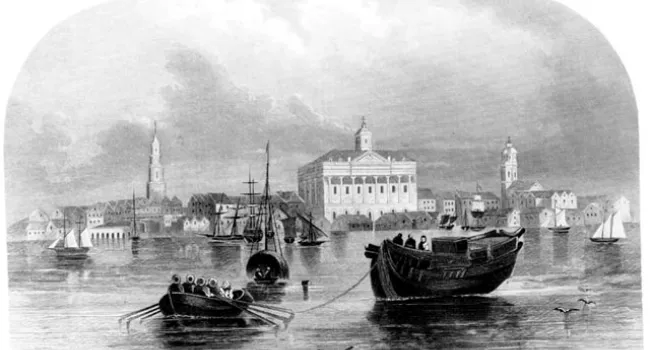
The city of Charleston in 1742 was a bustling port town of 6,800, the fourth largest city in British North America. Half of its population were African-American slaves. They were the labor on which much of the city's great wealth had developed from the cultivation of rice. The shipping trade that filled the harbors with "Canoes, Boats, Pettygues," crafts of all sizes and descriptions, docked at eight wharves or "bridges" jutting out into the Cooper River. On the "middle bridge" alone were eight warehouses. When this engraving was completed, Charleston was recovering from the terrible fire of 1740 that destroyed 334 houses.

Courtesy of the South Caroliniana Library.

More in this Series

History of SC Slide Collection / C. An Illustrated History, 1550-1988 | History of SC Slide Collection / B. Colonial Era

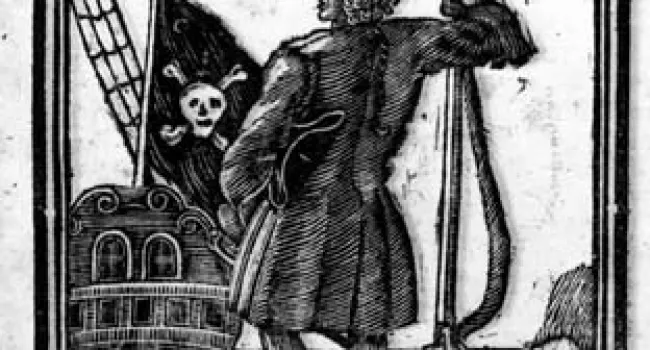
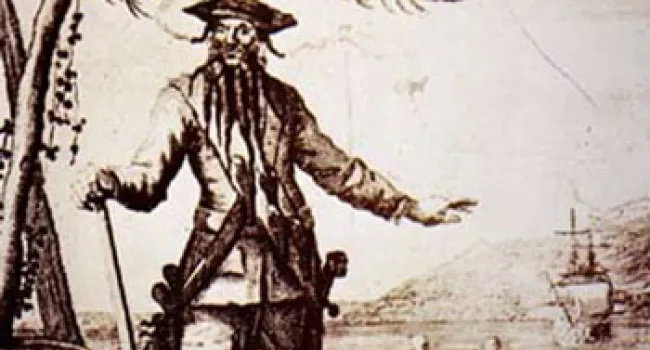
Major Stede Bonnet | History of SC Slide Collection

Photo

Major Stede Bonnet | History of SC Slide Collection
Episode 1
The Pirate Stede Bonnet is one of the more colorful characters in South Carolina history. In the early 18th century there was sometimes very little difference between legal piracy--the licensing of...
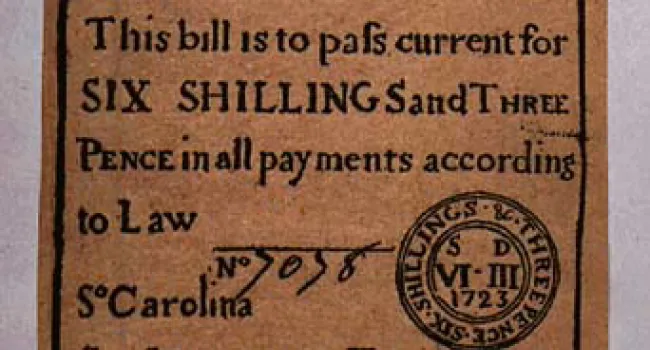
Bill of Exchange | History of SC Slide Collection

Photo

Grades

  • 4
  • 8
Bill of Exchange | History of SC Slide Collection
Episode 3
The availability of "real" money, in the form of coins made of gold and silver, was a constant problem in all of the English colonies. Their need to purchase manufactured goods from Europe meant that...
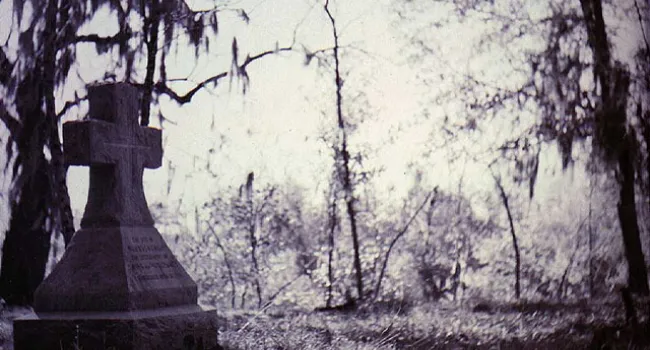
Purrysburg Cemetery | History of SC Slide Collection

Photo

Purrysburg Cemetery | History of SC Slide Collection
Episode 4
During the 1730s, to protect against Native American attack and slave uprising, the government made plans to establish eight townships in a semicircle about one hundred miles around Charles Town (see...
Mulberry House and Street

Photo

Mulberry House and Street
Episode 7
"Mulberry House and Street," painted by Thomas Coram around 1800, shows a typical mid-18th century South Carolina plantation. The "great House," while elegant, was not necessarily the enormous...
Cherokee Alphabet | History of SC Slide Collection

Photo

Grades

  • 4
  • 8
Cherokee Alphabet | History of SC Slide Collection
Episode 12
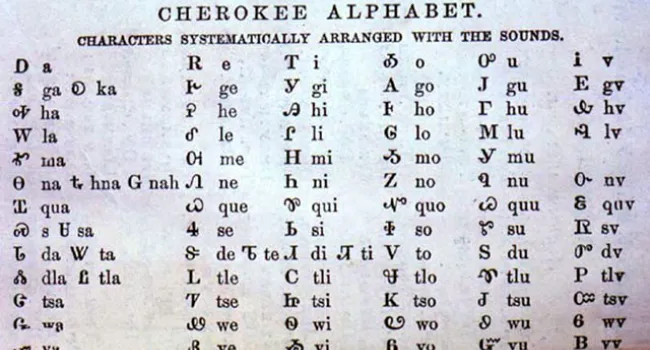
The title page and first page of hymns, "Cherokee Hymnbook," printed in Philadelphia, for the American Baptists Publication Society around 1820. The Cherokee were a highly organized society, and early...
Oconee Station | History of SC Slide Collection

Photo

Grades

  • 4
  • 8
Oconee Station | History of SC Slide Collection
Episode 13
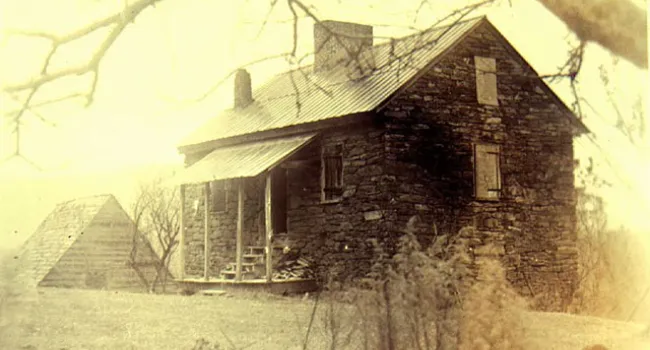
Oconee Station (also labeled Salem Blockhouse, north of Walhalla). Made of local field stone, this was one of a series of fortifications built for protection against the Native Americans in the...
Proprietary Grant | History of SC Slide Collection

Photo

Grades

  • 4
  • 8
Proprietary Grant | History of SC Slide Collection
Episode 14
Although it was the Englishman Sir Francis Drake whose raids persuaded the Spanish to abandon Santa Elena and concentrate on defending St. Augustine in 1587, it was nearly a century before the English...
Stamp Tax Outrage | History of SC Slide Collection

Photo

Grades

  • 4
  • 8
  • 9
  • 10
  • 11
  • 12
Stamp Tax Outrage | History of SC Slide Collection
Episode 15
The wealth of centers like Charleston helped prepare the way for the dissatisfactions against British rule that finally resulted in the Revolution. A wealthy elite, with connections through trade to...
Goose Creek Church | History of SC Slide Collection

Photo

Goose Creek Church | History of SC Slide Collection
Episode 19
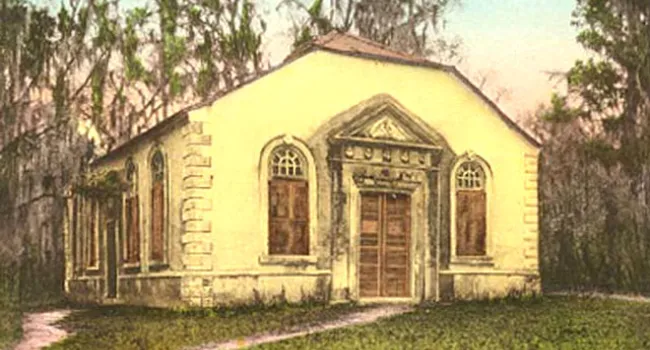
Goose Creek Church in St. James Parish was one of the earliest structures built in South Carolina for religious worship. The congregation was founded by Rev. William Corbin in 1702 in the wealthiest...
Landrum Blockhouse | History of SC Slide Collection

Photo

Grades

  • 4
  • 8
Landrum Blockhouse | History of SC Slide Collection
Episode 20
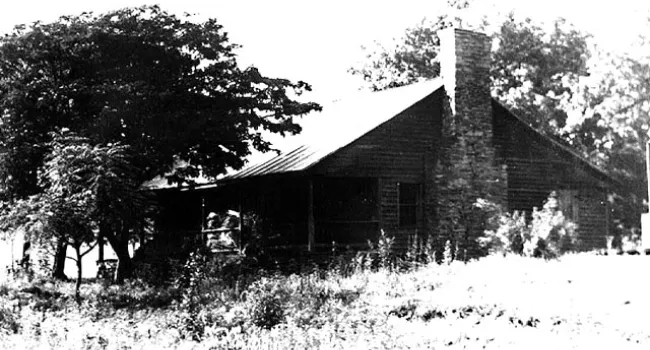
Landrum Blockhouse on the South Carolina and North Carolina line, near Tryon, North Carolina. This was one of a series of blockhouses built for protection against the Native Americans. A WPA photo...