Video
Slavery in South Carolina
Learn about the economics and hardships of slavery in South Carolina
The combination of seafood like fish or shrimp with grits has its origins in Charleston, South Carolina. Grits, an ancient staple, predate European conquest, African enslavement, and the founding of...
Video
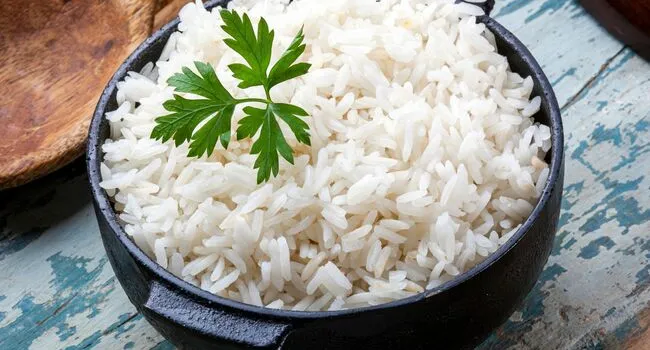
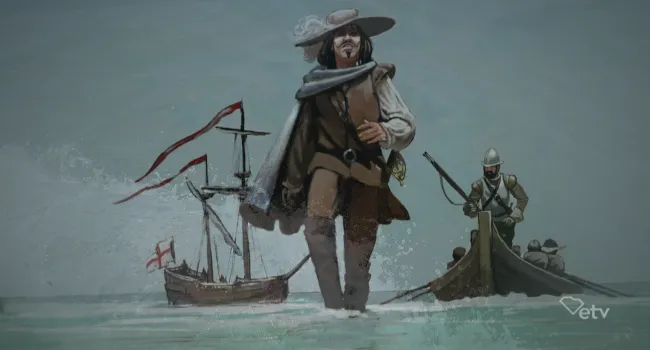
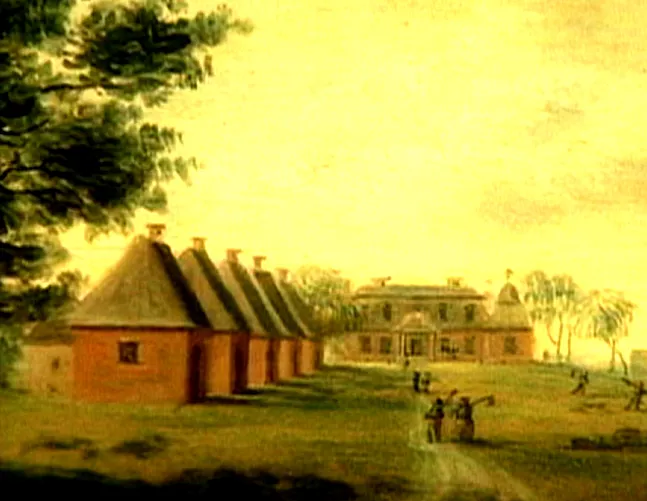
In 1685, John Thurber, a pirate, inadvertently introduced rice to America. After a storm damaged his ship, he stopped in Charleston, SC, where he met Dr. Henry Woodward. In exchange for assistance...
Interactive
Grades
- 3
- 4
- 5
- 6
- 7
- 8
- 9
- 10
- 11
- 12
- Higher Education
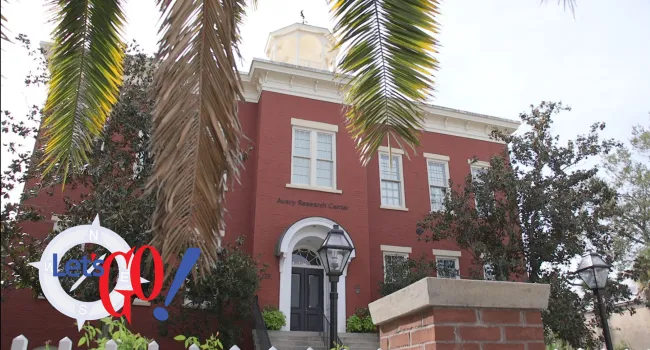
The Avery Research Center for African American History and Culture is located on the site of the former Avery Normal Institute. It was a hub for Charleston’s African American community from 1865–1954...
Video
Grades
- 4
- 5
- 6
- 7
- 8
- 9
- 10
- 11
- 12
Episode
3
From Africa to the White House is a 3 part series that traces the journey of enslaved Africans from the regions of West Africa to America. It covers slavery, reconstruction and the Civil Rights Bill...
Video
Grades
- 4
- 5
- 6
- 7
- 8
- 9
- 10
- 11
- 12
Episode
2
From Africa to the White House is a 3 part series that traces the journey of enslaved Africans from the regions of West Africa to America. It covers slavery, reconstruction and the Civil Rights Bill...
Video
Grades
- 4
- 5
- 6
- 7
- 8
- 9
- 10
- 11
- 12
Episode
1
From Africa to the White House is a 3 part series that traces the journey of enslaved Africans from the regions of West Africa to America. It covers slavery, reconstruction and the Civil Rights Bill...
Video
Grades
- 4
- 8
- 9
- 10
- 11
- 12
Episode
2
After the Civil War, the U.S. had a long road ahead for rebuilding the country. In addition to fixing the country's infrastructure, the U.S. needed to mend the social and political inequities many...
Video
Grades
- 4
- 8
- 9
- 10
- 11
- 12
Episode
1
The question of "the peculiar institution" known as slavery had been hotly debated long before the American Civil War. This video outlines the reasons the 13th, 14th, and 15th Amendments to the U.S...
Lesson
Grades
- 4
- 6
- 8
Beyond Barbados Part 3- The Barbados Adventures video segment focuses on the growth and wealth of Barbados with sugar cane as the cash crop. It notes that Europeans developed plantations throughout...
Video
Grades
- 3
- 4
- 5
- 6
- 7
- 8
- 9
- 10
- 11
- 12
- Higher Education
Episode
5
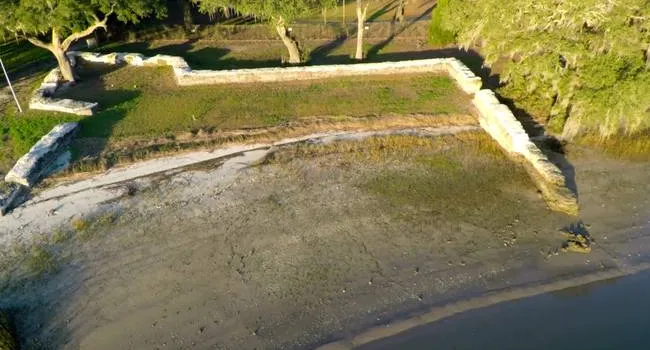
The fort holds clues to the lives of the enslaved men, women and children who built the South.
Video
Grades
- 4
- 6
- 8
- 9
- 10
Episode
3
The Barbados Adventurers With the success of the sugarcane crop, Barbados quickly became the wealthiest colony in the New World, and the most densely populated place on the planet. Successful...
Video
Grades
- 4
- 6
- 8
- 9
- 10
- Higher Education
Episode
5
A Cultural Hearth The success of Barbados, Carolina, America, the New World for that matter is coterminous with slavery. The labor, the technology, the ingenuity, and the culture that supported this...
Video
Grades
- 4
- 6
- 8
- 9
- 10
- Higher Education
Episode
4
Colony Of A Colony Most of the colonists who settled in Carolina were wealthy English planters, with names such as Middleton, Drayton, Colleton, and Yeamans. The vast wealth accrued in Carolina was...
Video
Grades
- 6
- 8
- 9
- Higher Education
Episode
1
In The Beginning Most students today understand that the Carolinas were colonized by the English who had come to the Charleston area by way of Caribbean trade routes, primarily Barbados. The story of...
Video
Grades
- 6
- 8
- 9
- 10
- 11
- Higher Education
Episode
2
Sweet Success Dutch Sephardic Jewish colonists moved from Brazil to Barbados to escape the religious persecution of the Spanish Inquisition. These Sephardic Jews brought with them the knowledge to...
Lesson
Grades
- 4
- 6
- 8
History never really happens in a vacuum. Barbados was an amalgam of many cultures, which was made even more complicated by the social control of those in power over those enslaved. The clash of...
Video
Grades
- 3
- 4
- 5
- 6
- 7
- 8
- 9
- 10
- 11
- 12
- Higher Education
Episode
2
David Drake, also known as “Dave the Potter” and “Dave the Slave,” (c.1801-c.1870) was an American potter who lived in Edgefield, S.C. Dave produced alkaline-glazed stoneware jugs between the 1820s...
Audio
Grades
- 6
- 7
- 8
- 9
- 10
- 11
- 12
- Higher Education
"C" is for Colonoware. On historic-period sites in South Carolina, archaeologists often find locally made, hand-built unglazed pottery that was fired in open hearths rather than kilns. Vessels and...
Audio
Grades
- 6
- 7
- 8
"P" is for Praise Houses. “Praise houses” (sometimes called “prayer houses”) functioned on antebellum South Carolina plantations as both the epitome of slave culture and symbols of resistance to...
Audio
Grades
- 6
- 7
- 8
"S" is for Slave Patrols. Slave patrols were a crucial mechanism of slave control in colonial and antebellum South Carolina. Like the state’s earliest slave codes, the earliest slave patrol systems...
Video
Grades
- 3
- 4
- 8
Episode
3
William Hiott and Patrick McMillan discuss the contributions made by African Americans. When Paul de St. Julien died in 1741, he owned forty-five slaves. Most of the profit which came from St. Julien...
Video
Grades
- 3
- 4
- 5
Episode
2
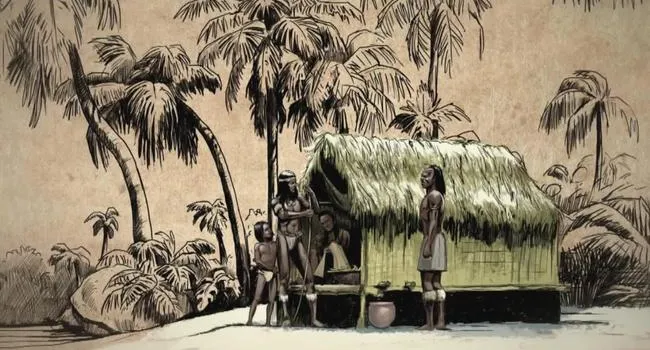
In the 16th century, Spanish and English settlers came to colonize Hobcaw Barony. This was a dark time for the Waccamaw people, for Spaniards colonized Waccamaw land without regard for the natives...
Video
Grades
- 3
- 4
- 5
Episode
3
In the 18th and 19th centuries, rice was the most produced crop in the United States, and provided the most wealth. Historian Daniel Littlefield, and botanist Richard Porcher, discuss rice’s African...
Photo
Grades
- 3
- 4
- 5
- 6
- 7
- 8
- 9
- 10
- 11
- 12
Episode
3
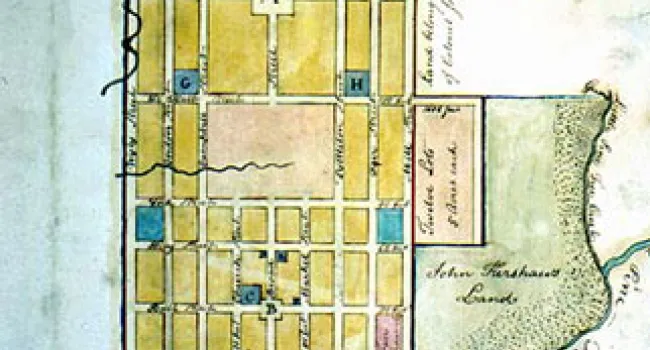
The town of Camden was one of the first official settlements to be laid out in the interior of South Carolina in the 1730s. Settlers flooded into the backcountry during the quarter century of peace...