Students will watch the What's Wild video about carnivorous plants in the South Carolina. They will do research and then create their own plant using available supplies and materials.
Standards
- Life Science: Diversity of Life – Protists, Fungi and Plants
- 6.L.5 The student will demonstrate an understanding of the structures, processes, and responses that allow protists, fungi, and plants to survive and reproduce.
- Life Science: Animals and Their Environments
- 2.L.5 The student will demonstrate an understanding of how the structures of animals help them survive and grow in their environments.
- Plants, algae (including phytoplankton), and many microorganisms use the energy from light to make sugars (food) from carbon dioxide from the atmosphere and water through the process of photosynthesis, which also releases oxygen. These sugars can be used immediately or stored for growth or later use.
- 1-2.6 Identify characteristics of plants (including types of stems, roots, leaves, flowers, and seeds) that help them survive in their own distinct environments.
Resources
Mimicking Nature: Designing Solutions Inspired by Carnivorous Plants
Students will use materials to design a solution to a human problem by mimicking how carnivorous plants use their external parts to help them survive, grow, and meet their needs
View LessonCarnivorous Plants | What's Wild
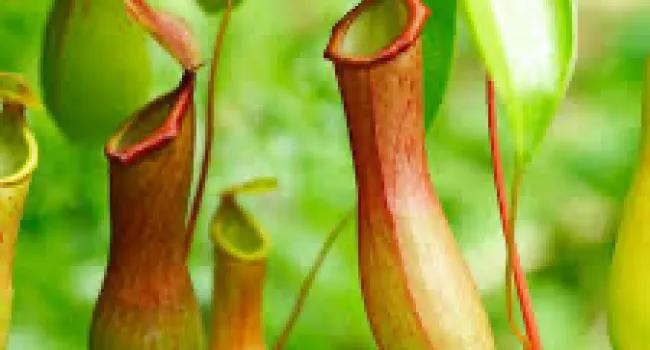
In this edition of What's Wild, we'll be taking a look at some native South Carolina plants with a big appetite! There are approximately thirty-one species of carnivorous plants throughout the state...
View Asset