Exploring Bison in South Carolina
3-LS4-3. Construct an argument with evidence that in a particular habitat some organisms can thrive, struggle to survive, or fail to survive.
Lesson Title: Exploring Bison in South Carolina
Objective:
Students will learn about the history, habitat, and significance of bison in South Carolina.
Essential Question
Objective: Students will learn about the history, habitat, and significance of bison in South Carolina.
Success Criteria:
- Identify key characteristics of bison.
- Describe the historical presence of bison in South Carolina.
- Explain the current status of bison in South Carolina.
- Discuss the importance of bison conservation.
Grade(s):
- 3
Subject(s):
Recommended Technology:
Other Instructional Materials or Notes:
Materials Needed:
- Videos of bison (What's Wild: American Bison)
- Map of South Carolina
- Poster board or Large Sticky Notes
- Markers
Lesson Progression
Objective: Students will learn about the history, habitat, and significance of bison in South Carolina.
Success Criteria:
- Identify key characteristics of bison.
- Describe the historical presence of bison in South Carolina.
- Explain the current status of bison in South Carolina.
- Discuss the importance of bison conservation.
Materials Needed:
- Videos of bison- What's Wild American Bison
- Map of South Carolina
- Poster board/Large Sticky Notes
- Markers
Lesson Introduction:
- Show American Bison What's Wild to the students and ask them what they notice about these animals.
- Discuss with the students where they think bison live and how they might contribute to ecosystems.
- Explain that today, they will be learning about bison specifically in the state of South Carolina.
Bison in History:
- Use a map of the United States to show where bison historically roamed, including South Carolina.
- Discuss with students how bison were an important part of Native American cultures and were once abundant across North America.
- Explain how European settlement, hunting, and habitat loss led to the decline of bison populations, including those in South Carolina.
- Share interesting facts about bison, such as their size, diet, and behavior.
Bison in South Carolina Today:
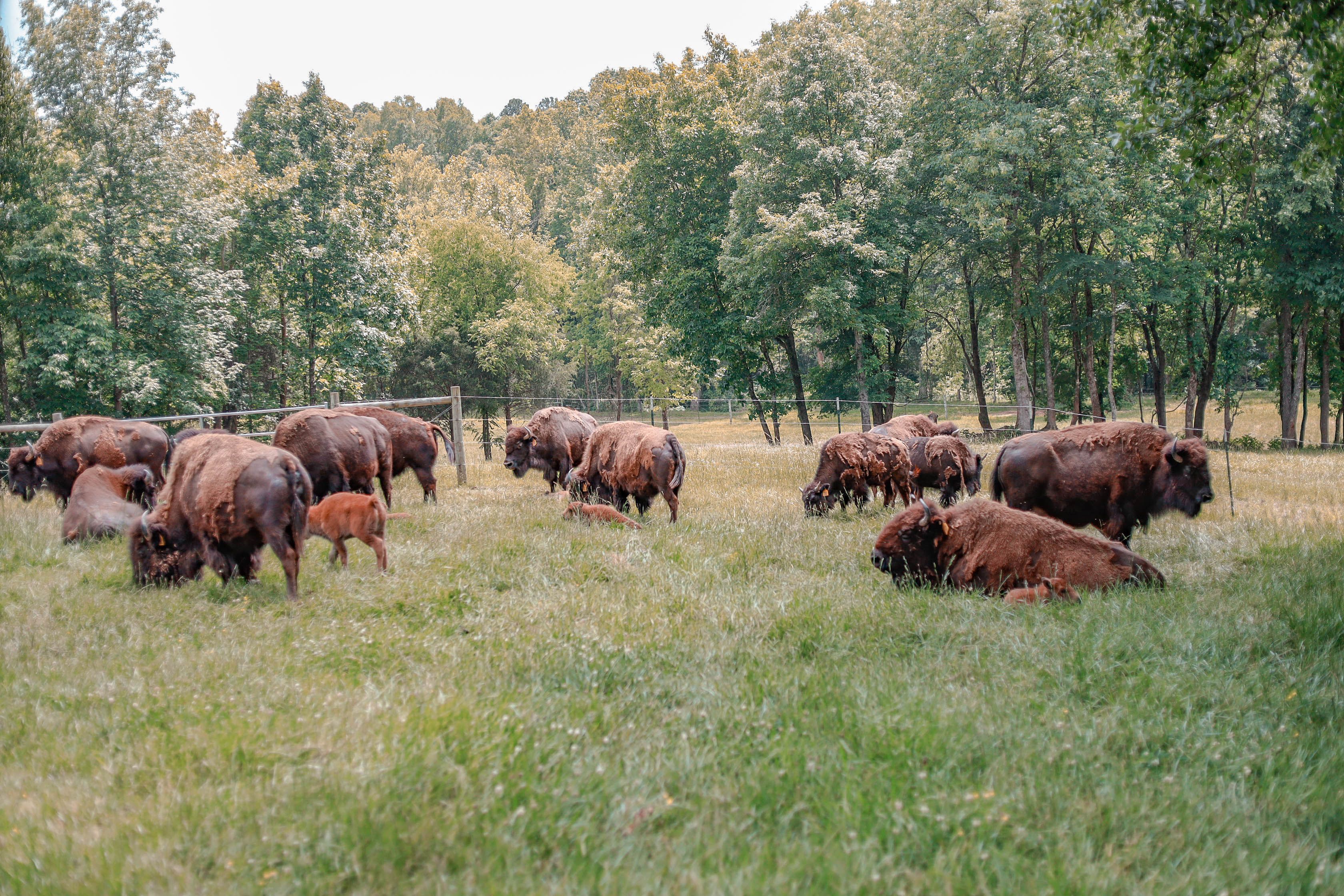
- Discuss the current status of bison in South Carolina. Explain that while bison are not native to South Carolina anymore, efforts have been made to reintroduce them in some areas.
- Show pictures or videos of bison in South Carolina, if available.
- Explain where bison can be found in the state today, such as in wildlife reserves or parks, https://www.tatankabison.com/.
- Discuss the importance of preserving and protecting bison habitats in South Carolina.
Bison Conservation:
- Discuss the concept of conservation with the students, emphasizing the importance of protecting wildlife and their habitats.
- Brainstorm with the students ways in which they can contribute to bison conservation efforts, such as reducing litter, supporting wildlife reserves, or learning more about local ecosystems.
- Explain that by learning about bison and their role in South Carolina's ecosystems, they can become stewards of their environment.
- Invite a local wildlife expert or biologist to speak to the class about bison in South Carolina and conservation efforts.
Activity:
- Organize field study to Tatanka Bison Ranch either in person or virtual. Charles Towne Landing: Animal Forest is another option for a field study for bison.
Conclusion:
- Review key points about bison in South Carolina, including their historical presence, current status, and the importance of conservation.
- Encourage students to share what they have learned and any ideas they have for supporting bison conservation efforts.
- Conclude by emphasizing the significance of bison in South Carolina's natural heritage and the role each person can play in protecting wildlife and their habitats.
Assessment: Assess students based on their participation in discussions, completion of the activity, and understanding demonstrated during the lesson.
American Bison Trivia Quiz | What's Wild
Existing for half a million years, bison have been a symbol of wild America. These resilient creatures were on the verge of extinction but despite all odds, they have survived. Although it may seem...
View AssetAmerican Bison Trivia Quiz - Teacher Resource | What's Wild
Existing for half a million years, bison have been a symbol of wild America. These resilient creatures were on the verge of extinction but despite all odds, they have survived. Although it may seem...
View AssetHistory of Bison in South Carolina
Informational brochure about the history of bison in South Carolina.
View ResourceAnimals Forest at Charles Towne Landing
The Animal Forest at Charles Towne Landing is home to a variety of species that inhabited Carolina at the time when this site was a newly settled English colony. Through informational signs along the paved trail, you are reminded of challenges faced by those pioneers, of daily life in a wild world, of predators and prey. No longer do we worry if wolves or pumas will kill our cattle. Nor can we see a herd of bison grazing in an abandoned “Indian field.” But for a short time as you walk the trail, you can imagine life this way and how each of the animals in the zoo played a role in the lives of the colonists.
Charles Towne Landing’s Animal Forest is unlike most zoos. While the animals are still the attraction, the tie to history is the lesson. A walk through the Animal Forest during your visit should not be a separate experience, but an integral part of the story of the first permanent European settlement in the colony of Carolina.
Tatanka Bison Farm
Located in historic York County SC, the beautiful 215-acre ranch offers our visitors the unique opportunity to view and learn about bison in a natural environment. We manage our ranch and herds using holistic and sustainable practices. We share our passion for these wonderful animals with people of all ages. Our motto is: “Preservation, Education & Agritourism.”
View ResourceBison Bellows- National Park Service
In November 2016, the National Park Service Biological Resources Division in Fort Collins, Colorado, began the 52-week long "Bison Bellows" series. Every week, "Bison Bellows" featured short articles—known as "Bellows"—highlighting stories centered on three themes: meeting the herd, meeting the people, and telling the story. In essence, it is a celebration of all things bison.
View Resource