African American History

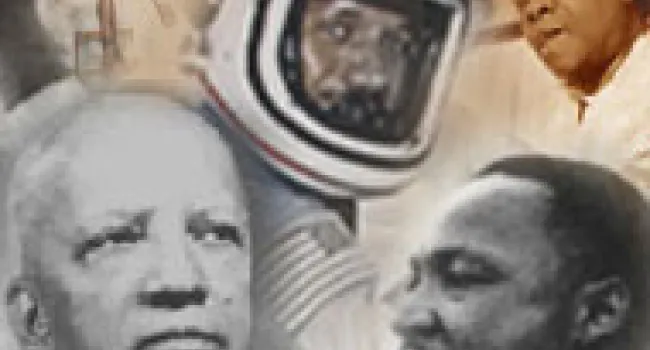
Learn about the achievements of African Americans who have shaped South Carolina and American history.

Black History Month is celebrated every February to honor the achievements of African Americans who have shaped American history. Historian Carter G. Woodson hoped to raise awareness of African American's contributions to civilization by establishing Negro History Week. The event was first celebrated during a week in February 1926 that included both Abraham Lincoln and Frederick Douglass' birthdays. The week was later expanded to a month in 1976 during the United States bicentennial.

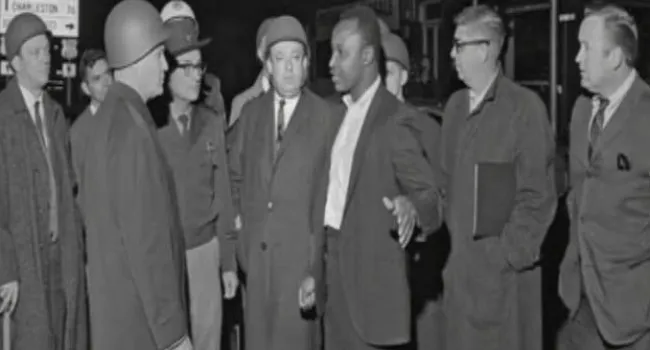
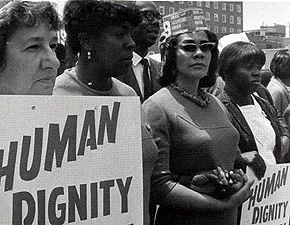
PHOTO: On March 20, 1969, Black hospital workers at the Medical College of South Carolina in Charleston went on strike to protest the firing of twelve employees and to call for higher wages and union recognition.
Within this Collection

Content Type
 Dizzy Gillespie: An Influential Teacher | Carolina Stories 3

Video

Grades

  • 5
  • 6
  • 7
  • 8
  • 9
  • 10
  • 11
  • 12
  • Higher Education
Dizzy Gillespie: An Influential Teacher | Carolina Stories
Episode 3
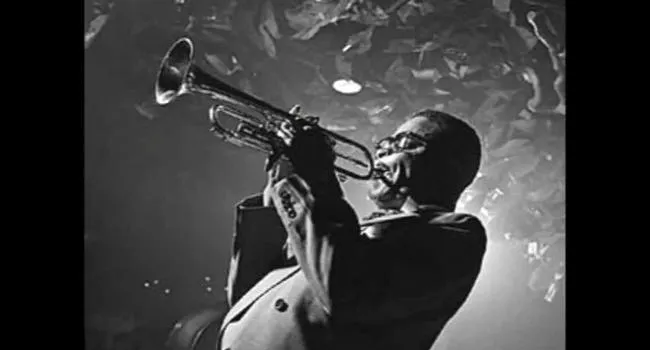
Dizzy Gillespie was not only a great entertainer, but was also known for being an influential music teacher. He earned his status as a famous musician not through instant gratification, but through...
 Dizzy Gillespie: His Legacy | Carolina Stories 4

Video

Grades

  • 5
  • 6
  • 7
  • 8
  • 9
  • 10
  • 11
  • 12
  • Higher Education
Dizzy Gillespie: His Legacy | Carolina Stories
Episode 4
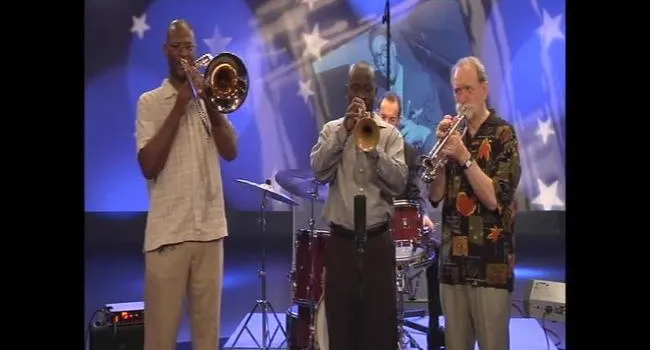
The group discusses Dizzy Gillespie’s legacy, and what he meant to them, as a teacher, musician, and human being. Here, the song “Birks Works” is played by Charlton Singleton.
 Dizzy Gillespie: Influence In Music | Carolina Stories 5

Video

Grades

  • 5
  • 6
  • 7
  • 8
  • 9
  • 10
  • 11
  • 12
  • Higher Education
Dizzy Gillespie: Influence In Music | Carolina Stories
Episode 5
Dick Goodwin returns to talk with the group about Dizzy Gillespie’s personality, and how Dizzy was able to influence an entire generation’s interest in this style of music, with his motivation, and...
Jail, No Bail: Ernest J. Finney | Carolina Stories
   - Episode 4 Jail, No Bail: February 12, 1960 | Carolina Stories 2

Video

Grades

  • 6
  • 7
  • 8
  • 9
  • 10
  • 11
  • 12
  • Higher Education
Jail, No Bail: February 12, 1960 | Carolina Stories
Episode 2
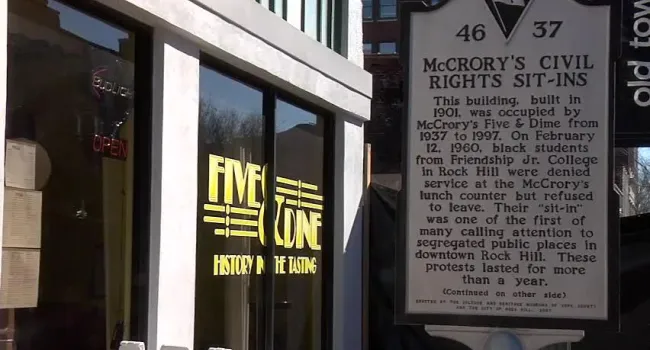
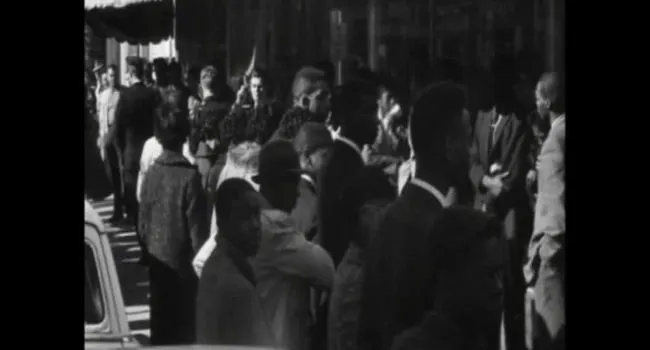
If Rock Hill was a war-zone, the most pivotal battle was February 12, 1960. For months before that date, local churches, students, and members of the NAACP planned a mass sit-in protest at lunch...
Jail, No Bail: Ernest J. Finney | Carolina Stories
   - Episode 4 Jail, No Bail: Introduction | Carolina Stories 1

Video

Grades

  • 6
  • 7
  • 8
  • 9
  • 10
  • 11
  • 12
  • Higher Education
Jail, No Bail: Introduction | Carolina Stories
Episode 1
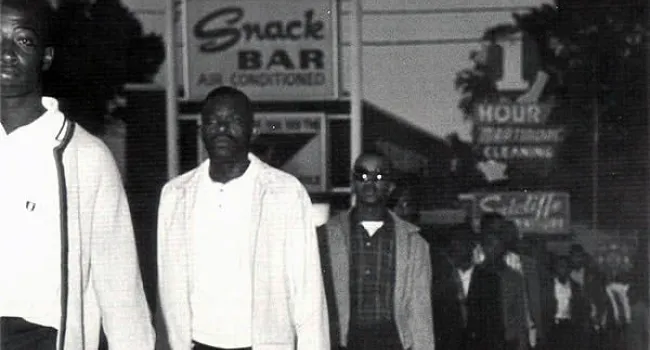
In the 1950s and 1960s, Rock Hill, South Carolina, was a thriving mill town, also known as “The Gateway to the Carolinas.” Like most of the segregated South, there were two separate worlds: one black...
Jail, No Bail: Ernest J. Finney | Carolina Stories
   - Episode 4 Jail, No Bail: "Jail, No Bail" | Carolina Stories 3

Video

Grades

  • 6
  • 7
  • 8
  • 9
  • 10
  • 11
  • 12
  • Higher Education
Jail, No Bail: "Jail, No Bail" | Carolina Stories
Episode 3
By the summer of 1960, civil rights leaders began to question the effectiveness of these “sit-ins.” Thomas Gaither, a field secretary for CORE (Congress of Racial Equality), along with other civil...
Jail, No Bail: Ernest J. Finney | Carolina Stories
   - Episode 4 Jail, No Bail: Life In Prison | Carolina Stories 5

Video

Grades

  • 6
  • 7
  • 8
  • 9
  • 10
  • 11
  • 12
  • Higher Education
Jail, No Bail: Life In Prison | Carolina Stories
Episode 5
Life in jail for the student prisoners was grueling. News of these “jail-ins” had reached other civil rights groups, and caught the attention of SNCC (Student Non-violent Coordinating Committee). SNCC...
Jail, No Bail: Ernest J. Finney | Carolina Stories
   - Episode 4 Jail, No Bail: March 2, 1961| Carolina Stories 6

Video

Grades

  • 6
  • 7
  • 8
  • 9
  • 10
  • 11
  • 12
  • Higher Education
Jail, No Bail: March 2, 1961| Carolina Stories
Episode 6
The student prisoners were finally released, after serving twenty eight days, on March 2, 1961. The prisoners were released early, since prison officials wanted to keep publicity down. The success of...

 Jail, No Bail: Ernest J. Finney | Carolina Stories 4

Video

Grades

  • 6
  • 7
  • 8
  • 9
  • 10
  • 11
  • 12
  • Higher Education
Jail, No Bail: Ernest J. Finney | Carolina Stories
Episode 4
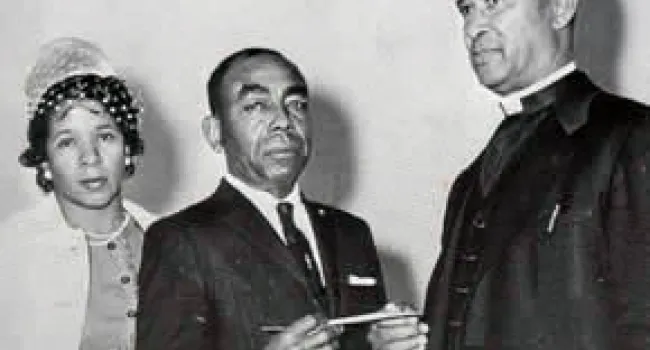
Rev. Ivory, and James McCain, the South Carolina leader of CORE, arranged for a sharp, young attorney to represent and defend the student protesters: Ernest J. Finney. Finney would later on become the...
 The

Audio

Grades

  • 6
  • 7
  • 8
  • 9
  • 10
  • 11
  • 12
The "Colored" State Fairs | Walter Edgar's Journal
Episode 5
With the integration of Jim Crow laws in the 1890’s, there was the integration of the “Colored State Fair.” Dr. Stroup discusses the history of the “Colored State Fairs”, and how different factions...
Columbia All-Stars | History Of SC Slide Collection

Photo

Grades

  • 3
  • 4
  • 5
  • 6
  • 7
  • 8
  • 9
  • 10
  • 11
  • 12
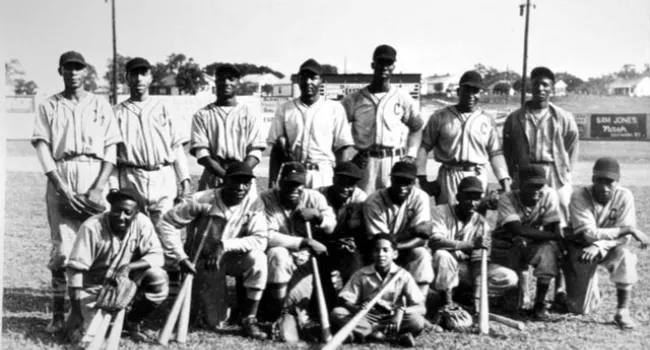
Columbia All-Stars | History Of SC Slide Collection
Episode 6
The Columbia All-Stars were an African-American professional baseball team. Photo by Walter Livingston Blanchard, ca. 1920. Courtesy of the South Caroliniana Library.
Plat Map Of Camden | History Of SC Slide Collection

Photo

Grades

  • 3
  • 4
  • 5
  • 6
  • 7
  • 8
  • 9
  • 10
  • 11
  • 12
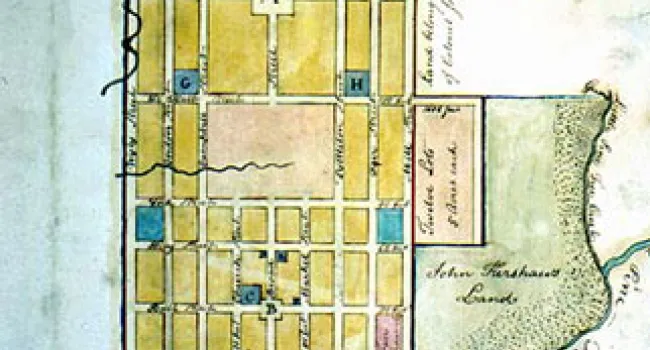
Plat Map Of Camden | History Of SC Slide Collection
Episode 3
The town of Camden was one of the first official settlements to be laid out in the interior of South Carolina in the 1730s. Settlers flooded into the backcountry during the quarter century of peace...
 When Rice Was King (12): Slave Treatment And Resistance 12

Video

Grades

  • 3
  • 4
  • 5
  • 6
  • 7
  • 8
  • 9
  • 10
  • 11
  • 12
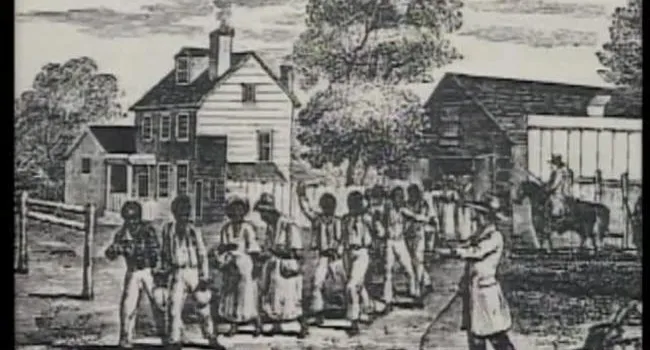
When Rice Was King (12): Slave Treatment And Resistance
Episode 12
Plantation owners demanded more than just obedience from their slaves. They also demanded things like loyalty, respect, love, and duty. Whippings, and solitary confinement, were common punishments for...
 When Rice Was King (7): Georgetown 7

Video

Grades

  • 3
  • 4
  • 5
  • 6
  • 7
  • 8
  • 9
  • 10
  • 11
  • 12
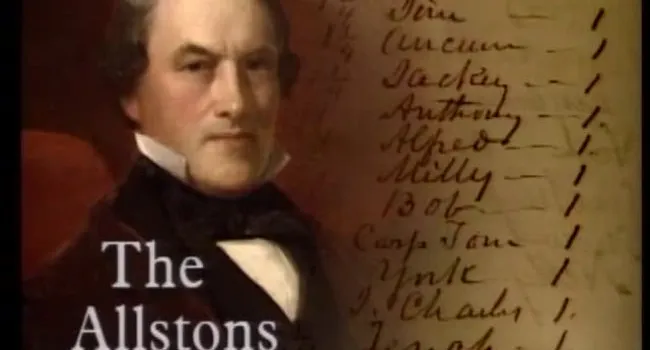
When Rice Was King (7): Georgetown
Episode 7
By 1800, Georgetown was known as the land where planters all made fortunes with rice plantations. In 1839, Georgetown alone produced nearly half of America's Rice.