Jail, No Bail: February 12, 1960 | Carolina Stories - Episode 2

Kaltura

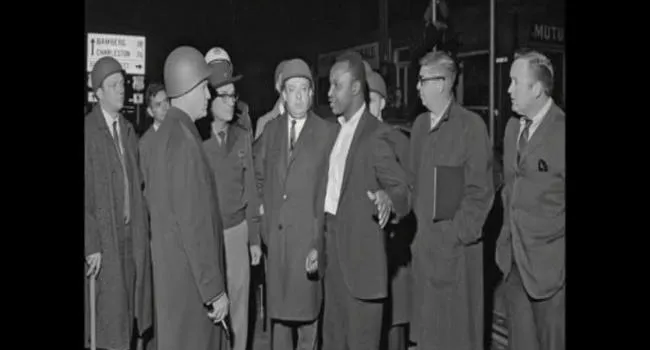
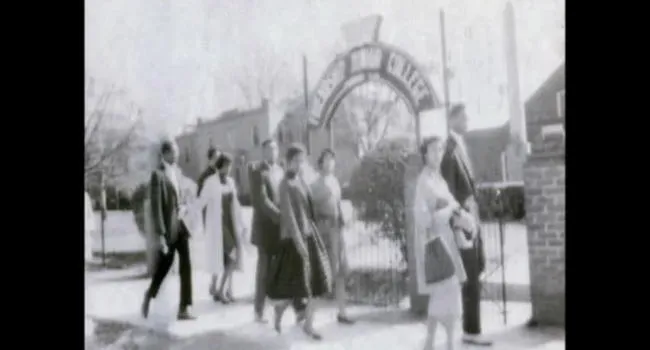
If Rock Hill was a war-zone, the most pivotal battle was February 12, 1960. For months before that date, local churches, students, and members of the NAACP planned a mass sit-in protest at lunch counters throughout the town.  Protests by whites ensued, and as a result of the protest, the lunch-counters countered the sit-in by shutting down, and refusing to serve.  The sit-in was successful, and gave African Americans a small taste of victory.

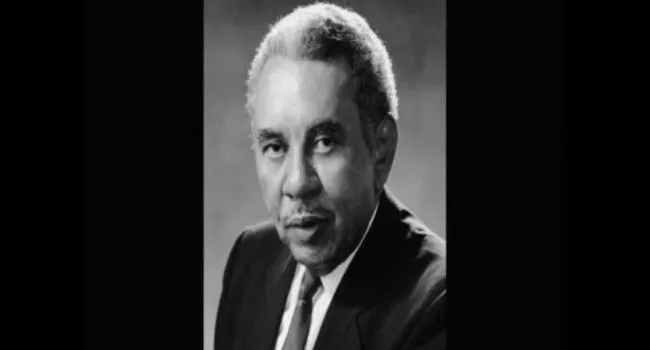
Leading the Rock Hill movement was a minister named Reverend Cecil Ivory, a proponent of using non-violent tactics to combat segregation. For Rev. Ivory, the Friendship College students were his foot-soldiers. There were various socio-economic reasons why more young people joined the movements compared to adults.  


More in this Series

Carolina Stories / Jail, No Bail

 Jail, No Bail: Introduction | Carolina Stories 1

Video

Grades

  • 6
  • 7
  • 8
  • 9
  • 10
  • 11
  • 12
  • Higher Education
Jail, No Bail: Introduction | Carolina Stories
Episode 1
In the 1950s and 1960s, Rock Hill, South Carolina, was a thriving mill town, also known as “The Gateway to the Carolinas.” Like most of the segregated South, there were two separate worlds: one black...
 Jail, No Bail: "Jail, No Bail" | Carolina Stories 3

Video

Grades

  • 6
  • 7
  • 8
  • 9
  • 10
  • 11
  • 12
  • Higher Education
Jail, No Bail: "Jail, No Bail" | Carolina Stories
Episode 3
By the summer of 1960, civil rights leaders began to question the effectiveness of these “sit-ins.” Thomas Gaither, a field secretary for CORE (Congress of Racial Equality), along with other civil...
Jail, No Bail: Introduction | Carolina Stories
   - Episode 1 Jail, No Bail: Ernest J. Finney | Carolina Stories 4

Video

Grades

  • 6
  • 7
  • 8
  • 9
  • 10
  • 11
  • 12
  • Higher Education
Jail, No Bail: Ernest J. Finney | Carolina Stories
Episode 4
Rev. Ivory, and James McCain, the South Carolina leader of CORE, arranged for a sharp, young attorney to represent and defend the student protesters: Ernest J. Finney. Finney would later on become the...
 Jail, No Bail: Life In Prison | Carolina Stories 5

Video

Grades

  • 6
  • 7
  • 8
  • 9
  • 10
  • 11
  • 12
  • Higher Education
Jail, No Bail: Life In Prison | Carolina Stories
Episode 5
Life in jail for the student prisoners was grueling. News of these “jail-ins” had reached other civil rights groups, and caught the attention of SNCC (Student Non-violent Coordinating Committee). SNCC...
 Jail, No Bail: March 2, 1961| Carolina Stories 6

Video

Grades

  • 6
  • 7
  • 8
  • 9
  • 10
  • 11
  • 12
  • Higher Education
Jail, No Bail: March 2, 1961| Carolina Stories
Episode 6
The student prisoners were finally released, after serving twenty eight days, on March 2, 1961. The prisoners were released early, since prison officials wanted to keep publicity down. The success of...