African American History

Learn about the achievements of African Americans who have shaped South Carolina and American history.

Black History Month is celebrated every February to honor the achievements of African Americans who have shaped American history. Historian Carter G. Woodson hoped to raise awareness of African American's contributions to civilization by establishing Negro History Week. The event was first celebrated during a week in February 1926 that included both Abraham Lincoln and Frederick Douglass' birthdays. The week was later expanded to a month in 1976 during the United States bicentennial.

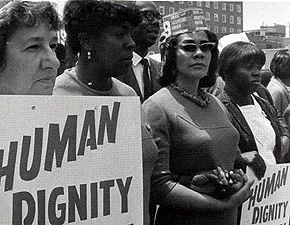
PHOTO: On March 20, 1969, Black hospital workers at the Medical College of South Carolina in Charleston went on strike to protest the firing of twelve employees and to call for higher wages and union recognition.
Within this Collection

Content Type
 When Rice Was King (6): Tidal Irrigation 6

Video

Grades

  • 3
  • 4
  • 5
  • 6
  • 7
  • 8
  • 9
  • 10
  • 11
  • 12
When Rice Was King (6): Tidal Irrigation
Episode 6
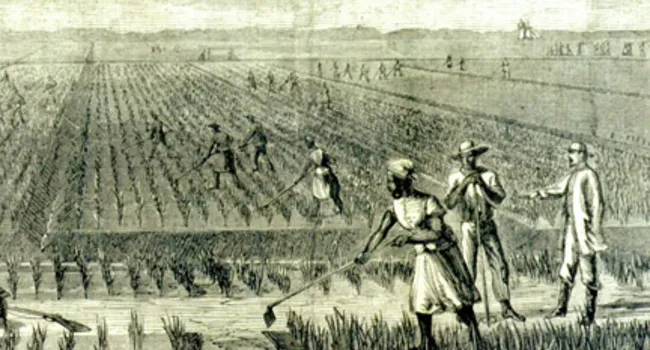
Planters made the transition from swamp based rice-growing, to using tidal irrigation. With tidal irrigation, planters used a series of dikes and dams to control the flow of water into rice fields.

 When Rice Was King (11): Dangers To The Rice Crop 11

Video

Grades

  • 3
  • 4
  • 5
  • 6
  • 7
  • 8
  • 9
  • 10
  • 11
  • 12
When Rice Was King (11): Dangers To The Rice Crop
Episode 11
Several dangers to rice crops included hurricanes, floods from the mountains, and swollen rivers. Damage ranged from minor, to total devastation. Animals, such as rice weevils, crows, and ducks, also...


 When Rice Was King: Intro 1

Video

Grades

  • 8
When Rice Was King: Intro
Episode 1
Before the American Revolution, the 300 mile coast line of South Carolina was known as the "Kingdom of Rice." Charleston was considered the richest city in Colonial America.
 When Rice Was King (14): Decline Of Rice Economy 14

Video

Grades

  • 3
  • 4
  • 5
  • 6
  • 7
  • 8
  • 9
  • 10
  • 11
  • 12
When Rice Was King (14): Decline Of Rice Economy
Episode 14
The Civil War marked the beginning of the decline of rice in South Carolina. Although planters continued growing rice during the Civil War, Georgetown experienced an economic down-turn as a result of...
 When Rice Was King (10): Slave Lifestyle 10

Video

Grades

  • 3
  • 4
  • 5
  • 6
  • 7
  • 8
  • 9
  • 10
  • 11
  • 12
When Rice Was King (10): Slave Lifestyle
Episode 10
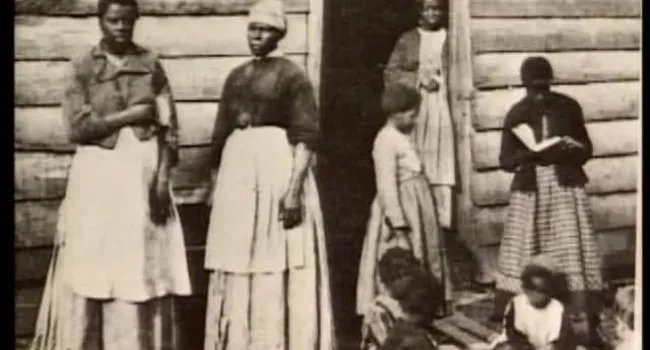
An essay called "The Successful Planter," published in 1832, outlined a system of every day life for slaves living on plantations. State law in the 1830s forbade the education of slaves, but many...
 When Rice Was King (5): African Origins Of Rice 5

Video

Grades

  • 3
  • 4
  • 5
  • 6
  • 7
  • 8
  • 9
  • 10
  • 11
  • 12
When Rice Was King (5): African Origins Of Rice
Episode 5
"Saltwater Slaves" brought over from Africa, became highly sought-after, since many of them already had experience growing rice before being brought over to the "New World."
 A Time to Fight, Part 7 7

Video

Grades

  • 5
  • 8
  • 9
  • 10
  • 11
  • 12
A Time to Fight, Part 7
Episode 7
The Tuskegee Airmen were African-American pilots during WWII. Before the war, the Army thought African-Americans could only be used as laborers. African-Americans faced all sorts of prejudice and...
 Supply And Demand For Cotton  | Walter Edgar's Journal

Audio

Grades

  • 6
  • 7
  • 8
  • 9
  • 10
  • 11
  • 12
Supply And Demand For Cotton | Walter Edgar's Journal
Episode 6
With the success of cotton in South Carolina, entrepreneurs in other states looked to cash in on the success of cotton plantations. When the cotton economy and market-shares begin to decline in S.C...
 The Rise Of Cotton In SC | Walter Edgar's Journal

Audio

Grades

  • 6
  • 7
  • 8
  • 9
  • 10
  • 11
  • 12
The Rise Of Cotton In SC | Walter Edgar's Journal
Episode 5
With the invention of the “Cotton Gin” by Eli Whitney, combined with methods we would today call “scientific plant breeding,” the cotton industry boomed in South Carolina, in the early 19th century...
 South Carolina's Economy In 1763 | Walter Edgar's Journal

Audio

Grades

  • 6
  • 7
  • 8
  • 9
  • 10
  • 11
  • 12
South Carolina's Economy In 1763 | Walter Edgar's Journal
Episode 1
In this first segment on ‘The Importance of Cotton,’ Dr. Peter Coclanis gives us a brief overview of South Carolina’s economic landscape, pre-Revolutionary War (1763). Before the American Revolution...
 The Heyward Brothers | Walter Edgar's Journal

Audio

Grades

  • 6
  • 7
  • 8
  • 9
  • 10
  • 11
  • 12
The Heyward Brothers | Walter Edgar's Journal
Episode 3
In this segment, Walter Edgar discusses the Heyward Brothers, and their method of digging “rice dikes” for growing rice. The Heyward Brothers are seen as the pioneers of the tidal cultivation in South...
Management Of Slaves | Walter Edgar's Journal
 - Episode 5 South Carolina's Slave Codes | Walter Edgar's Journal

Audio

Grades

  • 6
  • 7
  • 8
  • 9
  • 10
  • 11
  • 12
South Carolina's Slave Codes | Walter Edgar's Journal
Episode 4
Dr. Watson outlines the South Carolina Slave Code, originating with the 1740 “Negro Act.” The code is the system of etiquette for slave life, and penalties for various offenses.
 The Domestic Slave Trade | Walter Edgar's Journal

Audio

Grades

  • 6
  • 7
  • 8
  • 9
  • 10
  • 11
  • 12
The Domestic Slave Trade | Walter Edgar's Journal
Episode 3
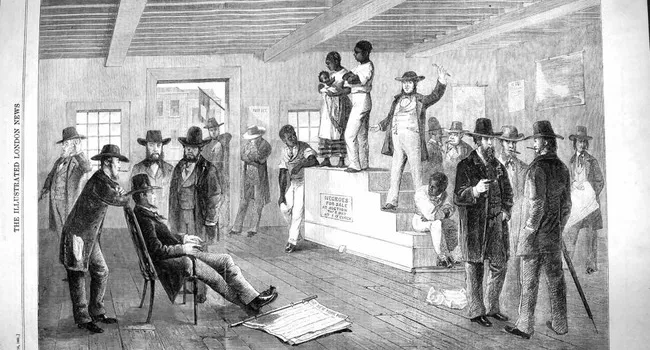
Dr. Larry Watson discusses the reasons why, between 1787 and 1803, South Carolina forbade the importation of new slaves. This resulted in the rise of the domestic slave trade in the Southern U.S.