The Winnsboro Railroad | Project Discovery Revisited

Kaltura

Without railroads, South Carolina would not have been developed. Many towns around Columbia and Florence were established because of train access. Coat trains, which consist of 100 cars, can carry an amount equal to 300 semitrailers.

Winnsboro, South Carolina, is the home of the South Carolina Railroad Museum. The Rockton-Rion Train Company is the line featured at the museum. Originally, the trains were a static display in Charleston, but the museum has laid three and a half miles of track on which the train now runs. Operated to move blue granite, the Rockton-Rion was the last company to use steam.

Visitors to the museum, which is operated by volunteers and encourages membership, can tour the inside of the cars. The displays include a 100-ton locomotive, built by the military in 1953 to carry supplies. The caboose is a favorite among train lovers. Its purpose was to sleep and house offices for the workers aboard the train. The Northport Executive Car was fully equipped with a bath, a kitchen, and sleeping quarters. A chef and a secretary traveled with dignitaries who rode in the Executive Car. The U.S. mail was part of the Seaboard Coastline. Protected by armed officers, people working in the mail car sorted the mail, dropped it off, and picked it up. Also on display at the museum are a baggage car and a passenger car. One of the most historic cars on display was one used to haul gravel.

Knuckles, which were invented over 100 years ago, are 50-pound pieces of iron used to join train cars together. Tie plates hold the track to the ground with machine-driven spikes. Hickeys, cubed pieces of blue granite, were used by train workers to build structures like fences.

Engineers run the locomotive. Sensors alert them if anything is wrong with the train. Conductors are in charge of everything on board, such as ensuring safety, blowing the whistle at crossings, and stopping and starting the train.

Without railroads, South Carolina would not have been developed. Many towns around Columbia and Florence were established because of train access. Coat trains, which consist of 100 cars, can carry an amount equal to 300 semitrailers.

Winnsboro, South Carolina, is the home of the South Carolina Railroad Museum. The Rockton-Rion Train Company is the line featured at the museum. Originally, the trains were a static display in Charleston, but the museum has laid three and a half miles of track on which the train now runs. Operated to move blue granite, the Rockton-Rion was the last company to use steam.

Visitors to the museum, which is operated by volunteers and encourages membership, can tour the inside of the cars. The displays include a 100-ton locomotive, built by the military in 1953 to carry supplies. The caboose is a favorite among train lovers. Its purpose was to sleep and house offices for the workers aboard the train. The Northport Executive Car was fully equipped with a bath, a kitchen, and sleeping quarters. A chef and a secretary traveled with dignitaries who rode in the Executive Car. The U.S. mail was part of the Seaboard Coastline. Protected by armed officers, people working in the mail car sorted the mail, dropped it off, and picked it up. Also on display at the museum are a baggage car and a passenger car. One of the most historic cars on display was one used to haul gravel.

Knuckles, which were invented over 100 years ago, are 50-pound pieces of iron used to join train cars together. Tie plates hold the track to the ground with machine-driven spikes. Hickeys, cubed pieces of blue granite, were used by train workers to build structures like fences.

Engineers run the locomotive. Sensors alert them if anything is wrong with the train. Conductors are in charge of everything on board, such as ensuring safety, blowing the whistle at crossings, and stopping and starting the train.

More in this Series

Project Discovery Revisited

Colonial Williamsburg, Part 1 | Project Discovery Revisited Around Alone, Part 1 | Project Discovery Revisited

Video

Grades

  • 3
  • 4
  • 5
  • 6
  • 7
  • 8
Around Alone, Part 1 | Project Discovery Revisited
A race around the world . . . in a boat 40 to 60 feet in length . . . ALONE. This event, which began in 1982, occurs every four years and starts in Charleston, South Carolina. The course consists of...
 Around Alone, Part 2 | Project Discovery Revisited

Video

Grades

  • 3
Around Alone, Part 2 | Project Discovery Revisited
Students at Laing Middle School followed the progress of the race. They used the Internet to track the skippers. They learned about oceans, stopovers, satellite photography, weather, geography, and...
Colonial Williamsburg, Part 1 | Project Discovery Revisited Avery Research Center | Project Discovery Revisited

Video

Grades

  • 4
  • 8
Avery Research Center | Project Discovery Revisited
Charleston, South Carolina, is a city rich in African American culture. Sullivan’s Island, once an entry port from Africa for the slave trade, was considered the gateway to the United States. The...
Colonial Williamsburg, Part 1 | Project Discovery Revisited Charlesfort | Project Discovery Revisited

Video

Grades

  • 4
  • 6
  • 8
Charlesfort | Project Discovery Revisited
Archaeologists with the South Carolina Institute of Archaeology and Anthropology are working to uncover the site formerly known as Charlesfort, the settlement established by Huguenots seeking refuge...
Colonial Williamsburg, Part 1 | Project Discovery Revisited Fire Academy, Part 1 | Project Discovery Revisited

Video

Grades

  • Pre K
  • Kindergarten
  • 1
  • 2
  • 3
  • 4
  • 5
  • 6
  • 7
  • 8
Fire Academy, Part 1 | Project Discovery Revisited
At the South Carolina Fire Academy, we learn what it takes to become a firefighter. This 208-acre facility contains classrooms, drill towers, a fire station, equipment storage, and teacher offices...
Research Vessel Palmetto, Part 1 | Project Discovery Revisited Fire Academy, Part 2 | Project Discovery Revisited

Video

Grades

  • Pre K
  • Kindergarten
  • 1
  • 2
  • 3
  • 4
  • 5
  • 6
  • 7
  • 8
Fire Academy, Part 2 | Project Discovery Revisited
Students begin their fire training in a Class A combustible burn building. They learn what fire is and how it burns. In a flashover, flames go from the floor to the ceiling. Breathing is done through...
Colonial Williamsburg, Part 1 | Project Discovery Revisited H.L. Hunley Discovered | Project Discovery Revisited

Video

Grades

  • 4
  • 8
H.L. Hunley Discovered | Project Discovery Revisited
The H. L. Hunley was a product of the pre-Civil War Industrial Revolution. Submersibles, torpedoes, and shells were also innovations of the 1860s. James McClintock and Baxter Watson built the Hunley...
 Horse Training Center | Project Discovery Revisited

Video

Grades

  • 3
  • 4
  • 5
  • 6
  • 7
  • 8
Horse Training Center | Project Discovery Revisited
In Project Discovery Revisited: A Horse Training Center, several aspects of horses are explored. On a visit to the riding stables, horseback riding lessons are explained as well as how to train the...
Colonial Williamsburg, Part 1 | Project Discovery Revisited Kings Mountain | Project Discovery Revisited

Video

Grades

  • 3
  • 4
  • 5
  • 6
  • 7
  • 8
Kings Mountain | Project Discovery Revisited
Kings Mountain was the site of an important battle of the Revolutionary War. The British were defeated and started a retreat to Yorktown, where they eventually lost the war, giving the 13 colonies...
Colonial Williamsburg, Part 1 | Project Discovery Revisited Medieval Times, Part 1 | Project Discovery Revisited

Video

Grades

  • 6
  • 7
  • 8
Medieval Times, Part 1 | Project Discovery Revisited
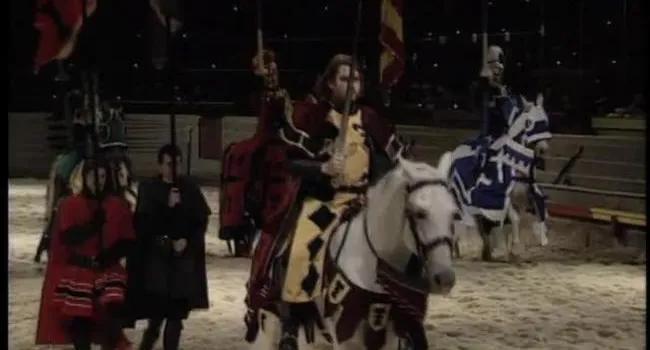
Part 1 of this program takes the viewer into the early part of the period from the end of classical civilization to the revival of the learning in the West. Visitors return to the Dark Ages as they...
Colonial Williamsburg, Part 1 | Project Discovery Revisited Medieval Times, Part 2 | Project Discovery Revisited

Video

Grades

  • 6
  • 7
  • 8
Medieval Times, Part 2 | Project Discovery Revisited
A behind-the-scenes look at this production shows that the costumes are more elaborate than the clothing worn in the Middle Ages. The actors spend a great deal of time practicing, preparing equipment...
Charlesfort | Project Discovery Revisited Meeting Big Backyard Monsters | Project Discovery Revisited

Video

Grades

  • Pre K
  • Kindergarten
  • 1
  • 2
  • 3
  • 4
  • 5
  • 6
  • 7
  • 8
Meeting Big Backyard Monsters | Project Discovery Revisited
The creatures at the South Carolina State Museum are big monsters found in your backyard. Because the bugs are much larger than the actual insects, details, as seen from the perspective of their prey...
Colonial Williamsburg, Part 1 | Project Discovery Revisited Mount Vernon | Project Discovery Revisited

Video

Grades

  • 3
  • 4
  • 5
Mount Vernon | Project Discovery Revisited
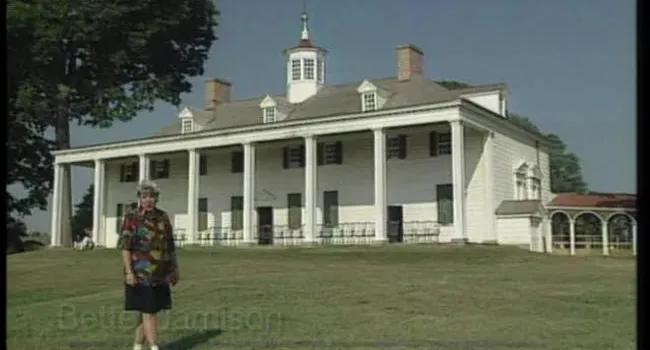
Project Discovery Revisted: George Washington's Mount Vernon explores Mount Vernon. Students learn what there is to do at Mount Vernon. The farming life of Washington is portrayed. Students learn the...
Charlesfort | Project Discovery Revisited New York Stock Exchange | Project Discovery Revisited

Video

Grades

  • 9
  • 10
  • 11
  • 12
New York Stock Exchange | Project Discovery Revisited
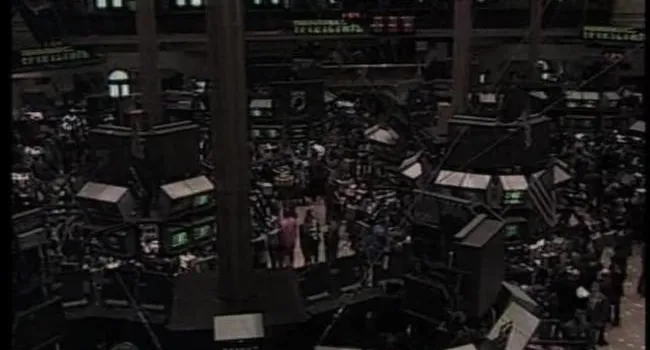
The New York Stock Exchange is the largest stock market in the world. Approximately 2,300 companies belong to this market in which over 6 billion shares of stock are traded every day. In 1792, the...
Charlesfort | Project Discovery Revisited Nutcracker | Project Discovery Revisited

Video

Grades

  • 3
  • 4
  • 5
  • 6
  • 7
  • 8
Nutcracker | Project Discovery Revisited
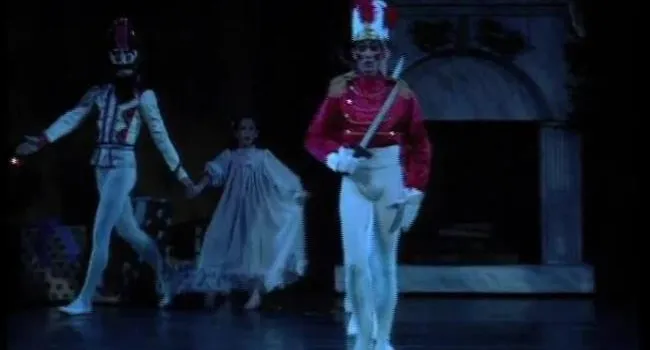
Every December, the Columbia City Ballet performs The Nutcracker ballet. The story was written by E. T. A. Hoffman, with music composed by Tschaikovsky. This ballet masterpiece has become one of the...
Colonial Williamsburg, Part 1 | Project Discovery Revisited Riverbanks Zoo | Project Discovery Revisited

Video

Grades

  • Pre K
  • Kindergarten
  • 1
  • 2
  • 3
  • 4
  • 5
Riverbanks Zoo | Project Discovery Revisited
Riverbanks Zoo and Botanical Garden in Columbia, South Carolina, is one of the leading zoos in the country. When Project Discovery visited this zoo, animals from apes to zebras were on display. The...
 S.C. Aquarium, Part 1 | Project Discovery Revisited

Video

Grades

  • 3
  • 4
  • 5
  • 6
  • 7
  • 8
S.C. Aquarium, Part 1 | Project Discovery Revisited
The South Carolina Aquarium, located in Charleston, South Carolina, is an impressive place to visit. Operated by a nonprofit organization, the aquarium is 40th in size and fifth in biodiversity. A...
 S.C. Aquarium, Part 2 | Project Discovery Revisited

Video

Grades

  • 3
  • 4
  • 5
  • 6
  • 7
  • 8
S.C. Aquarium, Part 2 | Project Discovery Revisited
Food preparation for the many animals at the aquarium takes time. The songbirds eat different foods than the predatory birds. Some of the foods eaten by the birds include apples, peas, meal, carrots...
Butterflies at Riverbanks Zoo | Project Discovery Revisited S.C. State House, Part 1 | Project Discovery Revisited

Video

Grades

  • 4
  • 8
S.C. State House, Part 1 | Project Discovery Revisited
In the 1990s, the South Carolina legislature voted to set aside funding for some much-needed renovations to the state’s capitol building. To bring the building up to today’s standards, and to protect...
Colonial Williamsburg, Part 1 | Project Discovery Revisited Shores & Sea Creatures  | Project Discovery Revisited

Video

Grades

  • 3
  • 4
  • 5
Shores & Sea Creatures | Project Discovery Revisited
The southeastern coast of the United States is dotted with many barrier islands -- long narrow strips of land that protect the salt marsh behind them and the land itself. In South Carolina, one of...
Colonial Williamsburg, Part 1 | Project Discovery Revisited Snakes, Snakes, Snakes | Project Discovery Revisited

Video

Grades

  • 3
  • 4
  • 5
  • 6
  • 7
  • 8
Snakes, Snakes, Snakes | Project Discovery Revisited
When the Museum of York County had a special exhibit on snakes, the Project Discovery crew visited the exhibit with naturalist Rudy Mancke of PBS’s NatureScene. There are many myths about snakes, most...
Charlesfort | Project Discovery Revisited Space Camp | Project Discovery Revisited

Video

Grades

  • 6
  • 7
  • 8
Space Camp | Project Discovery Revisited
Space Camp is a popular camp for children who dream of going into space. The Project Discovery crew visited the Space Camp in Huntsville, Alabama. The purpose of the camp is to use the excitement of...