This indicator was designed to encourage inquiry into the geographic and human factors that contributed to the development of South Carolina’s economic system. This indicator was also written to encourage inquiry into South Carolina’s distinct social and economic system as influenced by British Barbados.

Grade(s): 8

Subject(s): Social Studies

Year: 2019

Content Type
Chapter 3: The Snowbird Cherokee | Periscope

Photo

Grades

  • 3
  • 4
  • 5
  • 6
  • 7
  • 8
Chapter 3: The Snowbird Cherokee | Periscope
Episode 7
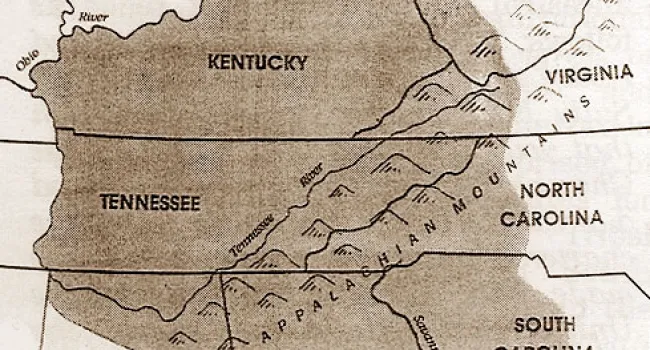
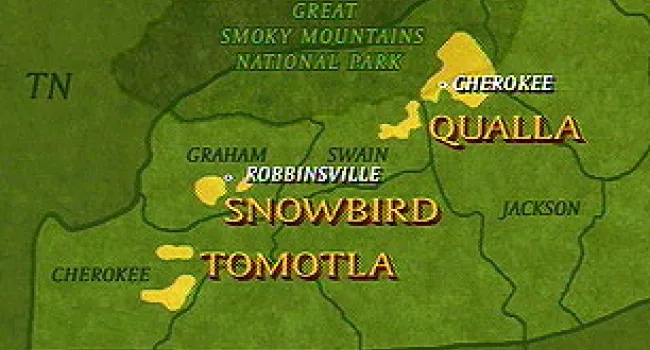
Only a few Cherokee escaped the Indian Removal Act. Those who remained found safe hiding places in the remote mountains and valleys of Appalachia. Today, the Snowbird community is home to many...
Diary of a Grain of Rice OR an Indigo Plant

Lesson

Grades

  • 8
Diary of a Grain of Rice OR an Indigo Plant

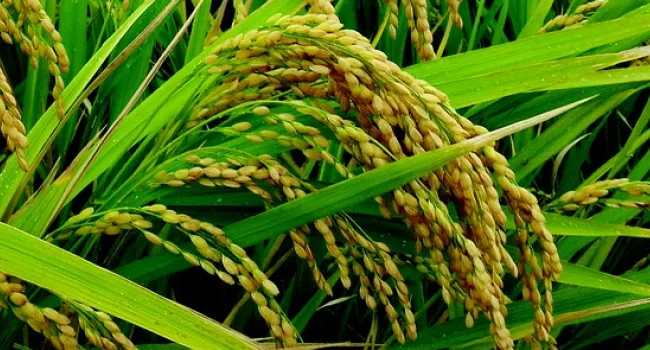
The mid-1700s saw the rise of plantations across the South and the move from sustenance to cash crops saw a greater dependence on slave labor. The labor-intensive, back-breaking work of planting and...

Cherokee Government, Trade & More | Periscope

Photo

Grades

  • 3
  • 4
  • 5
  • 6
  • 7
  • 8
Cherokee Government, Trade & More | Periscope
Episode 3
The Cherokee had a system of government, trade and a religious order. The Cherokee also had a capital city. In the 1700s, the capital of the Cherokee tribe was Echota, which means "a peaceful place."...
Chapter 1: The Early Cherokee | Periscope

Photo

Grades

  • 3
  • 4
  • 5
  • 6
  • 7
  • 8
Chapter 1: The Early Cherokee | Periscope
Episode 2
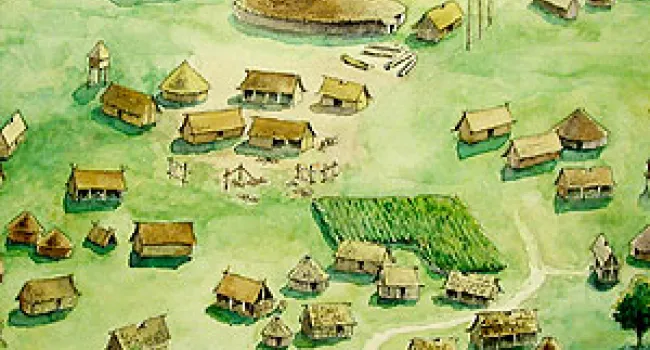
The group of Native Americans known as the Cherokee have lived in the southeastern United States for thousands of years. Their population at one time numbered over 20,000 people. Before the 1800s...
 Early Colonial Life | Conversations on SC History 4

Video

Grades

  • 4
  • 8
Early Colonial Life | Conversations on SC History
Episode 4
Noted South Carolina historian Dr. Walter Edgar discusses the key issues in SC History. Early Colonial Life is discussed in three lessons: English Speaking Settlers of SC Why do we have a North and...
 SC Economy | Palmetto Special

Video

Grades

  • 4
  • 8
  • 12
SC Economy | Palmetto Special
The lesson begins with a young man making an "economic decision" concerning the purchase of a pair of running shoes. The host defines economics beginning with, "Economics is that branch of the social...
 Gullah Culture

Video

Grades

  • 4
  • 8
Gullah Culture
Ron and Natalie Daise of Beaufort, South Carolina, share Negro Spirituals during their Gullah-based performance. This was excerpted from the full show, Gullah Culture.
 Gullah Culture | The Palmetto Special

Video

Grades

  • 4
  • 8
Gullah Culture | The Palmetto Special
With bridges from the islands to the mainland, the advent of radio and television, and the simple passage of time, this unique culture and language has been eroding. Ron and Natalie Daise of Beaufort...
SC Economy | Palmetto Special Rice Cultivation

Video

Grades

  • 4
  • 8
Rice Cultivation
Paul then leaves to check on some trucks at one of his plantations. There he visits two slaves, Tricia and John Judah, who describe for him the functional operation of the Trunk System. This was...
 Rice Cultivation | Palmetto Special

Video

Grades

  • 4
  • 8
Rice Cultivation | Palmetto Special
Three students take a field trip in "The Palmetto Special" as it travels from Columbia to Georgetown. After a brief stop at Poinsett State Park in Sumter County, the van arrives in Georgetown where...
SC Economy | Palmetto Special Charles Town | Palmetto Special

Video

Grades

  • 3
  • 4
  • 5
  • 6
  • 7
  • 8
Charles Town | Palmetto Special
A dramatic sequence is included in this wraparound. It is an analogy to the eight Lords Proprietors receiving the grant of Carolina from King Charles II. Five people gather for lunch to discuss a...
 Gullah Culture

Video

Grades

  • 4
  • 8
Gullah Culture
This is an excerpt from the full episode, Gullah Culture. Ron Daise shares the story, "Bring My Clock Back."
 Those Who Remain: Native Population 1

Video

Grades

  • 4
  • 5
  • 8
  • 11
Those Who Remain: Native Population
Episode 1
In this segment, Herb McAmis, an adopted member of the Edisto-Kusso-Natchez people of Dorchester and Colleton Counties, explains that some are genetic Indians and some are Indians in their hearts. He...
 Hewn Timber Cabins | Pee Dee Explorer

Video

Grades

  • 6
  • 7
  • 8
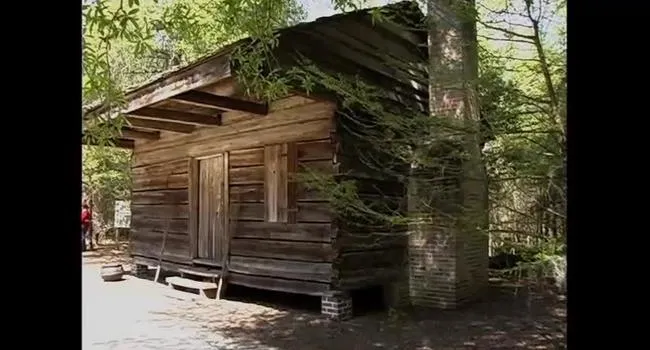
Hewn Timber Cabins | Pee Dee Explorer
Examine the life of African American slaves as Karl McAlister, Francis Marion University Librarian, takes us on a tour of the two remaining hewn timber cabins from the Gregg Plantation in Florence...
 Waccamaw People's Pow Wow | Pee Dee Explorer

Video

Grades

  • Pre K
  • Kindergarten
  • 1
  • 2
  • 6
  • 7
  • 8
Waccamaw People's Pow Wow | Pee Dee Explorer
At the 17th annual Waccamaw People's Festival in Aynor, S.C., Phil White Eagle, 2 nd Chief Judicial with the Waccamaw, describes the Pow Wow as a gathering in which not only tribal people attend, but...
 Eliza Pinckney | S.C. Hall of Fame

Video

Grades

  • 4
  • 8
Eliza Pinckney | S.C. Hall of Fame
Short biography of indigo planter and colonial entrepreneur Eliza Lucas Pinckney, another example of the enormous contribution the Pinckney family of South Carolina has made to the history of our...
 Avery Research Center | Project Discovery Revisited

Video

Grades

  • 4
  • 8
Avery Research Center | Project Discovery Revisited
Charleston, South Carolina, is a city rich in African American culture. Sullivan’s Island, once an entry port from Africa for the slave trade, was considered the gateway to the United States. The...