
The Salt Marsh

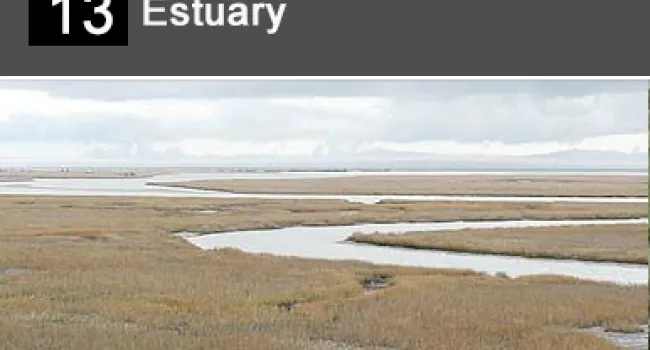
Salt marshes are found around the world, but the one you are about to tour can be found right here in South Carolina on the North American continent. Salt marshes are located only along the coast. This is because a salt marsh is an area that is flooded by saline (salty) water. The salt marshes are better developed as you move farther south in South Carolina.

Title:
Threats of the Marsh | The Salt Marsh

Photo

Grades: 6 7 8 9 10 11 12

Pesticides, manure, and fertilizers run off farm fields and enter the food chain of the marsh. Chemicals from factories are also added to the rivers and end up downstream in the salt marsh, where they...
Biomagnification | The Salt Marsh

Photo

Grades: 6 7 8 9 10 11 12

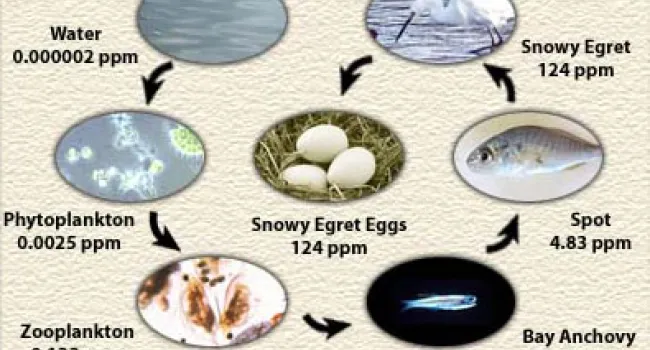
How can low levels of DDT in farm fields end up at high levels in ospreys? Several different pesticides, an example of which is DDT, can be biomagnified by the food chain. The pesticides are used to...
 Tides | The Salt Marsh
Tides | The Salt Marsh

Video

Grades: 6 7 8 9 10 11 12

Tides flood into the salt marsh twice a day and bring salty water from the sea. Then twice each day the tide ebbs and leaves the salt marsh high and dry. The tides are at their highest (and lowest)...
 Terrapin | The Salt Marsh
Terrapin | The Salt Marsh

Video

Grades: 6 7 8 9 10 11 12

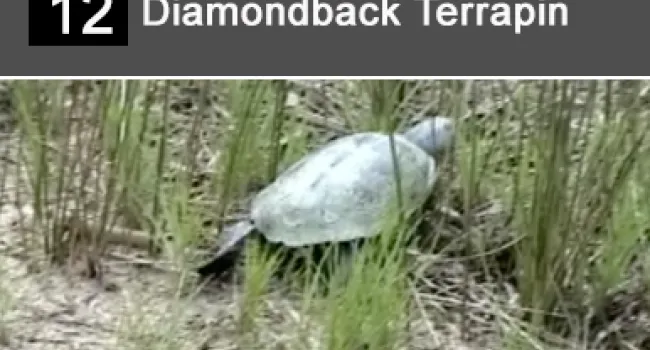
The upper surface of the terrapin's shell, called the carapace, is formed of 13 plates, or scutes. Each scute is roughly circular and grooved with rings. Since one ring is formed each year, the age of...
Tricolored Heron | The Salt Marsh

Photo

Grades: 6 7 8 9 10 11 12

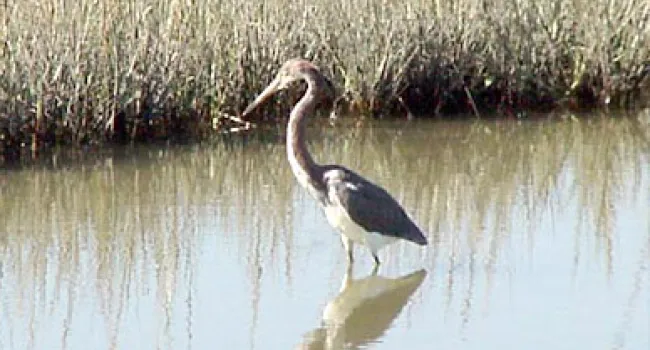
The tricolored heron is bluish on the back and wing, white on its belly and throat, and reddish-brown on the back of its neck and head. This medium-sized heron is the most common heron of the salt...
 Great Egret | The Salt Marsh
Great Egret | The Salt Marsh

Video

Grades: 6 7 8 9 10 11 12

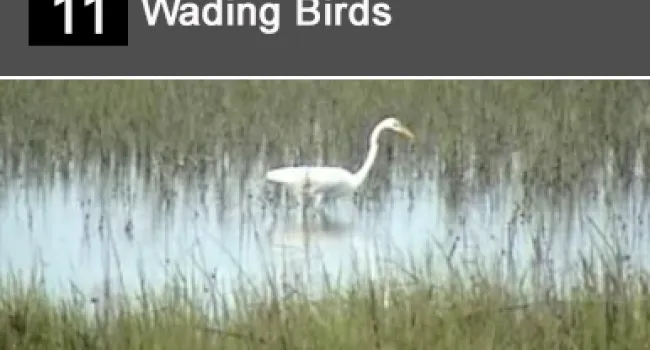
The great egret is a large white wading bird. Unlike the snowy egret, the great egret has a yellow bill and black legs and feet. This bird is the symbol of the National Audubon Society. Their long...
Oystercatchers | The Salt Marsh

Photo

Grades: 6 7 8 9 10 11 12

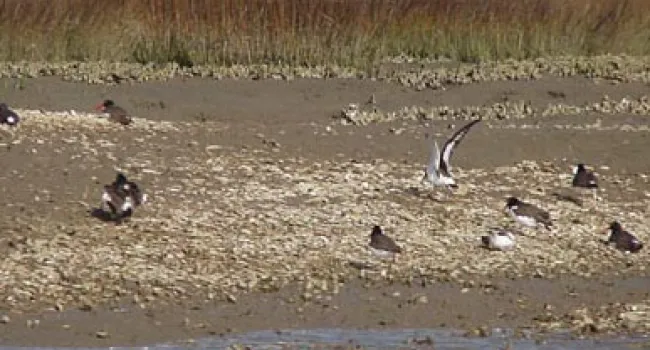
Boldly patterned in black and white, the stocky American oystercatcher is hard to mistake. It has long red legs and a large red bill. As the name suggests, they feed mainly on oysters, although they...
Annelid | The Salt Marsh

Photo

Grades: 6 7 8 9 10 11 12

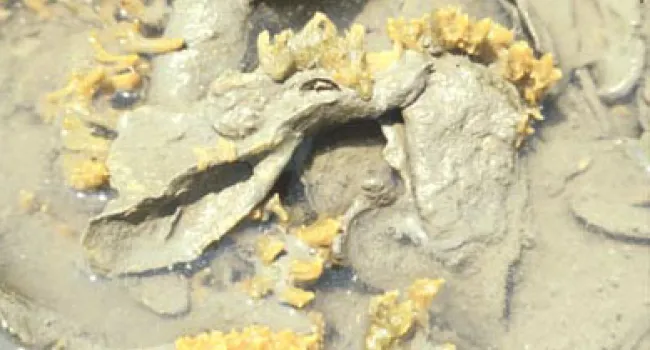
Several different annelids are associated with the oyster reef, but the spaghetti worm is one of the largest and most spectacular. The spaghetti worm lives in a burrow of mud that it builds among the...
Sun Sponge | The Salt Marsh

Photo

Grades: 6 7 8 9 10 11 12

The sun sponge is named for its unusual lifestyle. It is one of the very few sponges that can tolerate exposure to the sun and air. Nearly every other sponge will die when air gets into its body. Most...
Oysters | The Salt Marsh

Photo

Grades: 6 7 8 9 10 11 12

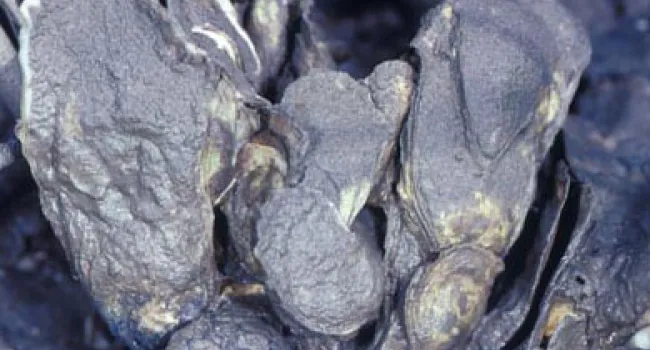
The Eastern oyster occurs along the entire East Coast, from Canada to the West Indies. It varies somewhat in habitat along this area. Oysters build reefs because the young oysters, called spat, are...
Copepods | The Salt Marsh

Photo

Grades: 6 7 8 9 10 11 12

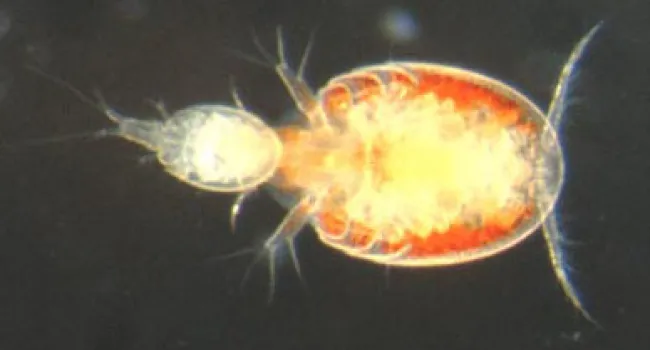
The most abundant animals in the plankton are copepods, such as the one pictured. As adults, they are less than 1 millimeter in length. The abundance and diversity of plankton species are highest in...
Fungi | The Salt Marsh

Photo

Grades: 6 7 8 9 10 11 12

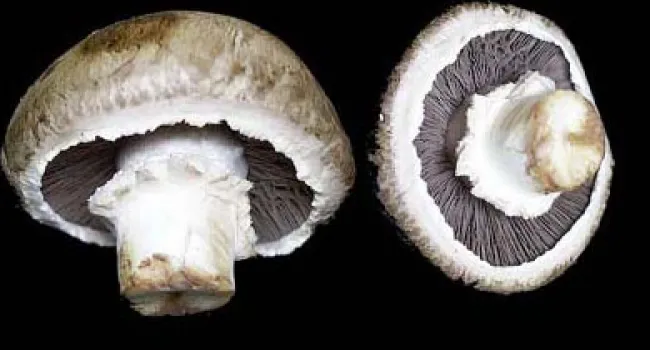
Fungi are the only kingdom of life not represented in the plankton. Bacteria have only recently been demonstrated to exist in great abundance as our sampling gear has improved enough to capture these...
Snowy Egret | The Salt Marsh

Photo

Grades: 6 7 8 9 10 11 12

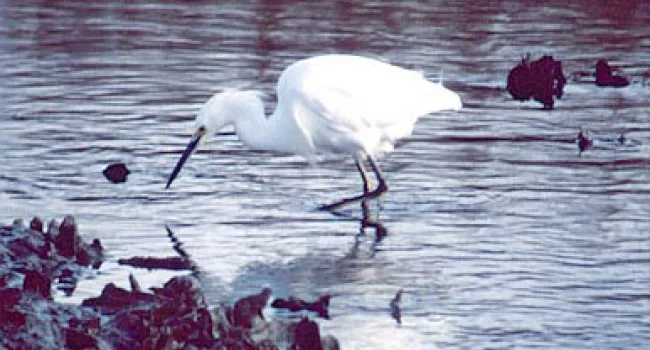
Snowy egrets are smaller versions of the great egret. They have white feathers, black legs with yellow feet, and a black bill. Snowies sometimes wade slowly through shallow water, stirring the mud...
Detritus | The Salt Marsh

Photo

Grades: 6 7 8 9 10 11 12

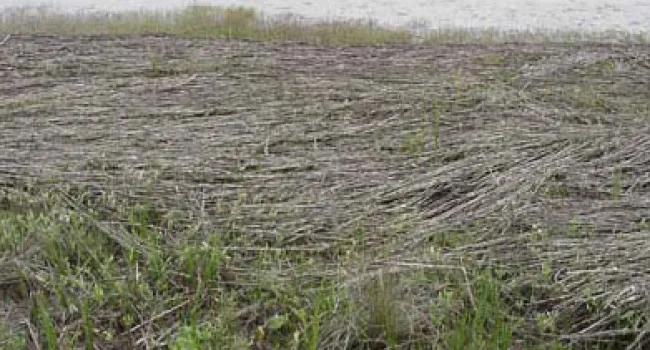
Detritus is the collection of dead stems of Spartina and other things that float. This combination of materials floats up in the marsh during high tides, and winds often drive it ashore, where it...
 Mud Snail | The Salt Marsh
Mud Snail | The Salt Marsh

Video

Grades: 6 7 8 9 10 11 12

The mud snail is black, with a very strong shell, and is about 1/2 inch in length. It is an effective scavenger and hundreds of snails will collect around a dead fish or shrimp bait until they...
 Crabbing & Fishing in the Marsh | The Salt Marsh
Crabbing & Fishing in the Marsh | The Salt Marsh

Video

Grades: 6 7 8 9 10 11 12

The salt marsh is home to many animals, including some that people like to eat. Blue crabs are often caught in wire boxes called crab pots. Shrimp grow from tiny larvae to big adults while they live...
Bay Anchovy | The Salt Marsh

Photo

Grades: 6 7 8 9 10 11 12

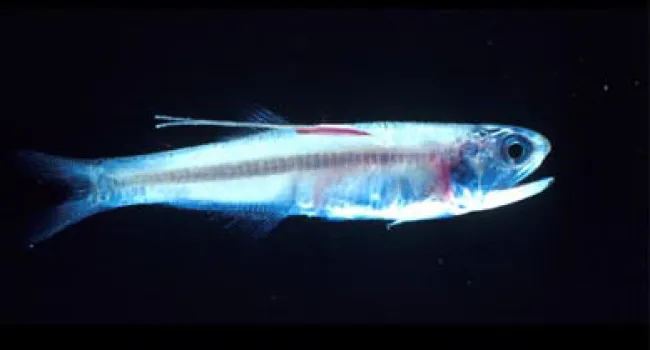
The bay anchovy is the most numerous fish in the estuaries of South Carolina. They are food to larger fish and to many birds. Anchovies are specialized to feed on plankton. They have a huge mouth and...
Spot & Croaker | The Salt Marsh

Photo

Grades: 6 7 8 9 10 11 12

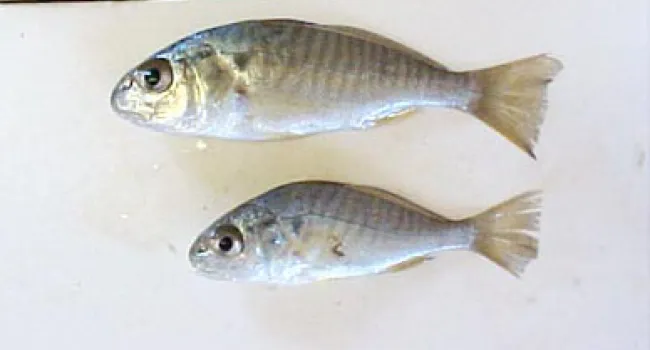
Spot and croaker are closely related fish. They look alike, with light vertical bands, but the spot is named for a dark spot just behind its gill cover. All members of this group of fish make noises...
Flounder | The Salt Marsh

Photo

Grades: 6 7 8 9 10 11 12

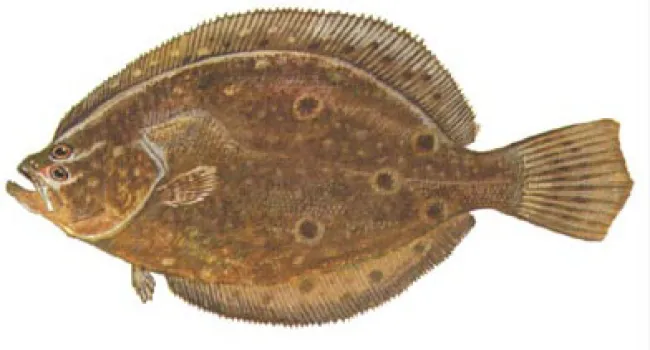
There are several species of flatfish that occur in South Carolina. These include flounder, soles, and tonguefish. The flatfish lie slightly buried on the bottom, where they wait for prey, such as...
Hard Clams | The Salt Marsh

Photo

Grades: 6 7 8 9 10 11 12

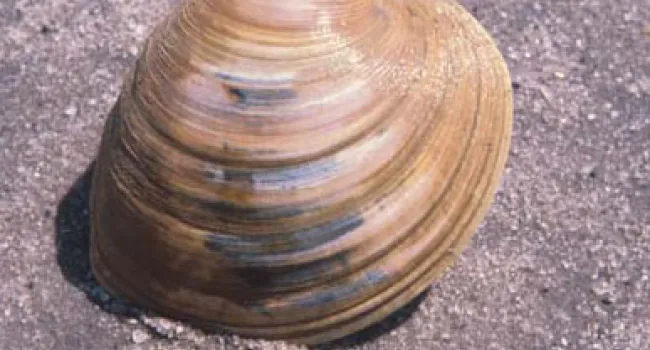
The hard clam, or quahog, is common along our coast. The clams are sold commercially as littleneck, cherrystone, or chowder clams, depending on size, with littlenecks about an inch in diameter and...
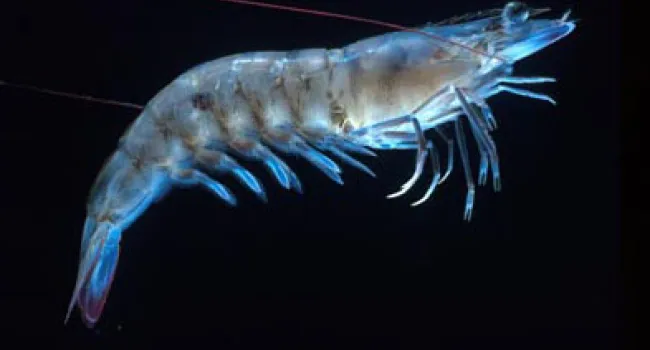
Shrimp | The Salt Marsh

Photo

Grades: 6 7 8 9 10 11 12

Three different species of shrimp are collected commercially from offshore and from the salt marsh. They are the pink shrimp, the brown shrimp, and the white shrimp. They are large, up to 10 inches in...
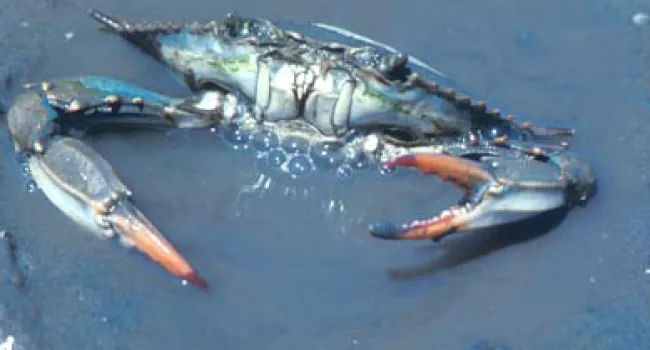
Blue Crabs | The Salt Marsh

Photo

Grades: 6 7 8 9 10 11 12

Blue crabs are active predators and effective scavengers. They occur throughout the estuary. They can swim by using their last pair of legs, which have been modified into paddles instead of walking...
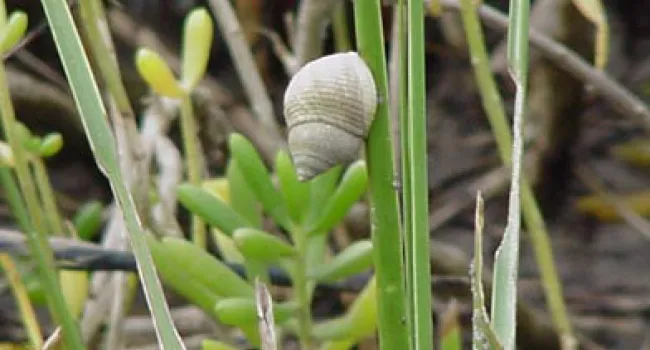
Periwinkle | The Salt Marsh

Photo

Grades: 6 7 8 9 10 11 12

At low tide, the periwinkles crawl down to the base of the stem, where algae grow best, and graze the algae off the stems. When the tide rises, however, the periwinkles crawl up the stems. Why don't...
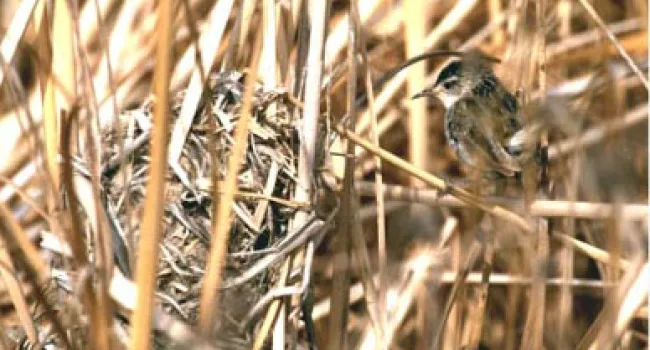
Marsh Wren | The Salt Marsh

Photo

The wrens build their nests in the tips of living Spartina. The nests are made out of dead Spartina. They are not open, but are covered, so the nest looks like a ball of dead grass. There is a hole on...