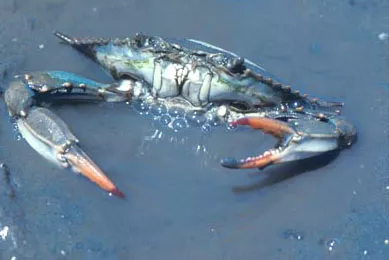
Blue Crabs | The Salt Marsh

Blue crabs are active predators and effective scavengers. They occur throughout the estuary. They can swim by using their last pair of legs, which have been modified into paddles instead of walking legs. Blue crabs can mate only when the exoskeleton of the female is soft. Just before mating, and also whenever the females or males grow, they shed the exoskeleton in a molt. Exoskeletons are very useful as protection against drying out and predation, but must be molted in order to grow. When you eat a soft-shell crab, you are eating a crab that has just molted. 
More in this Series

SC LIFE / The Salt Marsh / 07. Crabbing & Fishing in the Marsh

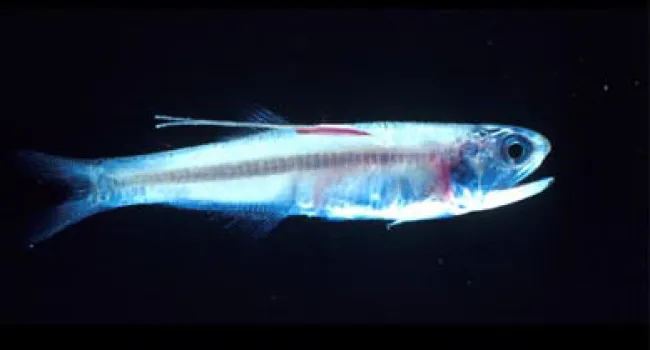
Bay Anchovy | The Salt Marsh

Photo

Grades

  • 6
  • 7
  • 8
  • 9
  • 10
  • 11
  • 12
Bay Anchovy | The Salt Marsh
The bay anchovy is the most numerous fish in the estuaries of South Carolina. They are food to larger fish and to many birds. Anchovies are specialized to feed on plankton. They have a huge mouth and...
 Crabbing & Fishing in the Marsh | The Salt Marsh

Video

Grades

  • 6
  • 7
  • 8
  • 9
  • 10
  • 11
  • 12
Crabbing & Fishing in the Marsh | The Salt Marsh
The salt marsh is home to many animals, including some that people like to eat. Blue crabs are often caught in wire boxes called crab pots. Shrimp grow from tiny larvae to big adults while they live...
Flounder | The Salt Marsh

Photo

Grades

  • 6
  • 7
  • 8
  • 9
  • 10
  • 11
  • 12
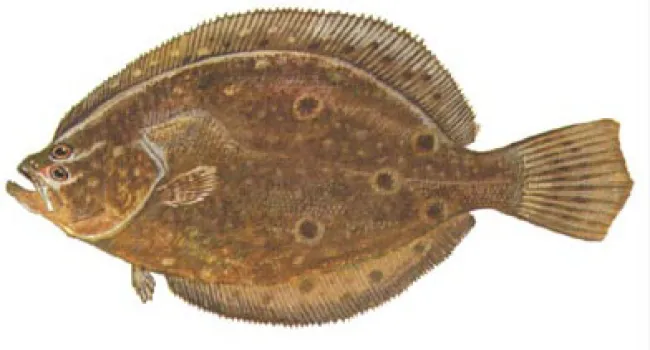
Flounder | The Salt Marsh
There are several species of flatfish that occur in South Carolina. These include flounder, soles, and tonguefish. The flatfish lie slightly buried on the bottom, where they wait for prey, such as...
Hard Clams | The Salt Marsh

Photo

Grades

  • 6
  • 7
  • 8
  • 9
  • 10
  • 11
  • 12
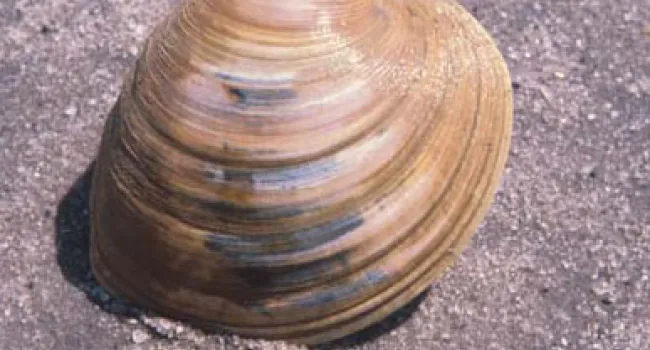
Hard Clams | The Salt Marsh
The hard clam, or quahog, is common along our coast. The clams are sold commercially as littleneck, cherrystone, or chowder clams, depending on size, with littlenecks about an inch in diameter and...
Shrimp | The Salt Marsh

Photo

Grades

  • 6
  • 7
  • 8
  • 9
  • 10
  • 11
  • 12
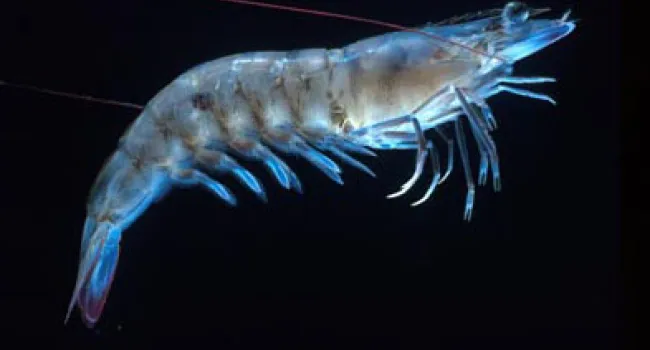
Shrimp | The Salt Marsh
Three different species of shrimp are collected commercially from offshore and from the salt marsh. They are the pink shrimp, the brown shrimp, and the white shrimp. They are large, up to 10 inches in...
Spot & Croaker | The Salt Marsh

Photo

Grades

  • 6
  • 7
  • 8
  • 9
  • 10
  • 11
  • 12
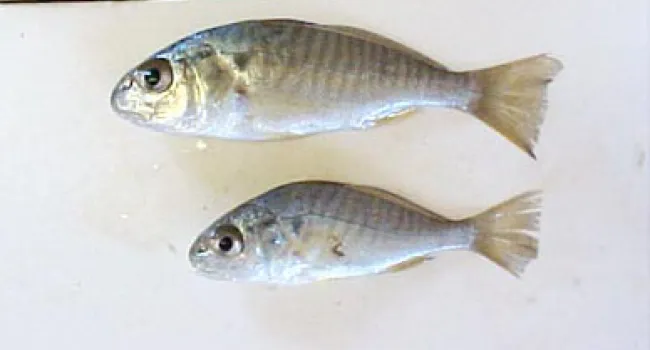
Spot & Croaker | The Salt Marsh
Spot and croaker are closely related fish. They look alike, with light vertical bands, but the spot is named for a dark spot just behind its gill cover. All members of this group of fish make noises...