
The Salt Marsh

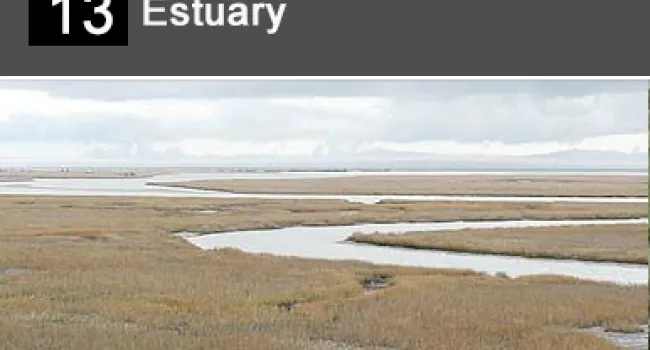
Salt marshes are found around the world, but the one you are about to tour can be found right here in South Carolina on the North American continent. Salt marshes are located only along the coast. This is because a salt marsh is an area that is flooded by saline (salty) water. The salt marshes are better developed as you move farther south in South Carolina.

Resource Type
Clapper Rail | The Salt Marsh

Photo

Clapper Rail | The Salt Marsh
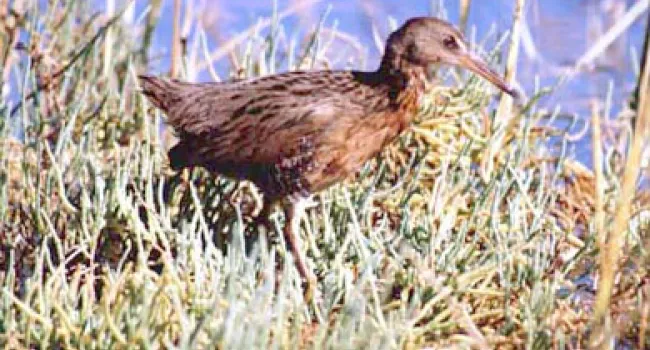
Clapper rails live their whole lives in the salt marsh. They even nest in clumps of Spartina just above the water. The downy black young are hard to see against the dark marsh mud. Both the adults and...
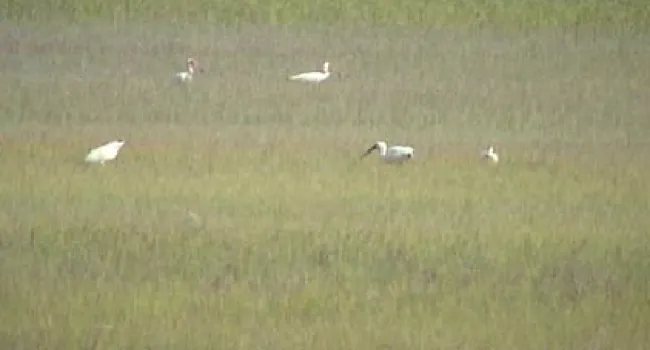
White Ibis | The Salt Marsh

Photo

White Ibis | The Salt Marsh
White ibis use their long, curved bills to probe into the burrows of the fiddler crabs and pull them out to eat. IBIS. Along with the clapper rail, white ibis are the major bird consumers of the salt...
 Male Fiddler Behavior | The Salt Marsh

Video

Grades

  • 6
  • 7
  • 8
  • 9
  • 10
  • 11
  • 12
Male Fiddler Behavior | The Salt Marsh
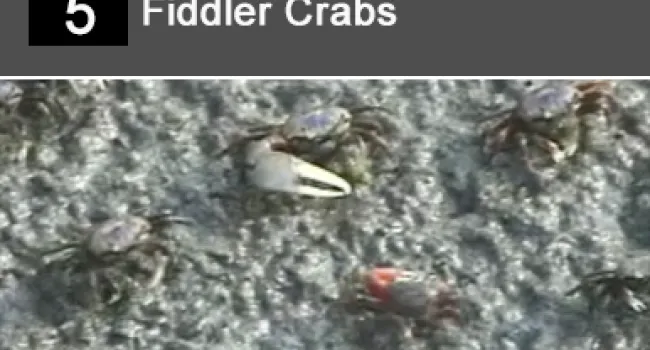
Male fiddler crabs have one large claw, which can be either their left or right. They wave these large claws at other males to frighten them away from their territory. When they wave the claw, they...
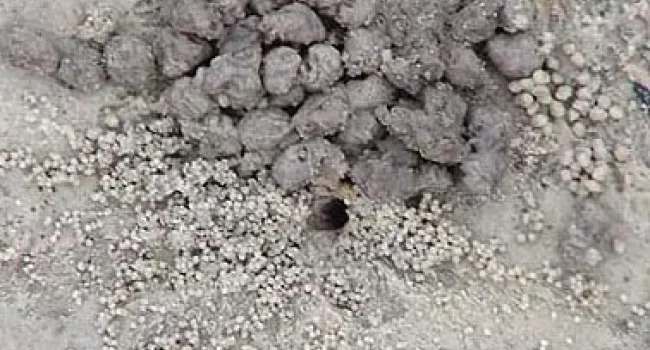
Pseudofeces | The Salt Marsh

Photo

Pseudofeces | The Salt Marsh
These tiny balls of sand or mud, perfectly round, are called pseudofeces because they look like fecal pellets. Like true feces, they are bits of indigestible material, but they have never passed...
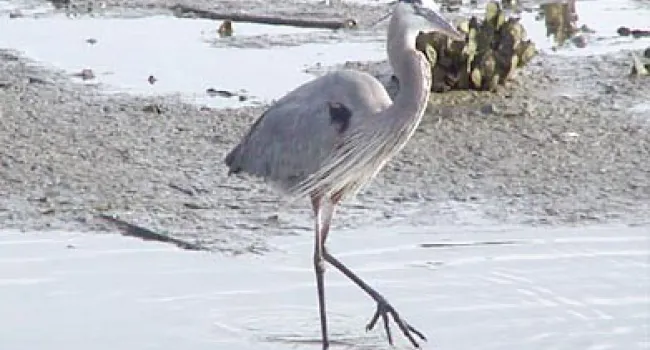
Great Blue Herons | The Salt Marsh

Photo

Grades

  • 6
  • 7
  • 8
  • 9
  • 10
  • 11
  • 12
Great Blue Herons | The Salt Marsh
Great blue herons are the largest of our herons. Standing over 3 feet tall, with a large, 6-inch-long dagger of a beak, they eat anything they can spear. They are bluish-gray in color. They most often...
Scat | The Salt Marsh Raccoon | The Salt Marsh

Video

Grades

  • 6
  • 7
  • 8
  • 9
  • 10
  • 11
  • 12
Raccoon | The Salt Marsh
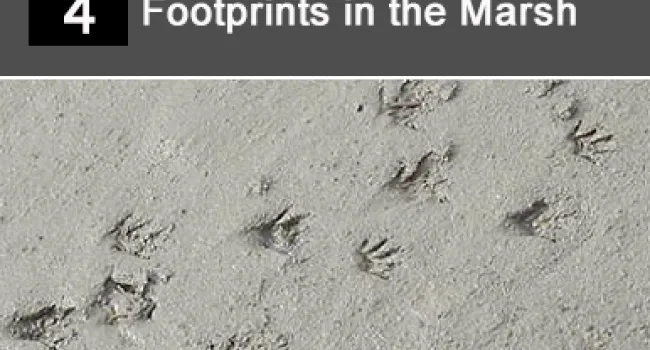
It ís a raccoon! Raccoons often feed near water and frequently visit the salt marsh during low tide. Raccoons are omnivorous and eat many different plants and animals. In the salt marsh, they often...
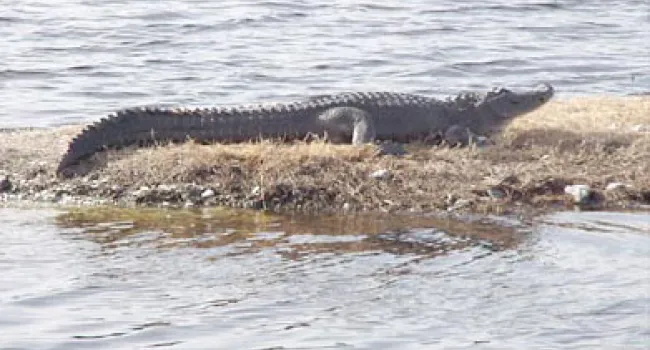
Alligators | The Salt Marsh

Photo

Grades

  • 6
  • 7
  • 8
  • 9
  • 10
  • 11
  • 12
Alligators | The Salt Marsh
Alligators are not normally found in brackish or salt water, although they do occasionally swim there. They much prefer freshwater and must return to it to drink. They can reach 19 feet in length, but...
Scat | The Salt Marsh

Photo

Grades

  • 6
  • 7
  • 8
  • 9
  • 10
  • 11
  • 12
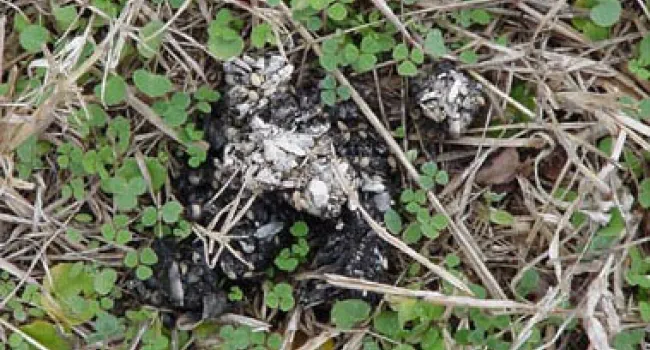
Scat | The Salt Marsh
This scat is from the same animal. It ís full of seeds and the shells of fiddler crabs. Who ate them?
Salt Grass | The Salt Marsh

Photo

Grades

  • 6
  • 7
  • 8
  • 9
  • 10
  • 11
  • 12
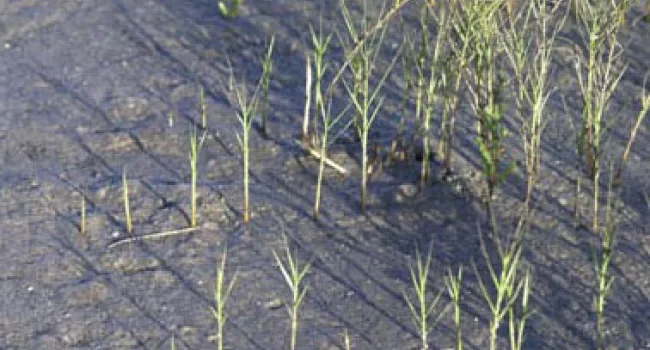
Salt Grass | The Salt Marsh
Salt grass sends underground stems called rhizomes into the salt flat. Sprouts from these rhizomes make stems and leaves above ground. You can see where the rhizome lies underground because the stems...
Glasswort | The Salt Marsh

Photo

Grades

  • 6
  • 7
  • 8
  • 9
  • 10
  • 11
  • 12
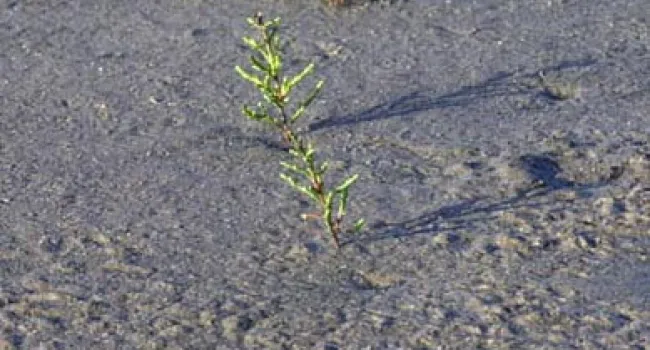
Glasswort | The Salt Marsh
There are two species of glasswort. One is an annual and lives only for one year, then dies. It is the taller, branched plant farthest out into the salt flat. The other is a perennial and lives for...