Trees

Trees can be identified based on their physical characteristics: leaves, fruit, and bark. For example: Hardwood trees are deciduous, meaning they lose their leaves every year.
Toggle Filters

Filter By:

Clear Filters

Grade Levels

close

Grade

Resource Type

close

Resource Type

Downloadable Content

close

Downloadable Content
 Sumter National Forest (S.C.) Stop 7 7

Video

Grades

  • 3
  • 4
  • 5
  • 6
  • 7
  • 8
  • 9
  • 10
  • 11
  • 12
Sumter National Forest (S.C.) Stop 7
Episode 7
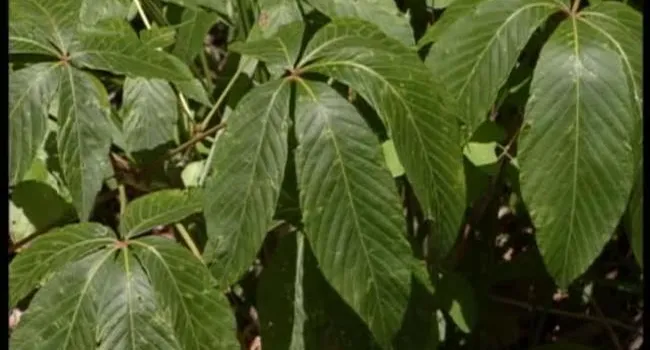
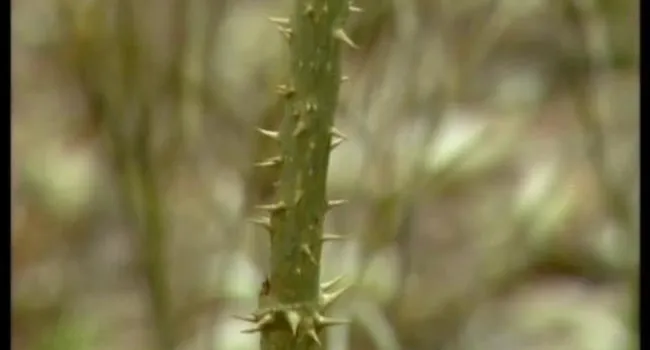
Rudy and Jim find an unusually large Devil’s Walking Stick, which is usually around one third the size of the one shown here! Horse Sugar, Yellow Bellwort, and Birdsfoot violets are more species of...
 Savannah River Site (S.C.) Stop 2 4

Video

Grades

  • 3
  • 4
  • 5
  • 6
  • 7
  • 8
  • 9
  • 10
  • 11
  • 12
Savannah River Site (S.C.) Stop 2
Episode 4
This bluff is one of 30 areas set aside from the University of Georgia’s Savannah River Ecology laboratory. This area is vastly different from the tall pine community Rudy and Jim visited previously...
 Savannah River Site (S.C.) Stop 3 5

Video

Grades

  • 3
  • 4
  • 5
  • 6
  • 7
  • 8
  • 9
  • 10
  • 11
  • 12
Savannah River Site (S.C.) Stop 3
Episode 5
Ecology Laboratory Research Site: This area is a mixed hardwood forest, with Spanish moss dangling from the branches. Water oaks are the most prominent trees here. Other common plants in the area are...
 Savannah River Site (S.C.) Stop 4 6

Video

Grades

  • 3
  • 4
  • 5
  • 6
  • 7
  • 8
  • 9
  • 10
  • 11
  • 12
Savannah River Site (S.C.) Stop 4
Episode 6
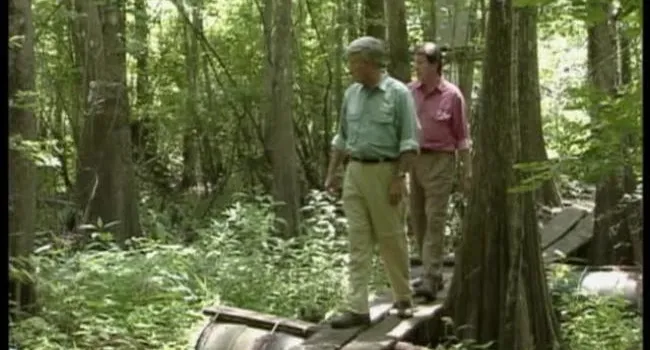
A boardwalk takes Rudy and Jim from the hardwood area of the previous stop into a swamp forest. Here, Bald Cypress trees and Tupelo trees dominate. Lizard Tail, commonly found in this area, gets its...
 Savannah River Site (S.C.) Stop 5 7

Video

Grades

  • 3
  • 4
  • 5
  • 6
  • 7
  • 8
  • 9
  • 10
  • 11
  • 12
Savannah River Site (S.C.) Stop 5
Episode 7
This area is known as a “dry wetland” Here, Button bush, and Red maple trees thrive here. Under a nearby wooden board, Rudy and Jim find a Mole salamander, and a Ring-Neck snake. And in a nearby tree...
 Savannah River Site (S.C.) Stop 6 8

Video

Grades

  • 3
  • 4
  • 5
  • 6
  • 7
  • 8
  • 9
  • 10
  • 11
  • 12
Savannah River Site (S.C.) Stop 6
Episode 8
Rudy and Jim stop by another wetland, filled with Sphagnum moss, Swamp Tupelo trees, Sweet Bay trees, and Virginia Chain fern. All these plants thrive in areas such as this one, with increased...
Flowering Dogwood in Bloom | The Cove Forest

Photo

Grades

  • 6
  • 7
  • 8
  • 9
  • 10
  • 11
  • 12
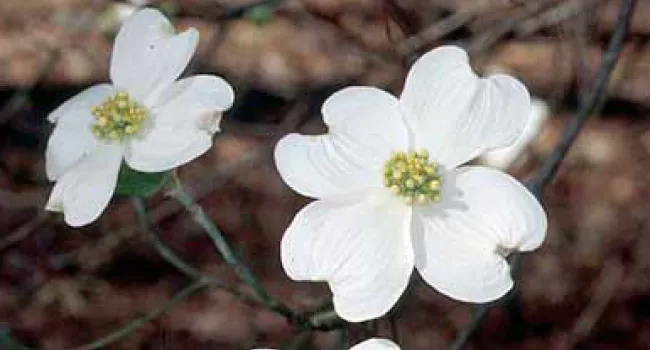
Flowering Dogwood in Bloom | The Cove Forest
Episode 4
Flowering dogwood is an ecologically important understory tree in eastern forests. Today, large numbers of flowering dogwoods are dying due to an introduced parasitic fungus that causes dogwood...
Dying Hemlock | The Cove Forest

Photo

Grades

  • 6
  • 7
  • 8
  • 9
  • 10
  • 11
  • 12
Dying Hemlock | The Cove Forest
Episode 1
The hemlock wooly adelgid (HWA) is an aphid-sized insect that feeds on sap of the Canada hemlock, a widespread tree of eastern North American forests. The HWA causes Canada hemlock trees to drop their...
 Santee National Wildlife Refuge (S.C.) Stop 1 1

Video

Grades

  • 3
  • 4
  • 5
  • 6
  • 7
  • 8
  • 9
  • 10
  • 11
  • 12
Santee National Wildlife Refuge (S.C.) Stop 1
Episode 1
In this episode of NatureScene, Rudy and Jim visit Santee National Wildlife Refuge, located in the upper coastal plain, near Santee, South Carolina. During the springtime, warmer temperatures bring...
 Santee National Wildlife Refuge (S.C.) Stop 2 3

Video

Grades

  • 3
  • 4
  • 5
  • 6
  • 7
  • 8
  • 9
  • 10
  • 11
  • 12
Santee National Wildlife Refuge (S.C.) Stop 2
Episode 3
While walking along the road, Rudy and Jim see some of the damage left behind by Hurricane Hugo, and come across an Eastern Mud Turtle. Red Maple trees and Sweetgum trees, and Hawthorns have started...