Savannah River Site (S.C.) Stop 4 - Steel Creek Area - Episode 6

Kaltura

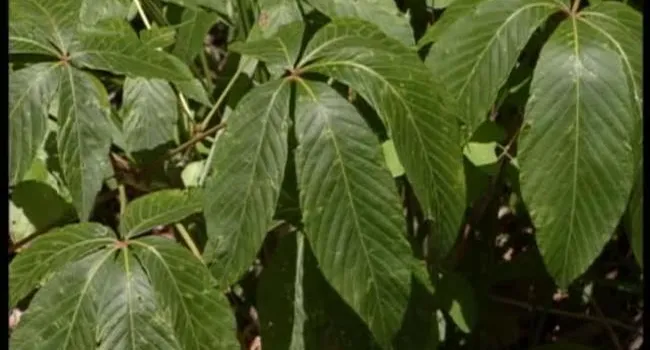
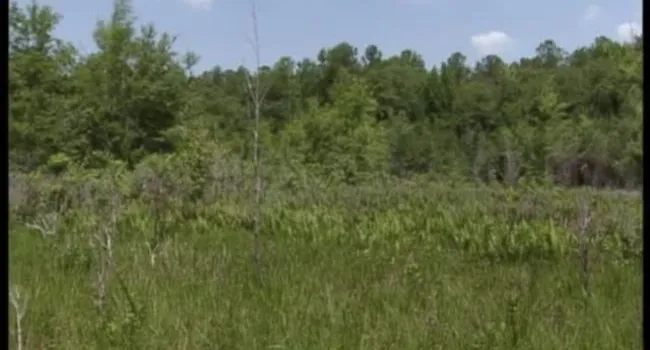
A boardwalk takes Rudy and Jim from the hardwood area of the previous stop into a swamp forest. Here, Bald Cypress trees and Tupelo trees dominate. Lizard Tail, commonly found in this area, gets its name from the distinctively shaped flowers. Nyssa Aquatica, which is in the same genus as Blackgum trees, is a perfect name for this tree since it grows up from out of the water. Water willow is a small herbaceous plant, along with Parrot feather, thrive in moist, open areas.  

Nearby, Rudy and Jim spot a Seminole Crescent butterfly. This butterfly, also called the Texas Crescent, is argued by some to be its own species of butterfly.

More in this Series

NatureScene / Savannah River Site (S.C.)

Savannah River Site (S.C.) Stop 5 - Rainbow Bay
   - Episode 7 Savannah River Site (S.C.) Stop 1 1

Video

Grades

  • 2
  • 3
  • 4
  • 5
  • 6
Savannah River Site (S.C.) Stop 1
Episode 1
In this episode of NatureScene, Rudy and Jim visit the Savannah River Site, located along the southwestern border of South Carolina. The area is 200,000 acres of protected land. When one thinks of the...
Savannah River Site (S.C.) Stop 6 - Sphagnum Moss, Swamp Tupelo, Sweet Bay, And Virginia Chain Fern
   - Episode 8 Savannah River Site (S.C.) Stop 1 2

Video

Grades

  • 3
  • 4
  • 5
  • 6
  • 7
  • 8
  • 9
  • 10
  • 11
  • 12
Savannah River Site (S.C.) Stop 1
Episode 2
The pine forest is home to two species of woodpecker birds: the Red Cockaded woodpecker, and the Ladder-Backed woodpecker.
Savannah River Site (S.C.) Stop 6 - Sphagnum Moss, Swamp Tupelo, Sweet Bay, And Virginia Chain Fern
   - Episode 8 Savannah River Site (S.C.) Stop 1 3

Video

Grades

  • 3
  • 4
  • 5
  • 6
  • 7
  • 8
  • 9
  • 10
  • 11
  • 12
Savannah River Site (S.C.) Stop 1
Episode 3
Underneath the pine trees, another community of plants resides in the area: Yellow-ray flowers, Purple Vein milkweed, and Catbells.
Savannah River Site (S.C.) Stop 6 - Sphagnum Moss, Swamp Tupelo, Sweet Bay, And Virginia Chain Fern
   - Episode 8 Savannah River Site (S.C.) Stop 2 4

Video

Grades

  • 3
  • 4
  • 5
  • 6
  • 7
  • 8
  • 9
  • 10
  • 11
  • 12
Savannah River Site (S.C.) Stop 2
Episode 4
This bluff is one of 30 areas set aside from the University of Georgia’s Savannah River Ecology laboratory. This area is vastly different from the tall pine community Rudy and Jim visited previously...
Savannah River Site (S.C.) Stop 6 - Sphagnum Moss, Swamp Tupelo, Sweet Bay, And Virginia Chain Fern
   - Episode 8 Savannah River Site (S.C.) Stop 3 5

Video

Grades

  • 3
  • 4
  • 5
  • 6
  • 7
  • 8
  • 9
  • 10
  • 11
  • 12
Savannah River Site (S.C.) Stop 3
Episode 5
Ecology Laboratory Research Site: This area is a mixed hardwood forest, with Spanish moss dangling from the branches. Water oaks are the most prominent trees here. Other common plants in the area are...
Savannah River Site (S.C.) Stop 6 - Sphagnum Moss, Swamp Tupelo, Sweet Bay, And Virginia Chain Fern
   - Episode 8 Savannah River Site (S.C.) Stop 5 7

Video

Grades

  • 3
  • 4
  • 5
  • 6
  • 7
  • 8
  • 9
  • 10
  • 11
  • 12
Savannah River Site (S.C.) Stop 5
Episode 7
This area is known as a “dry wetland” Here, Button bush, and Red maple trees thrive here. Under a nearby wooden board, Rudy and Jim find a Mole salamander, and a Ring-Neck snake. And in a nearby tree...
 Savannah River Site (S.C.) Stop 6 8

Video

Grades

  • 3
  • 4
  • 5
  • 6
  • 7
  • 8
  • 9
  • 10
  • 11
  • 12
Savannah River Site (S.C.) Stop 6
Episode 8
Rudy and Jim stop by another wetland, filled with Sphagnum moss, Swamp Tupelo trees, Sweet Bay trees, and Virginia Chain fern. All these plants thrive in areas such as this one, with increased...