Trees

Trees can be identified based on their physical characteristics: leaves, fruit, and bark. For example: Hardwood trees are deciduous, meaning they lose their leaves every year.
Toggle Filters

Filter By:

Clear Filters

Grade Levels

close

Grade

Resource Type

close

Resource Type

Downloadable Content

close

Downloadable Content
 Santee National Wildlife Refuge (S.C.) Stop 4 5

Video

Grades

  • 3
  • 4
  • 5
  • 6
  • 7
  • 8
  • 9
  • 10
  • 11
  • 12
Santee National Wildlife Refuge (S.C.) Stop 4
Episode 5
Dingle Pond is one of the thousands of “mysterious Carolina bays” found throughout the Carolinas. The pond is home to many species of ducks, and a woodpecker can be heard out in the distance. Little...
 Santee National Wildlife Refuge (S.C.) Stop 5 6

Video

Grades

  • 3
  • 4
  • 5
  • 6
  • 7
  • 8
  • 9
  • 10
  • 11
  • 12
Santee National Wildlife Refuge (S.C.) Stop 5
Episode 6
Cuddo Unit is a great place for birders, and people who just want to enjoy the nature in the area. Pond cypress trees with Spanish Moss dominate the area, along with Ash trees and willows. On the...
 Santee National Wildlife Refuge (S.C.) Stop 7 8

Video

Grades

  • 3
  • 4
  • 5
  • 6
  • 7
  • 8
  • 9
  • 10
  • 11
  • 12
Santee National Wildlife Refuge (S.C.) Stop 7
Episode 8
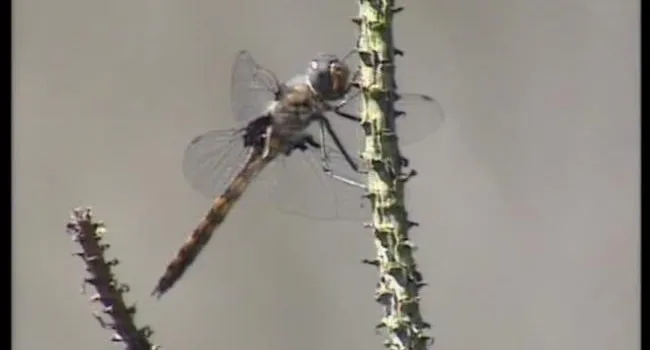
At this last stop, Rudy and Jim come across Loblolly pines, along with more alligators, and a Springflyer dragonfly. On the other side of the trail is a hardwood forest, and this habitat includes...
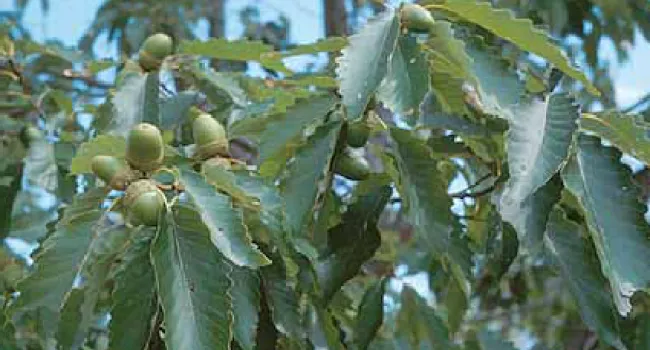
Leafy Stem with Abundant Acorns | The Cove Forest

Photo

Grades

  • 6
  • 7
  • 8
  • 9
  • 10
  • 11
  • 12
Leafy Stem with Abundant Acorns | The Cove Forest
Episode 3
The fruits produced by oaks (acorns) are an extremely important food source for mammals, such as squirrels, deer and black bear. Because acorns are rich in carbohydrates and proteins, populations of...
Wind-Pollinated Flower | The Cove Forest

Photo

Grades

  • 6
  • 7
  • 8
  • 9
  • 10
  • 11
  • 12
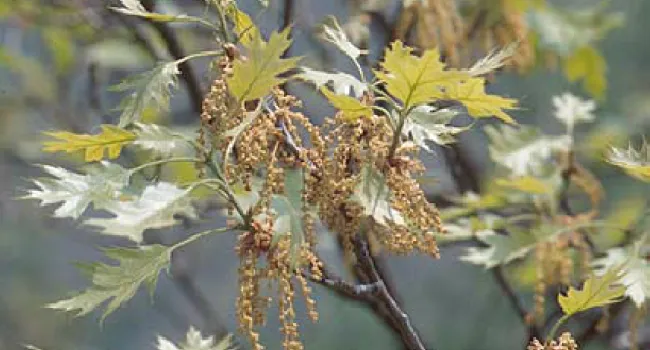
Wind-Pollinated Flower | The Cove Forest
Trees, such as oaks and hickories, and herbaceous plants such as grasses and sedges have small inconspicuous flowers that lack nectar, odor and bright colors. Because these plants are wind-pollinated...
 Peachtree Rock (S.C.) Stop 1 1

Video

Grades

  • 3
  • 4
  • 5
  • 6
  • 7
  • 8
  • 9
  • 10
  • 11
  • 12
Peachtree Rock (S.C.) Stop 1
Episode 1
Peachtree Rock is the edge of the old ocean, located just twenty miles west of Columbia, S.C. This area is part of the “Sandhills” part of the southeastern United States. Fall Line Sandhills- at this...
 Peachtree Rock (S.C.) Stop 2 2

Video

Grades

  • 3
  • 4
  • 5
  • 6
  • 7
  • 8
  • 9
  • 10
  • 11
  • 12
Peachtree Rock (S.C.) Stop 2
Episode 2
While walking along the trail, Rudy and Jim find a Fence Lizard resting on a tree trunk. Its camouflage skin is perfect for blending in with its environment, making it difficult for predators to spot...
 Peachtree Rock (S.C.) Stop 3 3

Video

Grades

  • 3
  • 4
  • 5
  • 6
  • 7
  • 8
  • 9
  • 10
  • 11
  • 12
Peachtree Rock (S.C.) Stop 3
Episode 3
Continuing down the trail, Rudy and Jim find a Black Gum tree, whose leaves are among the earliest to change color in the fall. Blackjack Oak is tree which grows well in poor soils. They come across...
 Peachtree Rock (S.C.) Stop 4 6

Video

Grades

  • 3
  • 4
  • 5
  • 6
  • 7
  • 8
  • 9
  • 10
  • 11
  • 12
Peachtree Rock (S.C.) Stop 4
Episode 6
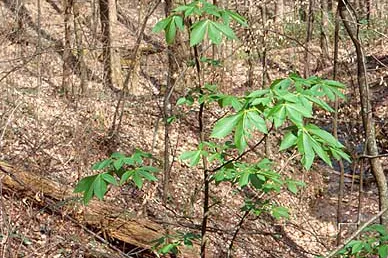
Hardwood Forest - On lower ground, where there is much more moisture, Red Maple, Maple Leaf Viburnum, Mountain Laurel, and White Oak trees grow very well in areas like this. Rudy and Jim come across...
 Peachtree Rock (S.C.) Stop 6 8

Video

Grades

  • 3
  • 4
  • 5
  • 6
  • 7
  • 8
  • 9
  • 10
  • 11
  • 12
Peachtree Rock (S.C.) Stop 6
Episode 8
Further up the trail where the area has less moisture, we see Turkey Oaks and Longleaf Pines make a return. Sparkleberry, Blazing Star, and Jointweed flowers are common in this area. On one of the...