Invertebrate

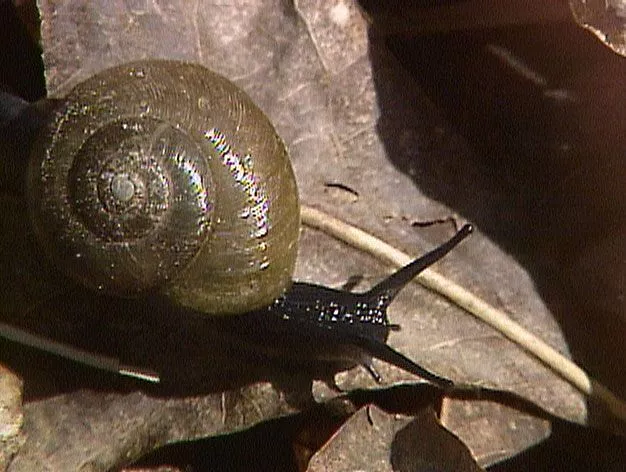
Animals that are invertebrate do not have a backbone. According to Britannica.com, "more than 90 percent of all living animal species are invertebrates." 

Insects are also included under this classification.

Toggle Filters

Filter By:

Clear Filters

Grade Levels

close

Grade

Resource Type

close

Resource Type

Downloadable Content

close

Downloadable Content

Insects are also included under this classification.

 Sandy Point (S.C.) Stop 1 1

Video

Grades

  • 3
  • 4
  • 5
  • 6
  • 7
  • 8
  • 9
  • 10
  • 11
  • 12
Sandy Point (S.C.) Stop 1
Episode 1
In this episode of NatureScene, Rudy and Jim comb the beaches of Sandy Point, just northeast of Charleston, S.C. Sandy Point is part of the Cape Romaine National Wildlife Refuge. The most common shell...
 Sandy Point (S.C.) Stop 1 2

Video

Grades

  • 3
  • 4
  • 5
  • 6
  • 7
  • 8
  • 9
  • 10
  • 11
  • 12
Sandy Point (S.C.) Stop 1
Episode 2
Mixed in with the sea shells found on the beach, Rudy and Jim come across part of a Loggerhead sea turtle’s shell, a Skate egg case, known as a “Devil’s Purse,” a Vase sea sponge, a Hard-shelled clam...
 Sandy Point (S.C.) Stop 2 3

Video

Grades

  • 3
  • 4
  • 5
  • 6
  • 7
  • 8
  • 9
  • 10
  • 11
  • 12
Sandy Point (S.C.) Stop 2
Episode 3
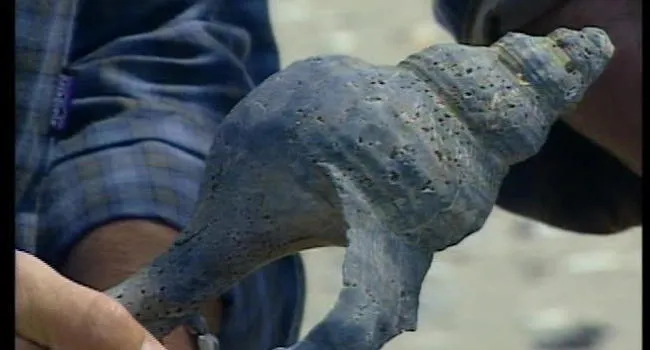
The Florida horse conch is the largest gastropod one would find around the beaches of Sandy Point. The Atlantic murex is a gastropod which features blunt, but large spines on its shell. The Atlantic...
Sandy Point (S.C.) Stop 2 - Florida Horse Conch, Atlantic Murex, Atlantic Ribbed Mussel, Angel Wing, And Giant Tun
   - Episode 3 Sandy Point (S.C.) Stop 2 4

Video

Grades

  • 3
  • 4
  • 5
  • 6
  • 7
  • 8
  • 9
  • 10
  • 11
  • 12
Sandy Point (S.C.) Stop 2
Episode 4
The Horseshoe crab which Rudy and Jim find is not dead, but is actually a shed exoskeleton! They also find whelk egg cases, and one of them still has young snails inside. Oyster shells are found...
 Sandy Point (S.C.) Stop 3 6

Video

Grades

  • 3
  • 4
  • 5
  • 6
  • 7
  • 8
  • 9
  • 10
  • 11
  • 12
Sandy Point (S.C.) Stop 3
Episode 6
Clench’s Helmet is a univalve which feeds on echinoderms, like sand dollars. We see two shells which look very similar to each other, but actually come from different animals: a Knobbed whelk, and a...
Bulls Island (S.C.) Stop 2 - Sandy Soil Trees, Red Bellied Woodpecker, Great Blue Heron, And Wild Turkey
   - Episode 4 Bulls Island (S.C.) Stop 5 12

Video

Grades

  • 3
  • 4
  • 5
  • 6
  • 7
  • 8
  • 9
  • 10
  • 11
  • 12
Bulls Island (S.C.) Stop 5
Episode 12
“Ghost Beach” - Rudy and Jim further assess the damage to the island by Hurricane Hugo. The pines and live oaks at the shore line are gone, but the Palmetto trees survived. The water is slowly eroding...
Mayapple | Appalachian Cove (S.C.) | NatureScene Appalachian Cove (S.C.) Stop 2 5

Video

Grades

  • 3
  • 4
  • 5
  • 6
  • 7
  • 8
  • 9
  • 10
  • 11
  • 12
Appalachian Cove (S.C.) Stop 2
Episode 5
When pieces of trees fall to the ground, nature has a way to recycle that debris. A species of mushroom known as the False Turkey Tail helps break down the rotting wood, adding nutrients to soil in...
Little Pee Dee River (S.C.) Stop 1 - Ferns, Bull Nettles, And Pocosins
   - Episode 2 Little Pee Dee River (S.C.) Stop 6 10

Video

Grades

  • 3
  • 4
  • 5
  • 6
  • 7
  • 8
  • 9
  • 10
  • 11
  • 12
Little Pee Dee River (S.C.) Stop 6
Episode 10
Victoria Bluff gets its name due to the sharp drop down to the shoreline, where at high tide, the Colleton River slowly continues to erode away the edge. Evidence of life is found within the bluffs...