Invertebrate

Animals that are invertebrate do not have a backbone. According to Britannica.com, "more than 90 percent of all living animal species are invertebrates." 

Insects are also included under this classification.

Toggle Filters

Filter By:

Clear Filters

Grade Levels

close

Grade

Resource Type

close

Resource Type

Downloadable Content

close

Downloadable Content

Insects are also included under this classification.

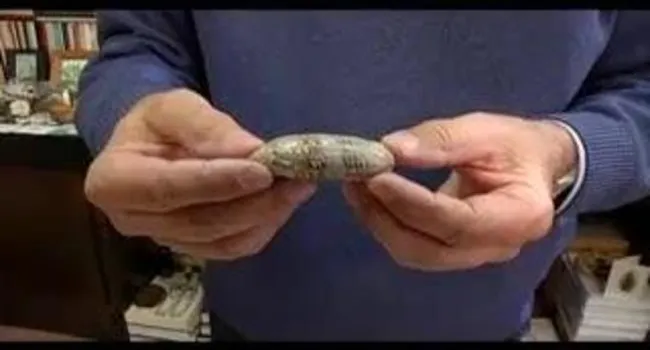
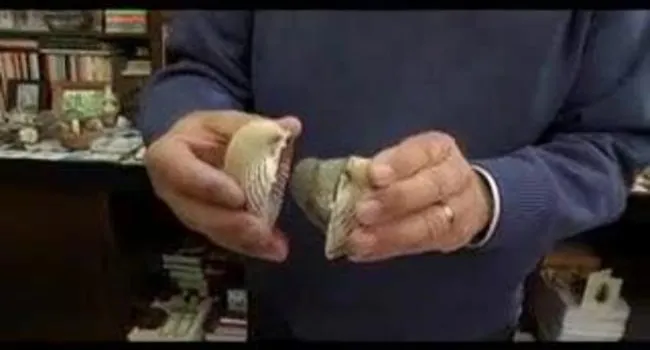
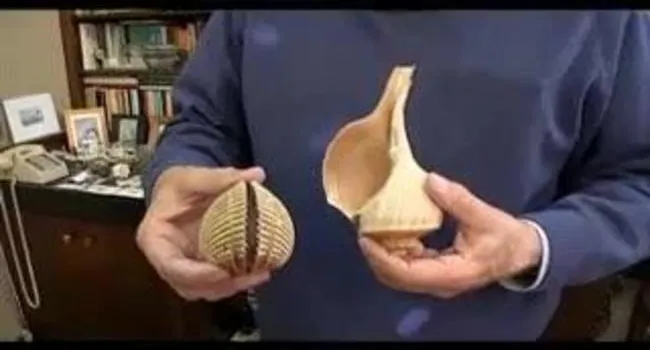
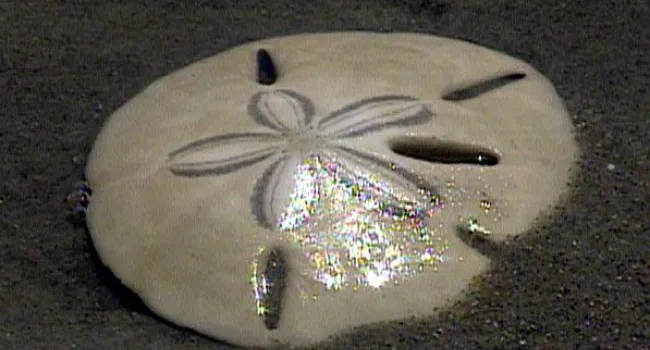
Sand Dollar | Bulls Island Natural Area (S.C.)

Photo

Grades

  • 3
  • 4
  • 5
  • 6
  • 7
  • 8
  • 9
  • 10
  • 11
  • 12
Sand Dollar | Bulls Island Natural Area (S.C.)
• Mellita quinquiesperforata • Flat version of sea urchin • Fused skeletal plate forms rigid exoskeleton (test) • Lives in shallow water, using sand as protection • Male and female cannot be...
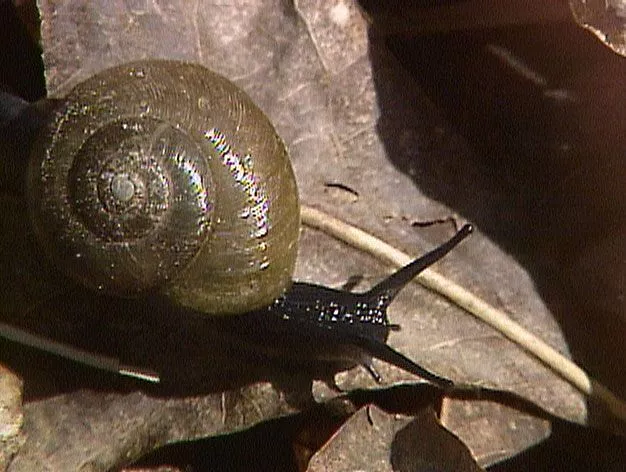
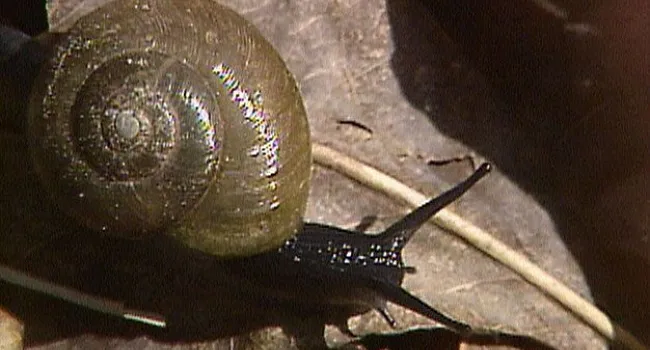
Forest Snail | Appalachian Cove (S.C.) | NatureScene

Photo

Grades

  • 3
  • 4
  • 5
  • 6
  • 7
  • 8
  • 9
  • 10
  • 11
  • 12
Forest Snail | Appalachian Cove (S.C.) | NatureScene
• Mesomphix vulgatis • Terrestrial species • Lives coiled in a shell • Thin skin • Oozes along with prominent muscular foot • Feeds with radula • Operculum seals its shell • Stalked eyes and antennae
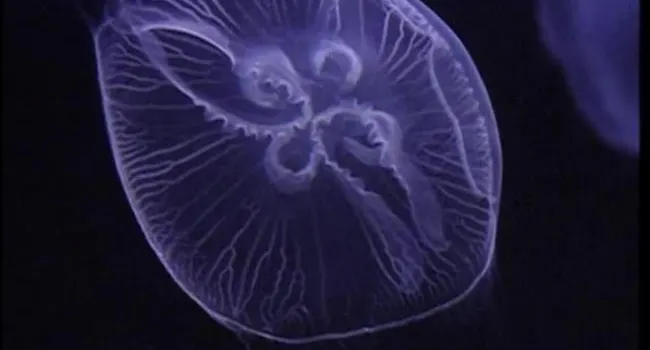
 Moon Jelly | Zoo Minutes

Video

Grades

  • Pre K
  • Kindergarten
  • 1
  • 2
  • 3
  • 4
  • 5
  • 6
  • 7
  • 8
Moon Jelly | Zoo Minutes
The moon jelly is an invertebrate because it does not possess a backbone. These animals are often referred to as jellyfish, but they are not fish. They are found in all of the oceans except the Arctic...