The Cove Forest

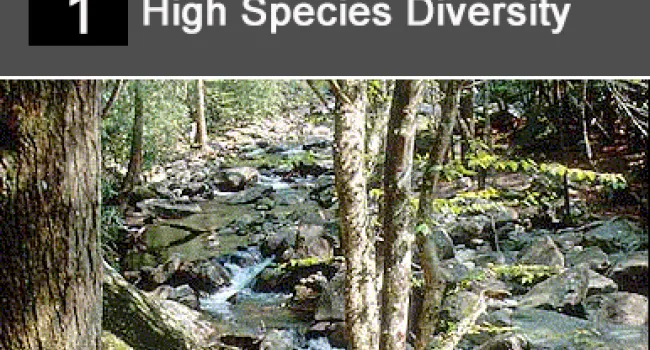
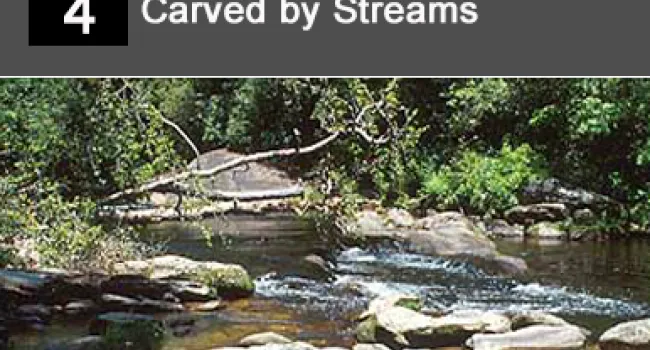
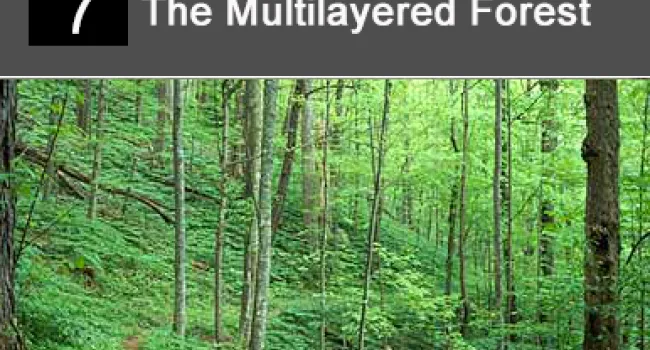
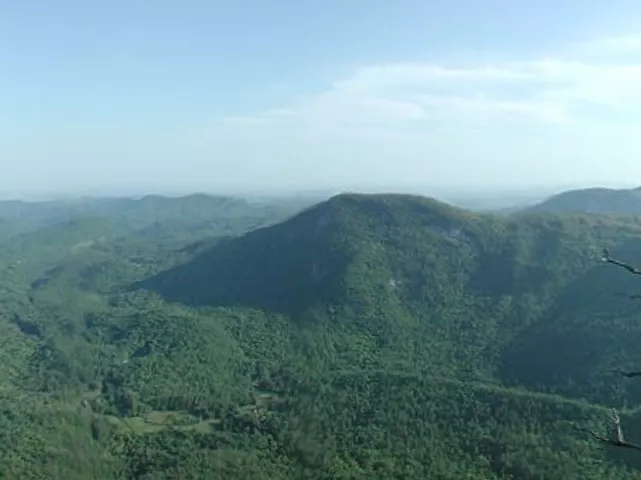
Cove forests are unique ecosystems found exclusively in North America, in the southern Appalachian Mountains of the United States. They are a special type of forest known as mixed deciduous, meaning that forest's trees lose their leaves in fall. Cove forests are restricted to mountain "coves," which are bowl-shaped valleys with very rich, fertile, damp soil. Many cove forests have streams wandering through part of the forest. The cove forests of the South exhibit the greatest plant and tree diversity of any forests in the United States.

The cove forests of South Carolina are restricted to the northwest portion of the state, extending from the north of Westminster to north of Greenville, Jones Gap State Park, Table Rock State Park, Oconee State Park, and Caesars Head State Park all contain cove forest communities. For more information, view the credits or find out how to plan a trip to a cove forest.

---

PLEASE NOTE:

  • Adobe will stop updating and distributing the Flash Player at the end of 2020.
  • We plan to officially retire The Cove Forest - FLASH VERSION June 2020. 
  • All content from the Flash version has been extracted to HTML below.
Resource Type
Old Giants | The Cove Forest

Photo

Grades

  • 6
  • 7
  • 8
  • 9
  • 10
  • 11
  • 12
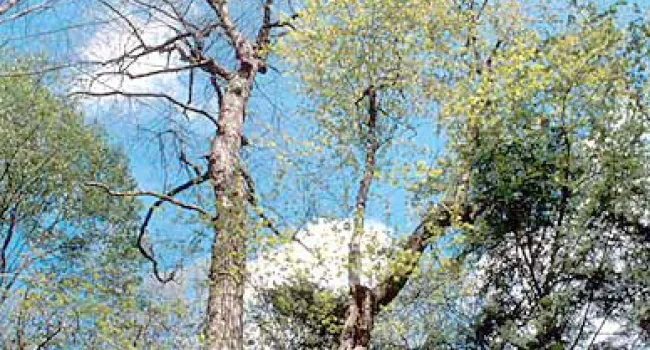
Old Giants | The Cove Forest
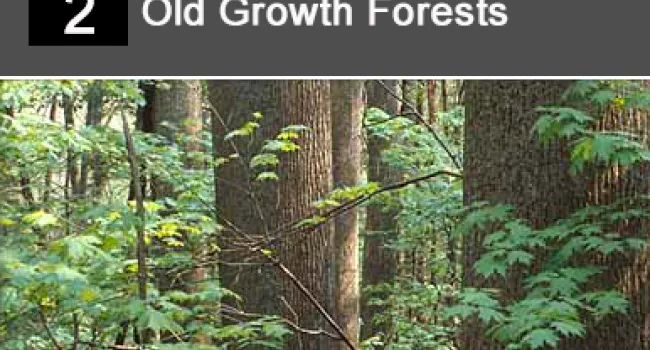
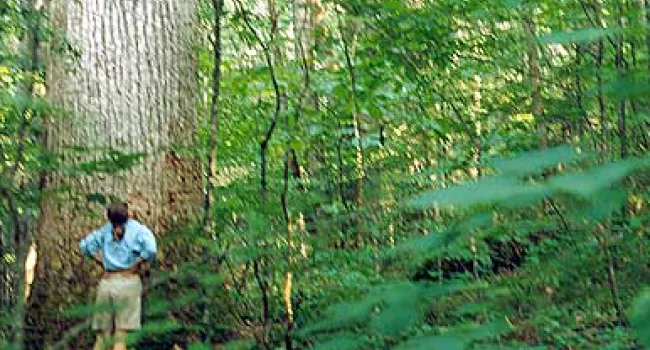
In remote rugged areas, where logging proved difficult, small remnant patches of intact cove forest still exist. Here, one may encounter unusually large trees with wide trunks, some of which may be...
A Coniferous and Flowering Tree | The Cove Forest

Photo

Grades

  • 6
  • 7
  • 8
  • 9
  • 10
  • 11
  • 12
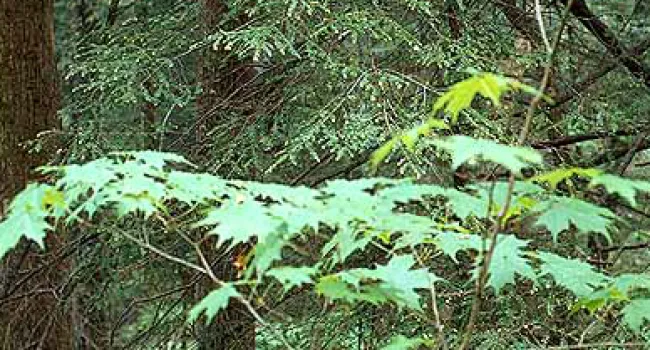
A Coniferous and Flowering Tree | The Cove Forest
There are two main groups of trees -- coniferous trees and flowering trees. Coniferous trees generally produce seeds in cones, have needle-like leaves and are evergreen. In contrast, flowering trees...
Nutrient-Rich Soils | The Cove Forest

Photo

Grades

  • 6
  • 7
  • 8
  • 9
  • 10
  • 11
  • 12
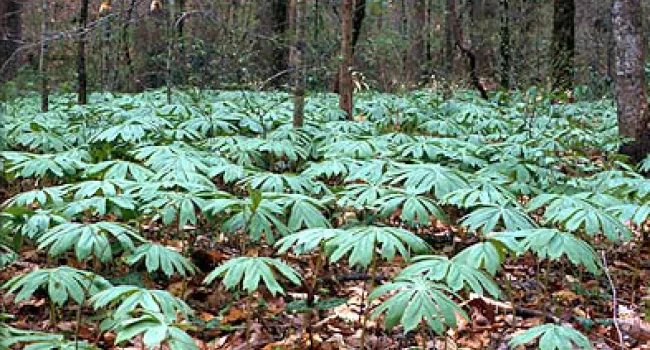
Nutrient-Rich Soils | The Cove Forest
Cove forests typically have deep nutrient-rich soils that are less acidic than surrounding areas. A favorable soil, coupled with a relatively cool, moist environment, promotes a rich diversity of...
Mixed Mesophytic Forests | The Cove Forest

Photo

Grades

  • 6
  • 7
  • 8
  • 9
  • 10
  • 11
  • 12
Mixed Mesophytic Forests | The Cove Forest
Cove forests are also called "mixed mesophytic forests." The term, "mixed mesophytic forest" refers to a mixture of tree species adapted to relatively cool, moist environments and rich soils...
Fowler's Toad | The Cove Forest

Photo

Grades

  • 3
  • 4
  • 5
  • 6
  • 7
  • 8
  • 9
  • 10
  • 11
  • 12
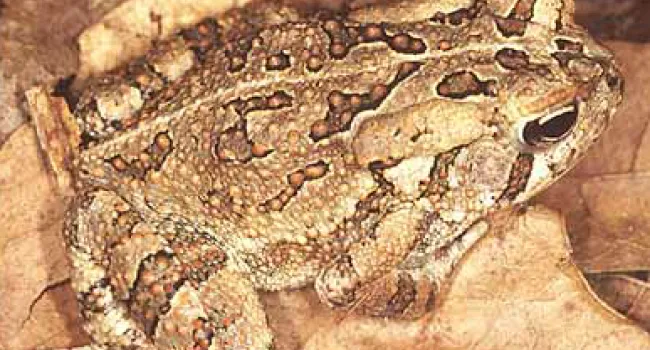
Fowler's Toad | The Cove Forest
(Bufo fowler) This toad is commonly found in the deciduous woods of the Carolinas. It differs from the American Toad by having more than two warts in each dorsal dark spot. The large glands behind the...
 Wood Frog | The Cove Forest

Video

Grades

  • 3
  • 4
  • 5
  • 6
  • 7
  • 8
  • 9
  • 10
  • 11
  • 12
Wood Frog | The Cove Forest
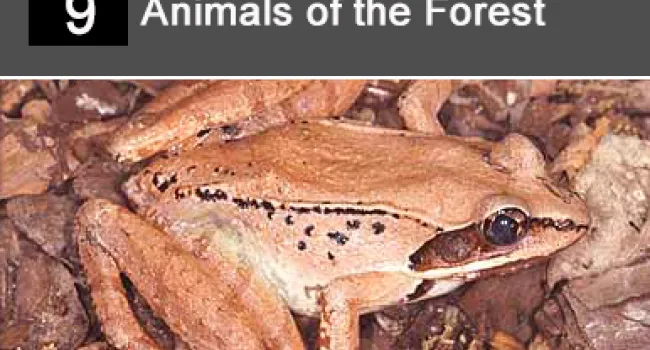
(Rana sylvatica) This medium sized frog is primarily a northern species with its most southerly distribution associated with the cove forests of the mountain of SC. It is ieasily identifiied by its...
 Two-Lined Salamander | The Cove Forest

Video

Grades

  • 3
  • 4
  • 5
  • 6
  • 7
  • 8
  • 9
  • 10
  • 11
  • 12
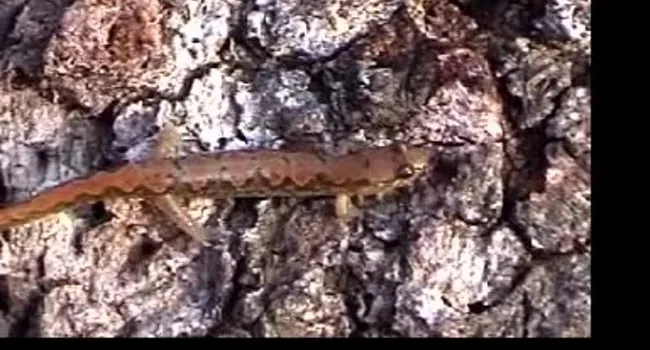
Two-Lined Salamander | The Cove Forest
(Eurycea bislineata) The two-lined is one of the smallest salamanders in the cove forest. This species is found under logs and rocks in the moist soil conditions, usually near water. Breeding occurs...
Two-Lined Salamander | The Cove Forest Jordan's Salamander | The Cove Forest

Video

Grades

  • 3
  • 4
  • 5
  • 6
  • 7
  • 8
  • 9
  • 10
  • 11
  • 12
Jordan's Salamander | The Cove Forest
(Plenthodon jordani) This lungless salamander is extremely abundant in cove forests at higher altitudes. Large quantities of sticky mucus are secreted by the tail for protection against avian...
 Red Salamader | The Cove Forest

Video

Grades

  • 3
  • 4
  • 5
  • 6
  • 7
  • 8
  • 9
  • 10
  • 11
  • 12
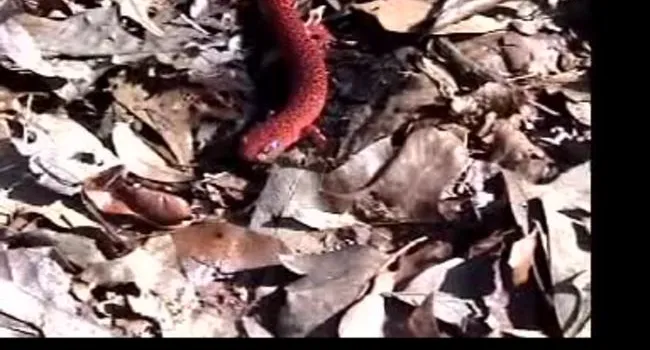
Red Salamader | The Cove Forest
(Pseudotrition ruber) The red is one of the most beautiful salamanders in the cove forest. Colors range from purplish brown to deep orange-red. It is lungless and terrestrial. Eggs are laid in water...
 Ocoee Salamander  | The Cove Forest

Video

Grades

  • 3
  • 4
  • 5
  • 6
  • 7
  • 8
  • 9
  • 10
  • 11
  • 12
Ocoee Salamander | The Cove Forest
(Desmognathus ocoee) The ocoee salamander is lungless and lives in streams in wet areas adjacent to streams. It has a highly variable dorsal color patterning; usually a series of connected paired...
Two-Lined Salamander | The Cove Forest Black-Bellied Salamander | The Cove Forest

Video

Grades

  • 3
  • 4
  • 5
  • 6
  • 7
  • 8
  • 9
  • 10
  • 11
  • 12
Black-Bellied Salamander | The Cove Forest
(Desmognathus quadramaculatus) This is the largest of the lungless salamanders in the cove forests. They are usually found in streams that have a rocky bottom and usually rest on wet rocks near these...
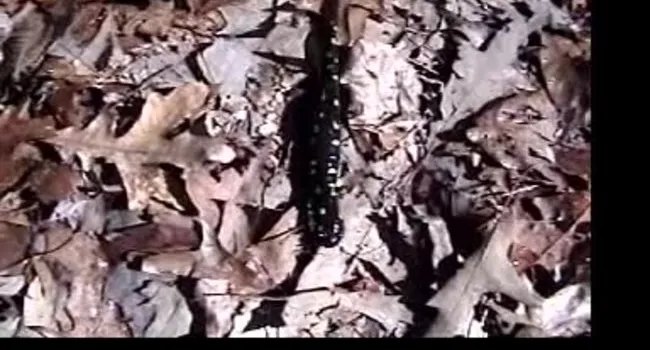
 Spotted Salamander | The Cove Forest

Video

Grades

  • 3
  • 4
  • 5
  • 6
  • 7
  • 8
  • 9
  • 10
  • 11
  • 12
Spotted Salamander | The Cove Forest
(Ambystoma maculatum) The spotted salamander is one of the most colorful of the ambystomid salamanders. The shiny black back of the animal has a series of large yellow/yellow orange spots. These...
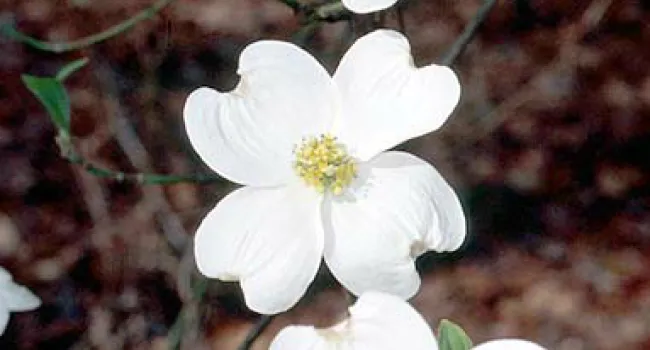
Flowering Dogwood | The Cove Forest

Photo

Grades

  • 6
  • 7
  • 8
  • 9
  • 10
  • 11
  • 12
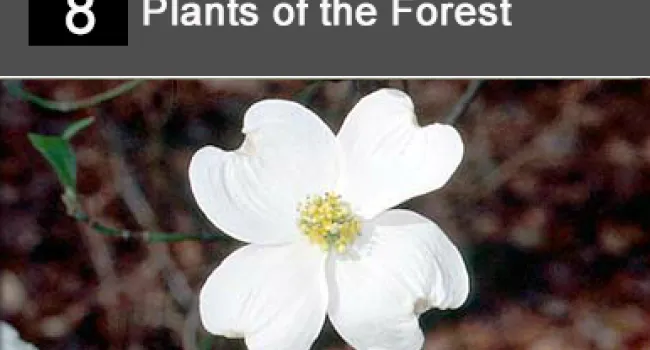
Flowering Dogwood | The Cove Forest
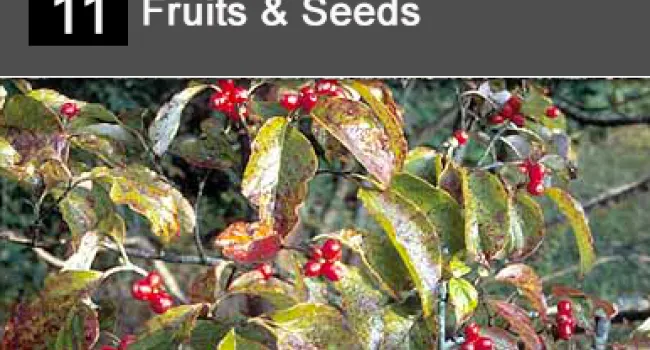
(Cornus florida) This small understory tree of forests is also widely planted in residential areas. In spring, clusters of small greenish flowers surrounded by four large white petal-like bracts are...
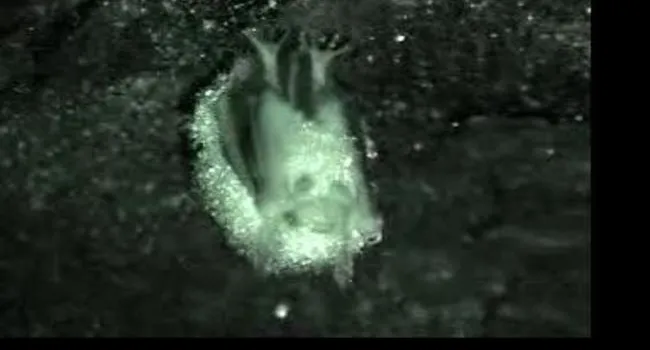
 Eastern Pipistrelle Bat | The Cove Forest

Video

Grades

  • 3
  • 4
  • 5
  • 6
  • 7
  • 8
  • 9
  • 10
  • 11
  • 12
Eastern Pipistrelle Bat | The Cove Forest
The pipistrelle is the smallest bat in the southern US. This is one of the most common bats in the cove forest. This bat is a very early evening feeder and tends to feed at treetop levels.
 Short-Tailed Shrew | The Cove Forest

Video

Grades

  • 3
  • 4
  • 5
  • 6
  • 7
  • 8
  • 9
  • 10
  • 11
  • 12
Short-Tailed Shrew | The Cove Forest
This shrew is very common and is one of the largest of the various shrew species weighing 11- 30 g. Food consists mainly of invertebrates such as earthworms, snails, and insects. However, these shrews...
 Deer Mouse | The Cove Forest

Video

Grades

  • 3
  • 4
  • 5
  • 6
  • 7
  • 8
  • 9
  • 10
  • 11
  • 12
Deer Mouse | The Cove Forest
(peromyscus maniculatus) This rodent is the most important prey item for the avian and mammalian predators that frequent the cove forest. This specis is the most widespread of North American rodents...
 Masked Shrew | The Cove Forest

Video

Grades

  • 3
  • 4
  • 5
  • 6
  • 7
  • 8
  • 9
  • 10
  • 11
  • 12
Masked Shrew | The Cove Forest
(sorex cinereus) This insectivore is related to the common moles. It is one of the smallest mammals found in the United States weighing between 2-5 g. It is constantly active with a very high...
Red Bat | The Cove Forest Red-Backed Vole | The Cove Forest

Video

Grades

  • 3
  • 4
  • 5
  • 6
  • 7
  • 8
  • 9
  • 10
  • 11
  • 12
Red-Backed Vole | The Cove Forest
(clethrionomys gapper) This rodent is a relative of the muskrat and lemming. This vole is found only in cove forests at higher altitudes in the mountains of South Carolina. It is semifossorial using...
Eastern Box Turtle | The Cove Forest Rat Snake | The Cove Forest

Video

Grades

  • 3
  • 4
  • 5
  • 6
  • 7
  • 8
  • 9
  • 10
  • 11
  • 12
Rat Snake | The Cove Forest
(Elaphe obsoleta) The rat snake is one of the most diurnal of snakes found in the cove forest. This snake is a very adept climber and is frequently found climbing trees and nesting in tree cavities...
 Eastern Box Turtle | The Cove Forest

Video

Grades

  • 3
  • 4
  • 5
  • 6
  • 7
  • 8
  • 9
  • 10
  • 11
  • 12
Eastern Box Turtle | The Cove Forest
(Terrapene carolina) This turtle is very common and is highly terrestrial. The males have red eyes and the bottom of the shell (plastron) is scoped out; while the females have brown/yellow eyes and a...