09. Animals of the Forest

Many, many types of animals make their home in the cove forest, including amphibians, reptiles, mammals and birds. Click on the topics below to see some of the various species that live in the cove forest.

Ringneck Snake | The Cove Forest

Photo

Grades

  • 6
  • 7
  • 8
  • 9
  • 10
  • 11
  • 12
Ringneck Snake | The Cove Forest
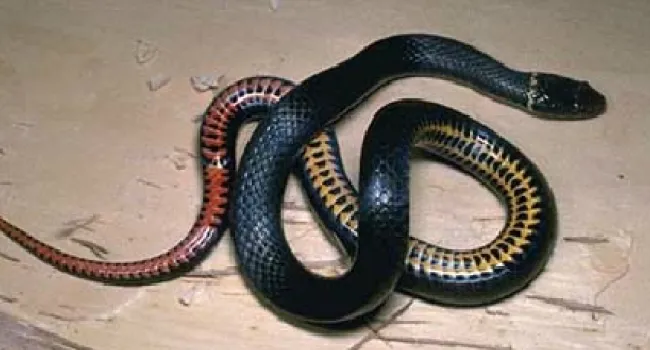
(Diadophis punctatus) The ringneck is very secretive and highly nocturnal. They are found under logs and rocks in moist areas. Earthworms and small salamanders are their chief prey.
Northern Water Snake | The Cove Forest

Photo

Grades

  • 6
  • 7
  • 8
  • 9
  • 10
  • 11
  • 12
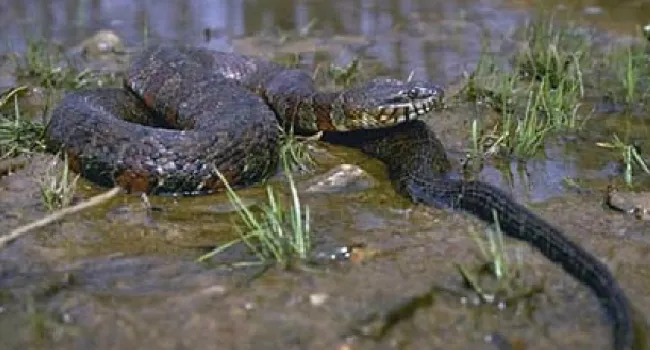
Northern Water Snake | The Cove Forest
(Nerodia sipedon) This aquatic snake is usually found in slow moving bodies of water. This snake is often found basking on logs in the water or on rocks close to the body of water. Fish and amphibians...
Copperhead | The Cove Forest

Photo

Grades

  • 6
  • 7
  • 8
  • 9
  • 10
  • 11
  • 12
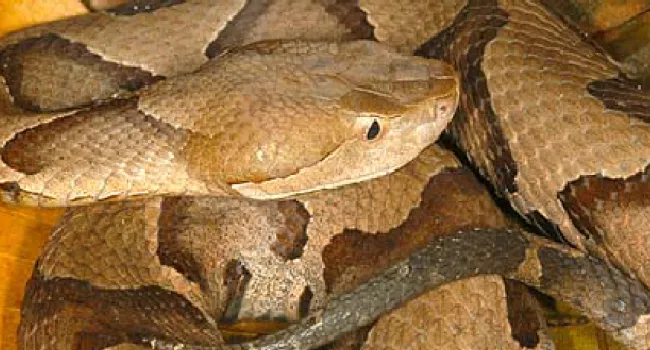
Copperhead | The Cove Forest
(Agkistrodon contortrix) The copperhead is the primary poisonous snake in the cove forest. The pit located on each side of the head between the eye and the nasal opening is a heat sensor. The prey...
Eastern Garter Snake | The Cove Forest

Photo

Grades

  • 6
  • 7
  • 8
  • 9
  • 10
  • 11
  • 12
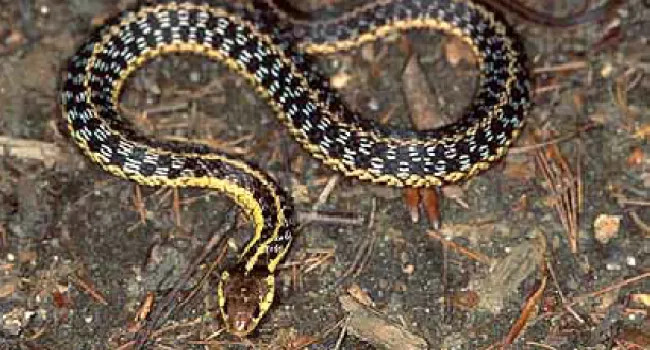
Eastern Garter Snake | The Cove Forest
(Thamnophis sirtalis) This snake has a wide geographic range and is the only snake that extends its range into the northern reaches of Canada. Frogs and salamanders are the primary prey of the garter...
Red Bat | The Cove Forest

Photo

Grades

  • 6
  • 7
  • 8
  • 9
  • 10
  • 11
  • 12
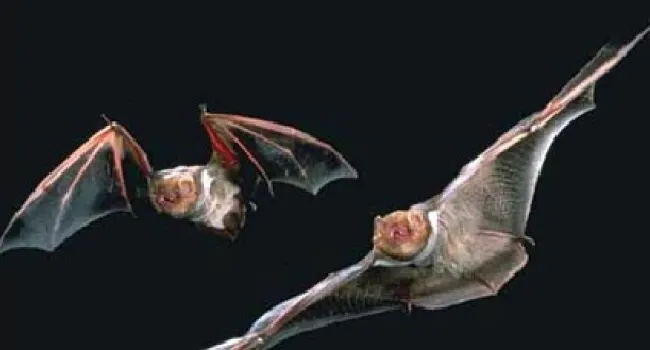
Red Bat | The Cove Forest
(Lasiurus borealis) This bat is one of the most beautiful bats in the US. Red bats roost in trees and shrubs during the day. Moths are one of their preferred prey items.
Gray Fox | The Cove Forest

Photo

Grades

  • 6
  • 7
  • 8
  • 9
  • 10
  • 11
  • 12
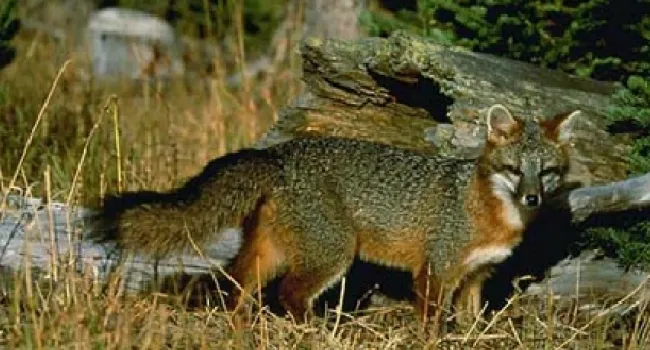
Gray Fox | The Cove Forest
(Urocyon cinereoargneteus) This fox is widely distributed and associated with decidous forests. The gray fox is an omnivore and will eat fruit, insects and small mammal prey items. This is the only...
Flying Squirrel | The Cove Forest

Photo

Grades

  • 6
  • 7
  • 8
  • 9
  • 10
  • 11
  • 12
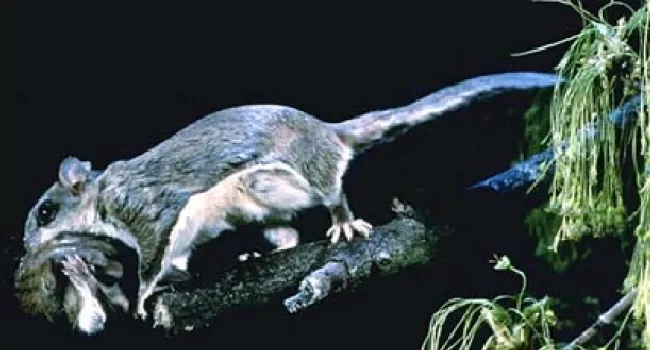
Flying Squirrel | The Cove Forest
(Glaucomys volans) This squirrel is one of the most common squirrels in the cove forests. Few are seen since they are strictly nocturnal. The flying squirrel does not fly, rather it glides by using...
Eastern Chipmunk | The Cove Forest

Photo

Grades

  • 6
  • 7
  • 8
  • 9
  • 10
  • 11
  • 12
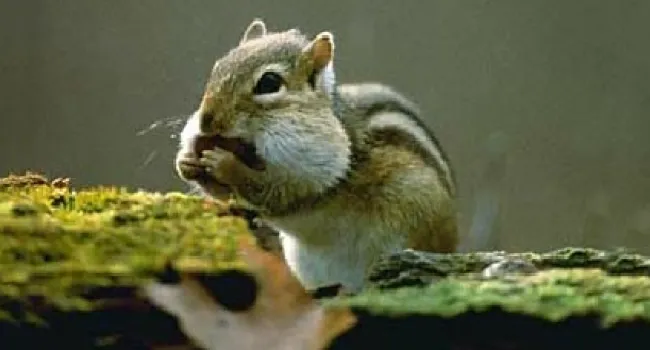
Eastern Chipmunk | The Cove Forest
(Tamias striatus) This ground squirrel is a burrowing mammal but is adept at climbing through trees. Nuts and seeds are the primary food sources; however, flowers, leaves, fungi and small amphibians...
Golden Mouse | The Cove Forest

Photo

Grades

  • 6
  • 7
  • 8
  • 9
  • 10
  • 11
  • 12
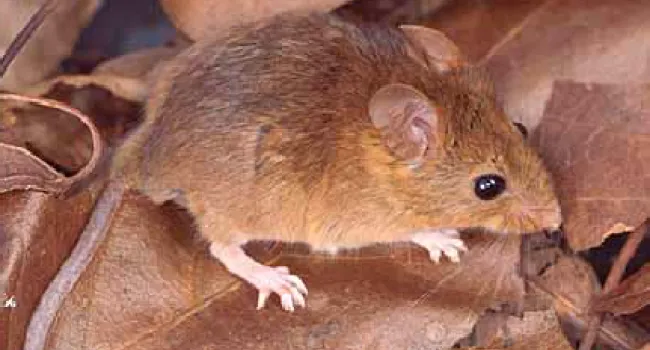
Golden Mouse | The Cove Forest
(Ochrotomys nuttali) This rodent is one of the most beautiful of our native mice. A light to brilliant orange-gold fur is characterstic of the adults. This mouse uses shrubs and vines as a serial...
Hooded Warbler | The Cove Forest

Photo

Grades

  • 6
  • 7
  • 8
  • 9
  • 10
  • 11
  • 12
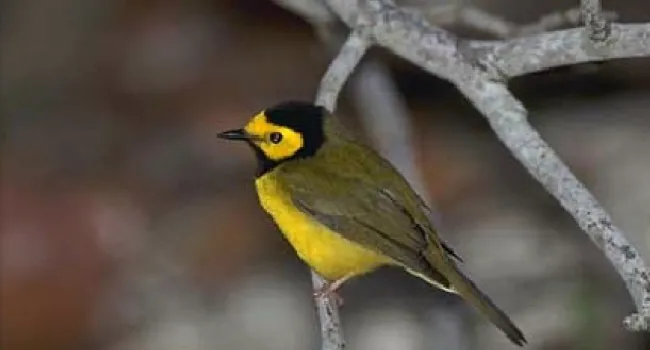
Hooded Warbler | The Cove Forest
(Wilsonia citrina) These warblers are common in the moist hardwood forests of the southeast. Their feeding activity is usually concentrated in the understory bushes. They consume insects on the ground...
Ovenbird | The Cove Forest

Photo

Grades

  • 6
  • 7
  • 8
  • 9
  • 10
  • 11
  • 12
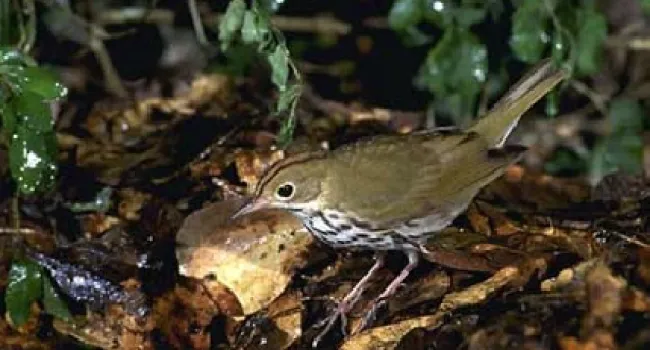
Ovenbird | The Cove Forest
(Seiurus aurocapillus) This bird requires mature hardwood forests for successful breeding. Often observed walking on the leaf litter of the forest floor searching for insects. Its call is heard as a...
Acadian Flycatcher | The Cove Forest

Photo

Grades

  • 6
  • 7
  • 8
  • 9
  • 10
  • 11
  • 12
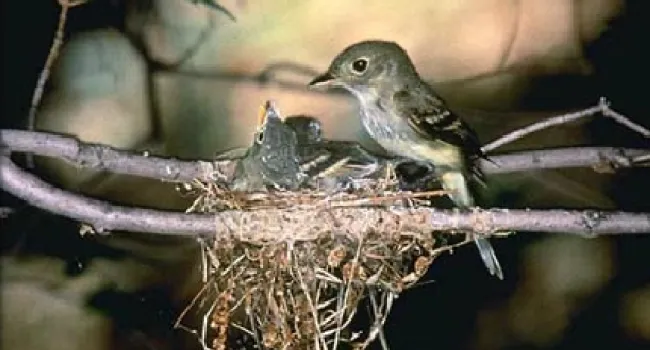
Acadian Flycatcher | The Cove Forest
(Empidonax virescens) This flycatcher prefers deciduous forests that are associated with relatively moist habitats such as those found along rivers. High affinity for sites with high shrub densities...
Worm-Eating Warbler | The Cove Forest

Photo

Grades

  • 6
  • 7
  • 8
  • 9
  • 10
  • 11
  • 12
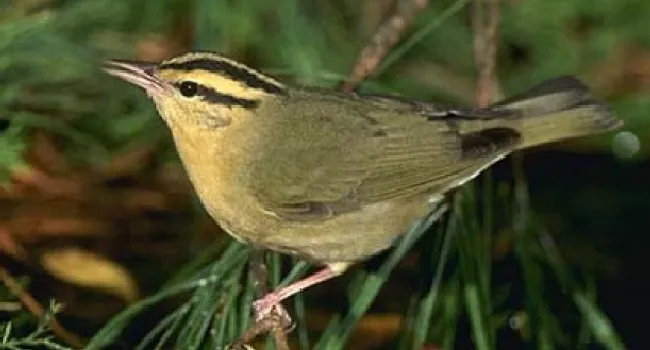
Worm-Eating Warbler | The Cove Forest
(Helmitheros vermivorus) An insect eater that does not feed heavily on earthworms. Most feeding is concentrated at the ground or shrub levels. Prefers dense wooded areas, especially cool, shaded...
Scarlet Tanager | The Cove Forest

Photo

Grades

  • 6
  • 7
  • 8
  • 9
  • 10
  • 11
  • 12
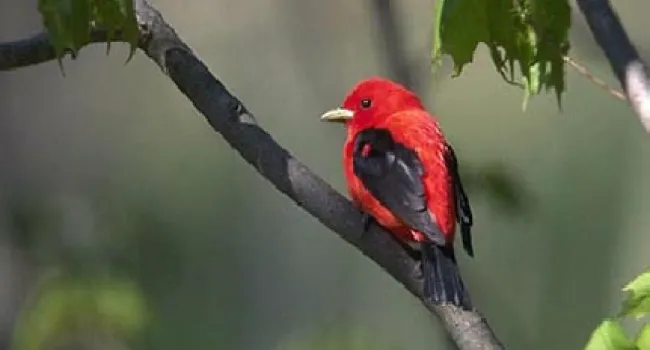
Scarlet Tanager | The Cove Forest
(Piranga olivacea) This species is also usually in the top ten list of common birds in mature oak-hickory and cove hardwood forests. Prefers to forage in oak trees and in forests with closed canopies...
Black-Throated Blue Warbler | The Cove Forest

Photo

Grades

  • 6
  • 7
  • 8
  • 9
  • 10
  • 11
  • 12
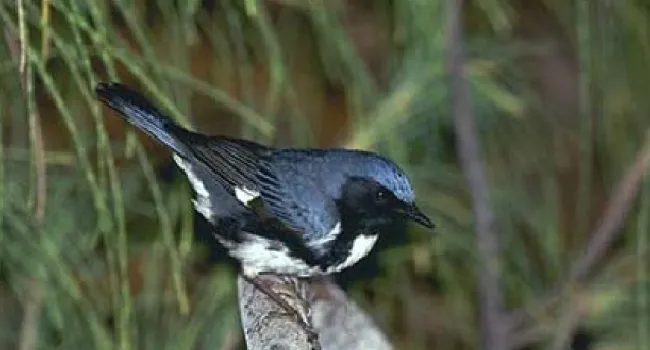
Black-Throated Blue Warbler | The Cove Forest
(Dendroica caerulescens) This warbler prefers to forages in the shrub layer associated with the cove forests, especially rhododendron thickets, hobble bush and mountain laurel. Has an affinity for...
Red-Eyed Vireo | The Cove Forest

Photo

Grades

  • 6
  • 7
  • 8
  • 9
  • 10
  • 11
  • 12
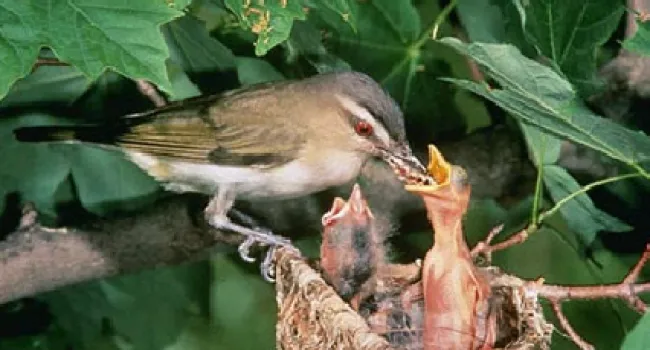
Red-Eyed Vireo | The Cove Forest
(Vireo olivaceus) One of the most common birds in the cove forest, but rarely seen since this species feeds in the treetops. This species is usually in the top ten list of common birds in mature oak...
White-Breasted Nuthatch | The Cove Forest

Photo

Grades

  • 6
  • 7
  • 8
  • 9
  • 10
  • 11
  • 12
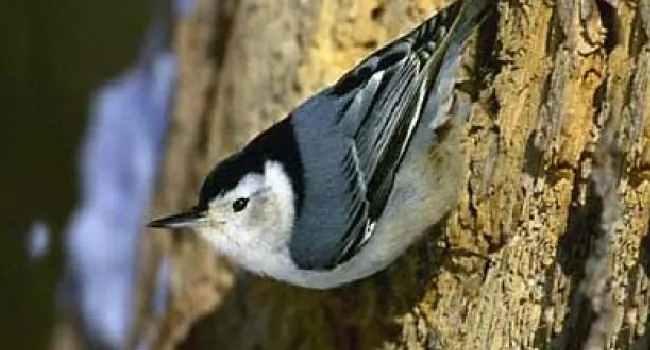
White-Breasted Nuthatch | The Cove Forest
(Sitta carolinensis) Typically found in mature hardwood forests. Forages for insects on the trunk and large branches of tress by hopping up and down clinging to the bark. In the winter stores or...
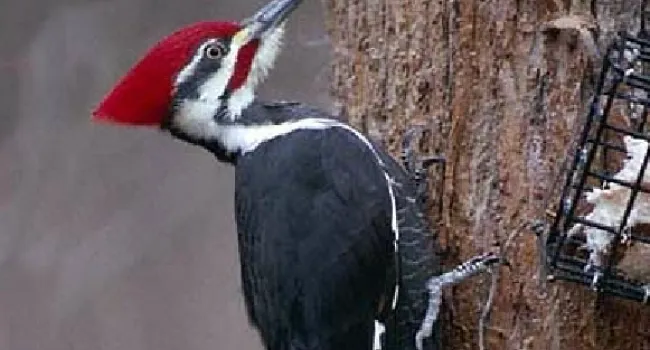
Pileated Woodpecker | The Cove Forest

Photo

Grades

  • 6
  • 7
  • 8
  • 9
  • 10
  • 11
  • 12
Pileated Woodpecker | The Cove Forest
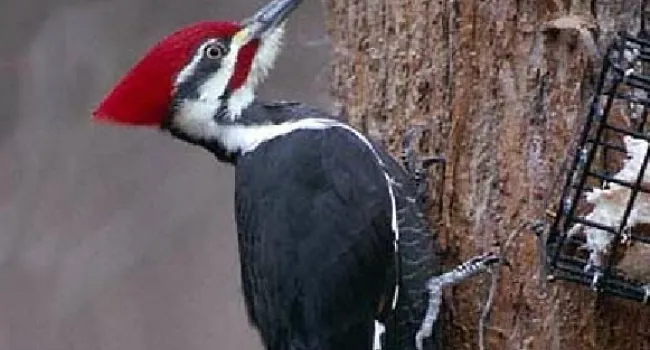
The largest woodpecker in the United States that produced rectangular holes in dead trees, a favorite food of this bird is the carpenter ant. Mature hardwood forests are favored by this species and it...
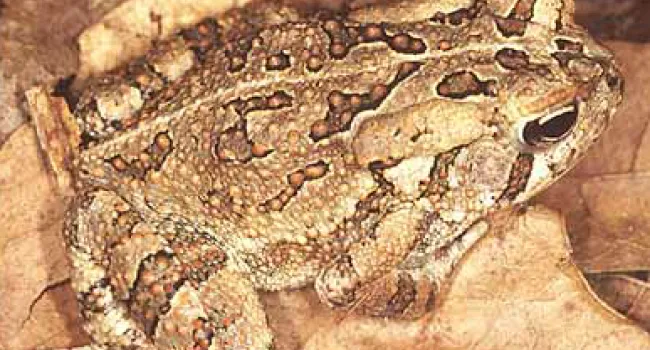
Fowler's Toad | The Cove Forest

Photo

Grades

  • 3
  • 4
  • 5
  • 6
  • 7
  • 8
  • 9
  • 10
  • 11
  • 12
Fowler's Toad | The Cove Forest
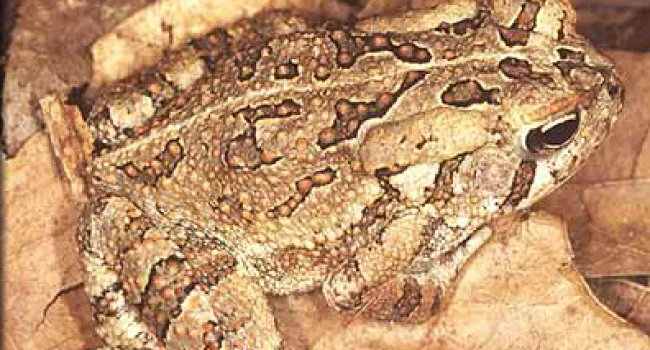
(Bufo fowler) This toad is commonly found in the deciduous woods of the Carolinas. It differs from the American Toad by having more than two warts in each dorsal dark spot. The large glands behind the...
 Two-Lined Salamander | The Cove Forest

Video

Grades

  • 3
  • 4
  • 5
  • 6
  • 7
  • 8
  • 9
  • 10
  • 11
  • 12
Two-Lined Salamander | The Cove Forest
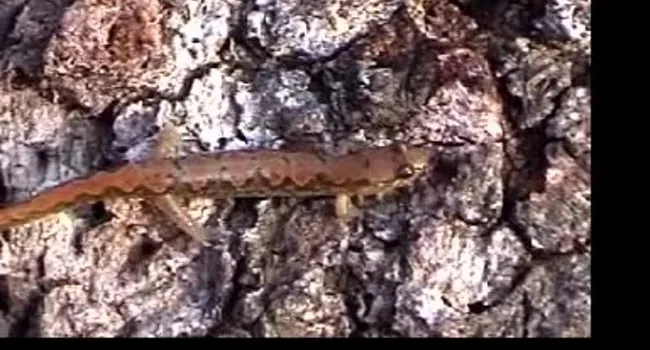
(Eurycea bislineata) The two-lined is one of the smallest salamanders in the cove forest. This species is found under logs and rocks in the moist soil conditions, usually near water. Breeding occurs...
 Jordan's Salamander | The Cove Forest

Video

Grades

  • 3
  • 4
  • 5
  • 6
  • 7
  • 8
  • 9
  • 10
  • 11
  • 12
Jordan's Salamander | The Cove Forest
(Plenthodon jordani) This lungless salamander is extremely abundant in cove forests at higher altitudes. Large quantities of sticky mucus are secreted by the tail for protection against avian...
 Red Salamader | The Cove Forest

Video

Grades

  • 3
  • 4
  • 5
  • 6
  • 7
  • 8
  • 9
  • 10
  • 11
  • 12
Red Salamader | The Cove Forest
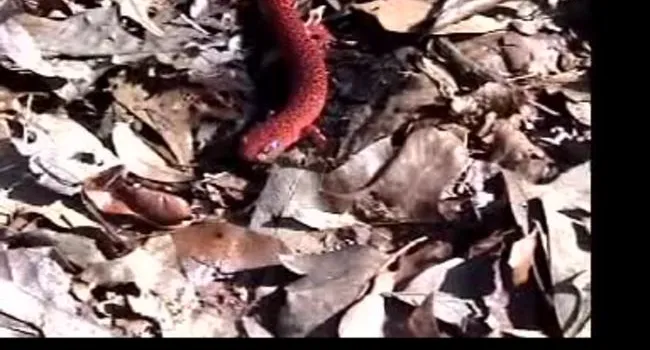
(Pseudotrition ruber) The red is one of the most beautiful salamanders in the cove forest. Colors range from purplish brown to deep orange-red. It is lungless and terrestrial. Eggs are laid in water...
 Ocoee Salamander  | The Cove Forest

Video

Grades

  • 3
  • 4
  • 5
  • 6
  • 7
  • 8
  • 9
  • 10
  • 11
  • 12
Ocoee Salamander | The Cove Forest
(Desmognathus ocoee) The ocoee salamander is lungless and lives in streams in wet areas adjacent to streams. It has a highly variable dorsal color patterning; usually a series of connected paired...
 Black-Bellied Salamander | The Cove Forest

Video

Grades

  • 3
  • 4
  • 5
  • 6
  • 7
  • 8
  • 9
  • 10
  • 11
  • 12
Black-Bellied Salamander | The Cove Forest
(Desmognathus quadramaculatus) This is the largest of the lungless salamanders in the cove forests. They are usually found in streams that have a rocky bottom and usually rest on wet rocks near these...