Deer Mouse | The Cove Forest

Kaltura

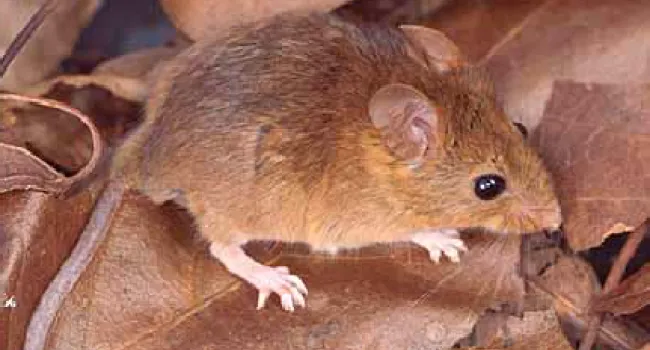
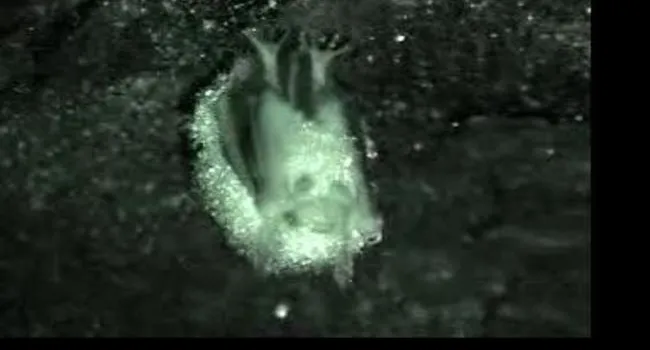
(peromyscus maniculatus)

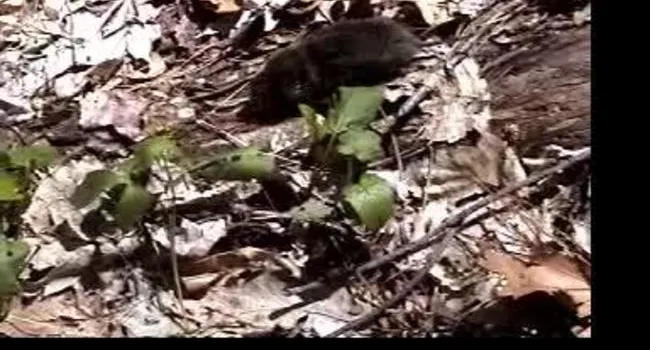
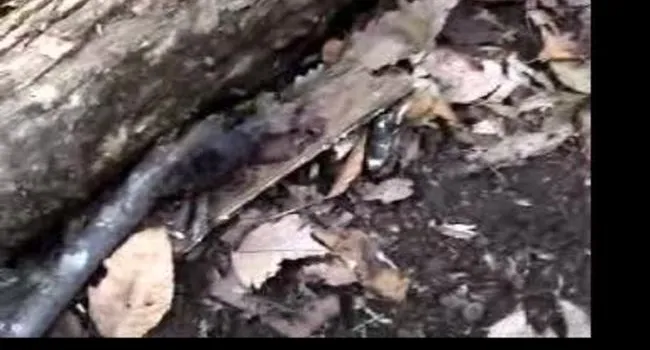
This rodent is the most important prey item for the avian and mammalian predators that frequent the cove forest. This specis is the most widespread of North American rodents. This nocturnal species sucrries around and nests in trees and under rocks. Food includes seed, fruit, nuts and underground fungus. In cold weather the deer mouse can enter a type of deep sleep called daily torpor with body temperatures dropping to 50 F from 98 F up to 12 hours.
More in this Series

SC LIFE / The Cove Forest / 09. Animals of the Forest / Mammals

Eastern Chipmunk | The Cove Forest

Photo

Grades

  • 6
  • 7
  • 8
  • 9
  • 10
  • 11
  • 12
Eastern Chipmunk | The Cove Forest
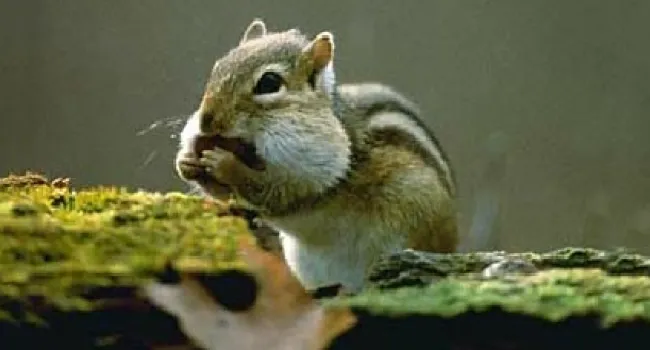
(Tamias striatus) This ground squirrel is a burrowing mammal but is adept at climbing through trees. Nuts and seeds are the primary food sources; however, flowers, leaves, fungi and small amphibians...
Deer Mouse | The Cove Forest Eastern Pipistrelle Bat | The Cove Forest

Video

Grades

  • 3
  • 4
  • 5
  • 6
  • 7
  • 8
  • 9
  • 10
  • 11
  • 12
Eastern Pipistrelle Bat | The Cove Forest
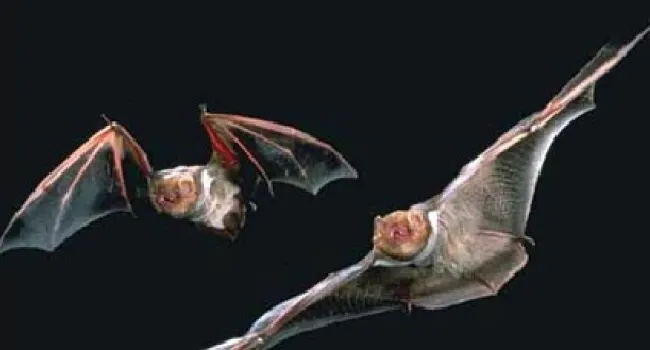
The pipistrelle is the smallest bat in the southern US. This is one of the most common bats in the cove forest. This bat is a very early evening feeder and tends to feed at treetop levels.
Flying Squirrel | The Cove Forest

Photo

Grades

  • 6
  • 7
  • 8
  • 9
  • 10
  • 11
  • 12
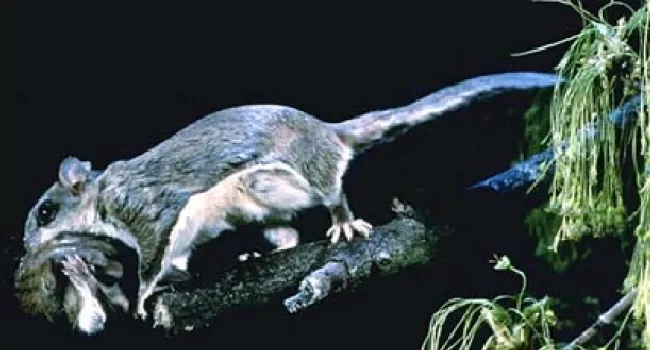
Flying Squirrel | The Cove Forest
(Glaucomys volans) This squirrel is one of the most common squirrels in the cove forests. Few are seen since they are strictly nocturnal. The flying squirrel does not fly, rather it glides by using...
Golden Mouse | The Cove Forest

Photo

Grades

  • 6
  • 7
  • 8
  • 9
  • 10
  • 11
  • 12
Golden Mouse | The Cove Forest
(Ochrotomys nuttali) This rodent is one of the most beautiful of our native mice. A light to brilliant orange-gold fur is characterstic of the adults. This mouse uses shrubs and vines as a serial...
Gray Fox | The Cove Forest

Photo

Grades

  • 6
  • 7
  • 8
  • 9
  • 10
  • 11
  • 12
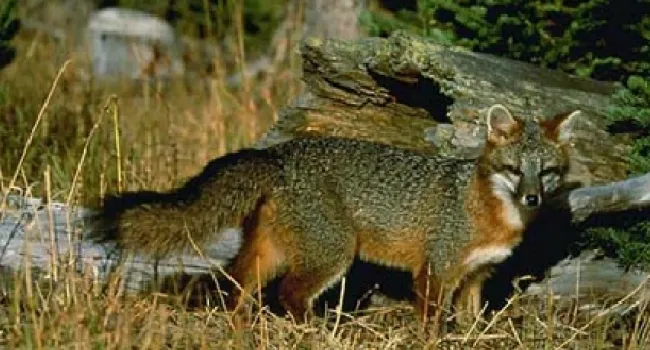
Gray Fox | The Cove Forest
(Urocyon cinereoargneteus) This fox is widely distributed and associated with decidous forests. The gray fox is an omnivore and will eat fruit, insects and small mammal prey items. This is the only...
Deer Mouse | The Cove Forest Masked Shrew | The Cove Forest

Video

Grades

  • 3
  • 4
  • 5
  • 6
  • 7
  • 8
  • 9
  • 10
  • 11
  • 12
Masked Shrew | The Cove Forest
(sorex cinereus) This insectivore is related to the common moles. It is one of the smallest mammals found in the United States weighing between 2-5 g. It is constantly active with a very high...
Red Bat | The Cove Forest

Photo

Grades

  • 6
  • 7
  • 8
  • 9
  • 10
  • 11
  • 12
Red Bat | The Cove Forest
(Lasiurus borealis) This bat is one of the most beautiful bats in the US. Red bats roost in trees and shrubs during the day. Moths are one of their preferred prey items.
Deer Mouse | The Cove Forest Red-Backed Vole | The Cove Forest

Video

Grades

  • 3
  • 4
  • 5
  • 6
  • 7
  • 8
  • 9
  • 10
  • 11
  • 12
Red-Backed Vole | The Cove Forest
(clethrionomys gapper) This rodent is a relative of the muskrat and lemming. This vole is found only in cove forests at higher altitudes in the mountains of South Carolina. It is semifossorial using...
Deer Mouse | The Cove Forest Short-Tailed Shrew | The Cove Forest

Video

Grades

  • 3
  • 4
  • 5
  • 6
  • 7
  • 8
  • 9
  • 10
  • 11
  • 12
Short-Tailed Shrew | The Cove Forest
This shrew is very common and is one of the largest of the various shrew species weighing 11- 30 g. Food consists mainly of invertebrates such as earthworms, snails, and insects. However, these shrews...