


Explore South Carolina

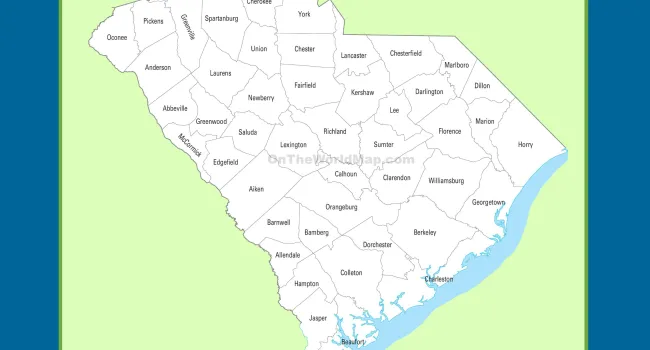
Learn about South Carolina. You may be surprised at what you'll find!  

In addition to the topics below, you can also delve into South Carolina's history by visiting the Social Studies section.

Public schools observe John C. Calhoun's birthday, March 18, as South Carolina Day. 


Within this Collection

Content Type
Flowering Dogwood | Forty Acre Rock (S.C.) Forty Acre Rock (S.C.) Stop 3 6

Video

Grades

  • 3
  • 4
  • 5
  • 6
  • 7
  • 8
  • 9
  • 10
  • 11
  • 12
Forty Acre Rock (S.C.) Stop 3
Episode 6
Vernal Pools - Red Cedar trees commonly populate these rock outcropping areas. Lichens break down the rock surface, creating the dirt in which plants can grow. Black Rock Moss Haircap Moss...
Flowering Dogwood | Forty Acre Rock (S.C.) Forty Acre Rock (S.C.) Stop 6 9

Video

Grades

  • 3
  • 4
  • 5
  • 6
  • 7
  • 8
  • 9
  • 10
  • 11
  • 12
Forty Acre Rock (S.C.) Stop 6
Episode 9
Large masses of granite such as this one, are sometimes called “Plutons,” named after the Roman god of the underworld. This is due the hot liquid granite coming up from the ground and cooling...
Flowering Dogwood | Forty Acre Rock (S.C.) Forty Acre Rock (S.C.) Stop 4 7

Video

Grades

  • 3
  • 4
  • 5
  • 6
  • 7
  • 8
  • 9
  • 10
  • 11
  • 12
Forty Acre Rock (S.C.) Stop 4
Episode 7
After the rock gets broken down into soil, the first species of plant life to grow in these areas are mainly Stonecrops, along with Rock Sandwort.
Mayapple | Appalachian Cove (S.C.) | NatureScene Appalachian Cove (S.C.) Stop 2 4

Video

Grades

  • 3
  • 4
  • 5
  • 6
  • 7
  • 8
  • 9
  • 10
  • 11
  • 12
Appalachian Cove (S.C.) Stop 2
Episode 4
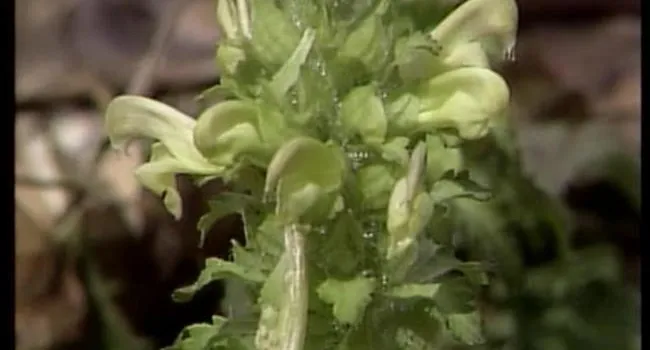
Before the trees start to bloom, the flowers in the area explode with blossoms first. Here we see Lousewort and Pennywort flowers. While observing the flowers, Rudy and Jim come across a Black Chinned...
Mayapple | Appalachian Cove (S.C.) | NatureScene Appalachian Cove (S.C.) Stop 3 7

Video

Grades

  • 3
  • 4
  • 5
  • 6
  • 7
  • 8
  • 9
  • 10
  • 11
  • 12
Appalachian Cove (S.C.) Stop 3
Episode 7
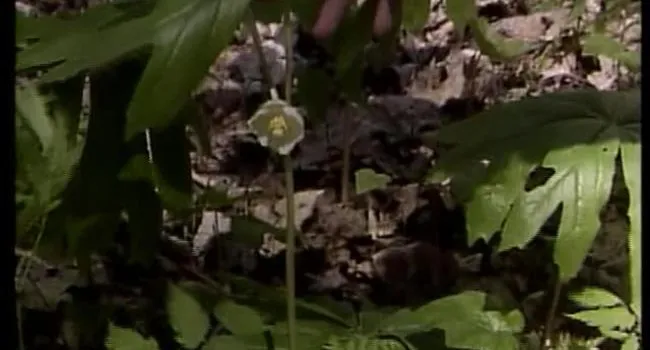
Another characteristic of this forest which makes it unique is that it is has remained relatively unchanged for millions of years. The Mayapple flower is a common flower in the area, and features an...
Springtime Darner Dragonfly | Appalachian Cove (S.C.) | NatureScene Appalachian Cove (S.C.) Stop 1 1

Video

Grades

  • 3
  • 4
  • 5
  • 6
  • 7
  • 8
  • 9
  • 10
  • 11
  • 12
Appalachian Cove (S.C.) Stop 1
Episode 1
Rudy and Jim visit Appalachian Cove, in the Blue Ridge Mountains of South Carolina. Some of the flowering plants found here have cousins nowhere else in the world except China and Japan. At this first...
Silkworm Moth | Appalachian Cove (S.C.) | NatureScene Appalachian Cove (S.C.) Stop 5 11

Video

Grades

  • 3
  • 4
  • 5
  • 6
  • 7
  • 8
  • 9
  • 10
  • 11
  • 12
Appalachian Cove (S.C.) Stop 5
Episode 11
In the same stop, Rudy and Jim talk about the plants growing on a nearby rock: moss, Walking Fern, and another Canada Violet. On a nearby tree, Rudy and Jim find a cocoon of a Large Silkworm Moth.
Silkworm Moth | Appalachian Cove (S.C.) | NatureScene Appalachian Cove (S.C.) Stop 6 12

Video

Grades

  • 3
  • 4
  • 5
  • 6
  • 7
  • 8
  • 9
  • 10
  • 11
  • 12
Appalachian Cove (S.C.) Stop 6
Episode 12
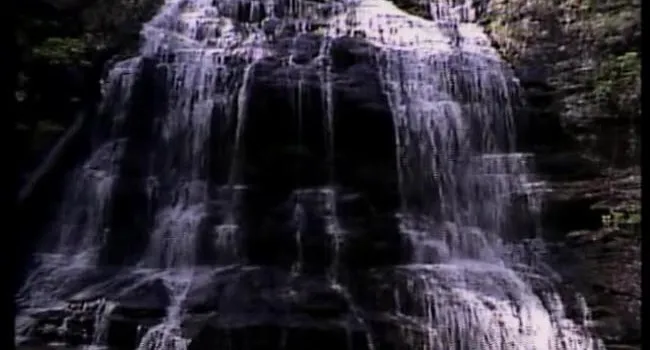
The constant stream of mist coming from the waterfall at this next stop affects the variety of plants found here. The mountain, like the forest, is ancient, and the waterfall continues to wear away...
Springtime Darner Dragonfly | Appalachian Cove (S.C.) | NatureScene Appalachian Cove (S.C.) Stop 5 10

Video

Grades

  • 3
  • 4
  • 5
  • 6
  • 7
  • 8
  • 9
  • 10
  • 11
  • 12
Appalachian Cove (S.C.) Stop 5
Episode 10
At this next stop, Rudy and Jim find Canada Violets, White Trillium, Blue Cohosh, and a Green Frog can be seen close-by near the stream. Other plants which dominate the area are Yellow Buckeye trees...
Silkworm Moth | Appalachian Cove (S.C.) | NatureScene Appalachian Cove (S.C.) Stop 2 6

Video

Grades

  • 3
  • 4
  • 5
  • 6
  • 7
  • 8
  • 9
  • 10
  • 11
  • 12
Appalachian Cove (S.C.) Stop 2
Episode 6
The increased amount of rain makes for a much more diversified forest when it comes to the tall trees in the area. Here we see the Tulip Tree, and the Understory Tree. Along the way Rudy and Jim come...
Springtime Darner Dragonfly | Appalachian Cove (S.C.) | NatureScene Appalachian Cove (S.C.) Stop 1 2

Video

Grades

  • 3
  • 4
  • 5
  • 6
  • 7
  • 8
  • 9
  • 10
  • 11
  • 12
Appalachian Cove (S.C.) Stop 1
Episode 2
Some of the trees found in the area also have blossoms. The redbud is one example. On a nearby hickory tree, Rudy and Jim come across a woodpecker called a yellow bellied sap-sucker, which has come to...
Silkworm Moth | Appalachian Cove (S.C.) | NatureScene Appalachian Cove (S.C.) Stop 3 8

Video

Grades

  • 3
  • 4
  • 5
  • 6
  • 7
  • 8
  • 9
  • 10
  • 11
  • 12
Appalachian Cove (S.C.) Stop 3
Episode 8
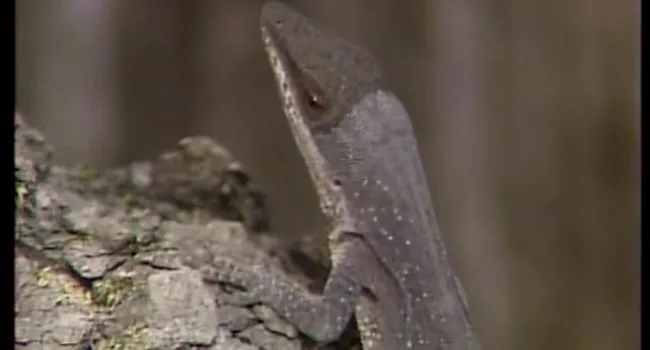
In the same stop, Rudy and Jim find a species of reptile called the Green Anole lizard, and they describe the differences between a salamander and a lizard. Illustrating more of the forest’s diversity...
Mayapple | Appalachian Cove (S.C.) | NatureScene Appalachian Cove (S.C.) Stop 2 5

Video

Grades

  • 3
  • 4
  • 5
  • 6
  • 7
  • 8
  • 9
  • 10
  • 11
  • 12
Appalachian Cove (S.C.) Stop 2
Episode 5
When pieces of trees fall to the ground, nature has a way to recycle that debris. A species of mushroom known as the False Turkey Tail helps break down the rotting wood, adding nutrients to soil in...
Silkworm Moth | Appalachian Cove (S.C.) | NatureScene Appalachian Cove (S.C.) Stop 2 3

Video

Grades

  • 3
  • 4
  • 5
  • 6
  • 7
  • 8
  • 9
  • 10
  • 11
  • 12
Appalachian Cove (S.C.) Stop 2
Episode 3
Cove forests are very popular with visitors, due to the rich bottom soil found here. One animal which does very well in these areas is the beaver. Its work can be seen here with its telltale signs of...
Silkworm Moth | Appalachian Cove (S.C.) | NatureScene Appalachian Cove (S.C.) Stop 4 9

Video

Grades

  • 3
  • 4
  • 5
  • 6
  • 7
  • 8
  • 9
  • 10
  • 11
  • 12
Appalachian Cove (S.C.) Stop 4
Episode 9
The cove got its shape from streams of water periodically carving out the rock. Witch Hazel and Rhododendrons are species of plants which benefit from the moisture of nearby streams.
 Sandy Island (S.C.) Stop 7 8

Video

Grades

  • 3
  • 4
  • 5
  • 6
  • 7
  • 8
  • 9
  • 10
  • 11
  • 12
Sandy Island (S.C.) Stop 7
Episode 8
In this next area, Rudy and Jim come across a raccoon skull, which was most likely killed by a predator. A canebrake rattlesnake rests coiled up on a bed of leaves, showing how it perfectly blends in...
 Sandy Island (S.C.) Stop 9 11

Video

Grades

  • 3
  • 4
  • 5
  • 6
  • 7
  • 8
  • 9
  • 10
  • 11
  • 12
Sandy Island (S.C.) Stop 9
Episode 11
While strolling through the longleaf pine forest, Rudy and Jim come across a prominent moth. Its color pattern on the wings mimics tree bark near perfectly, making it tougher for predators to spot...
 Sandy Island (S.C.) Stop 2 3

Video

Grades

  • 3
  • 4
  • 5
  • 6
  • 7
  • 8
  • 9
  • 10
  • 11
  • 12
Sandy Island (S.C.) Stop 2
Episode 3
The Earthstar is a star shaped species of fungus which commonly grows on these dunes.
 Sandy Island (S.C.) Stop 4 5

Video

Grades

  • 3
  • 4
  • 5
  • 6
  • 7
  • 8
  • 9
  • 10
  • 11
  • 12
Sandy Island (S.C.) Stop 4
Episode 5
Rudy and Jim visit an ecotone, which is a line between two different habitats: one more dry, and one moister. Here we see a fetterbush, the inkberry or gallberry, which is another species of holly...
Sandy Island (S.C.) Stop 8 - White Ibis And Eastern Cottonmouth
   - Episode 10 Sandy Island (S.C.) Stop 8 9

Video

Grades

  • 3
  • 4
  • 5
  • 6
  • 7
  • 8
  • 9
  • 10
  • 11
  • 12
Sandy Island (S.C.) Stop 8
Episode 9
Cypress Tupelo Swamp: The ground here close to Indian Lake is perfect for tree species such as old cypress, red maples, and tupelos. Water pennywort resides in the water itself, and mistletoe is both...
 Sandy Island (S.C.) Stop 3 4

Video

Grades

  • 3
  • 4
  • 5
  • 6
  • 7
  • 8
  • 9
  • 10
  • 11
  • 12
Sandy Island (S.C.) Stop 3
Episode 4
Sandy Island features around thirteen plant communities. At their next stop, Rudy and Jim discuss the plant life which resides here. They talk about reindeer moss, a species of lichen, and what...
 Sandy Island (S.C.) Stop 2 2

Video

Grades

  • 3
  • 4
  • 5
  • 6
  • 7
  • 8
  • 9
  • 10
  • 11
  • 12
Sandy Island (S.C.) Stop 2
Episode 2
Jim and Rudy discuss the composition of the sand dunes on Sandy Island, and how wind and water have shifted the dunes over time. The waters between these slopes make perfect hunting ground for local...
 Sandy Island (S.C.) Stop 5 6

Video

Grades

  • 3
  • 4
  • 5
  • 6
  • 7
  • 8
  • 9
  • 10
  • 11
  • 12
Sandy Island (S.C.) Stop 5
Episode 6
Rudy and Jim walk through a longleaf pine habitat, and come across a loblolly pine with a red-cockaded woodpecker nest. We also see Turkey oak trees, and yellow jessamine flowers. The yellow jessamine...
 Sandy Island (S.C.) Stop 1 1

Video

Grades

  • 3
  • 4
  • 5
  • 6
  • 7
  • 8
  • 9
  • 10
  • 11
  • 12
Sandy Island (S.C.) Stop 1
Episode 1
Rudy and Jim visit Sandy Island, off the South Carolina coast, near Georgetown. Sandy Island is the largest undeveloped fresh water island on the East coast, consisting mainly of sand dunes, and...