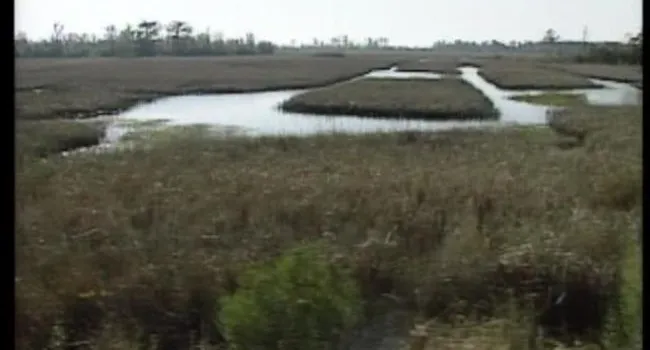
Agriculture has always been an important part of our lives here in South Carolina! 

Darla Moore | Carolina Snaps Peaches | Carolina Snaps

Video

Grades

  • 6
  • 7
  • 8
  • 9
  • 10
  • 11
  • 12
  • Higher Education
Peaches | Carolina Snaps
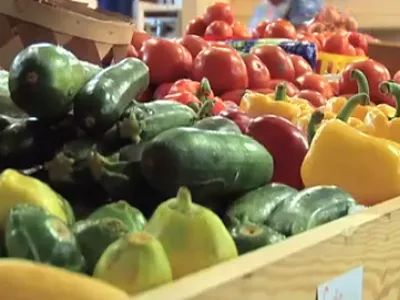
Did you know that South Carolina should be the real Peach State? We produce more peaches than any state in the Southeast.
Wilkinson, Robert Shaw | South Carolina Public Radio Wild Turkey | South Carolina Public Radio

Audio

Wild Turkey | South Carolina Public Radio
"W" is for Wild Turkey. A wild turkey is a large galliforme, that is, chicken-like bird. Males weigh up to 20 pounds and females half as much. The turkey is characterized by its large size, iridescent...
Pat Conroy & Catherine Seltzer, Part 1 | Palmetto Scene Pearl Fryar's Topiary Garden | Palmetto Scene 114

Video

Grades

  • 6
  • 7
  • 8
  • 9
  • 10
  • 11
  • 12
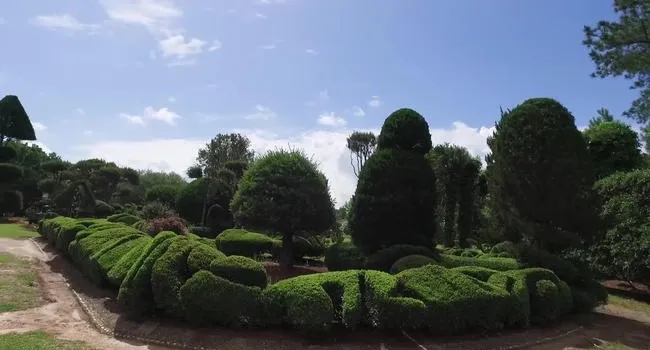
Pearl Fryar's Topiary Garden | Palmetto Scene
Episode 114
The small town of Bishopville, SC is home to some traditional vacation stops like museums and parks, but also a few quirkier spots like Pearl Fryar’s Topiary Garden. Pearl is happy to speak with his...
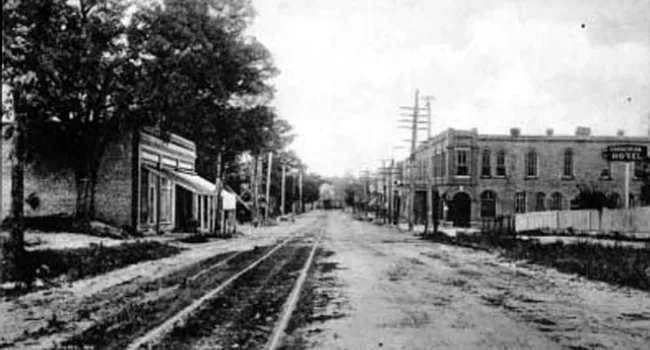
The Town Of St. Matthews | History Of SC Slide Collection

Photo

Grades

  • 3
  • 4
  • 5
  • 6
  • 7
  • 8
  • 9
  • 10
  • 11
  • 12
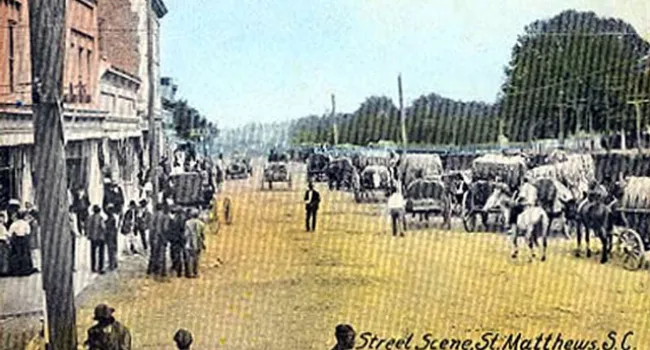
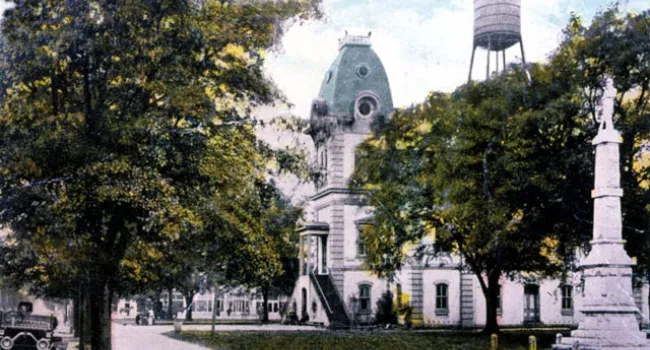
The Town Of St. Matthews | History Of SC Slide Collection
Episode 1
The town of St. Matthews predates by more than a century and a half the 1908 formation of Calhoun County, of which it is now the county seat. Originally a trading post on the Cherokee Path, the town...
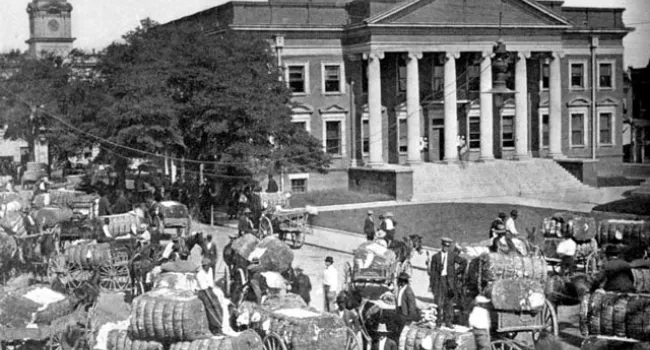
Darlington Town Square | History Of SC Slide Collection

Photo

Grades

  • 3
  • 4
  • 5
  • 6
  • 7
  • 8
  • 9
  • 10
  • 11
  • 12
Darlington Town Square | History Of SC Slide Collection
Episode 2
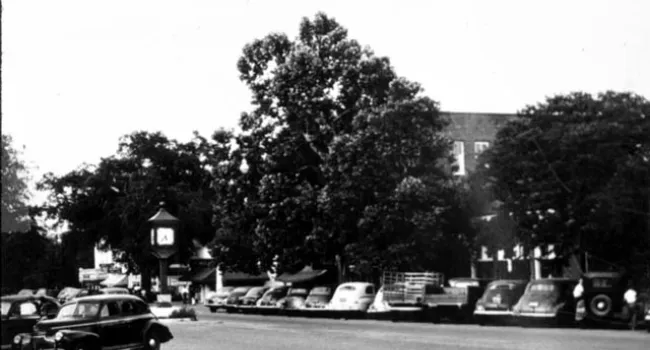
This view of the Darlington town square gives a good view of the fourth courthouse, built in 1903. Darlington was an important cotton market, and farmers are gathered on the courthouse square around...
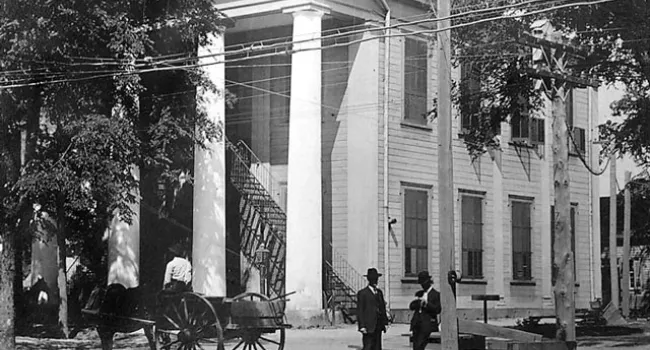
The Town Hall In Cheraw | History Of SC Slide Collection

Photo

Grades

  • 3
  • 4
  • 5
  • 6
  • 7
  • 8
  • 9
  • 10
  • 11
  • 12
The Town Hall In Cheraw | History Of SC Slide Collection
Episode 1
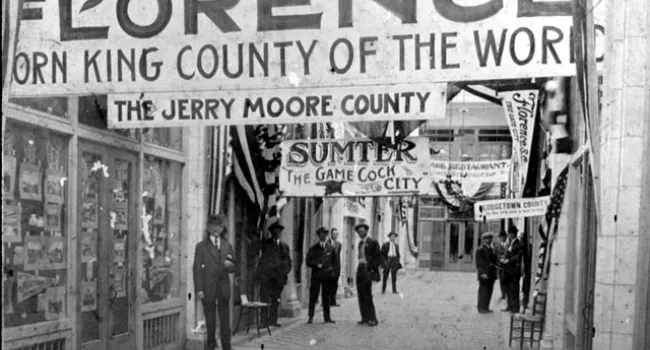
The Town Hall in Cheraw, built in 1858 and photographed here in 1890, is still used as a meeting place for the Masons (who helped pay for it) and for city offices. County seat of Chesterfield County...
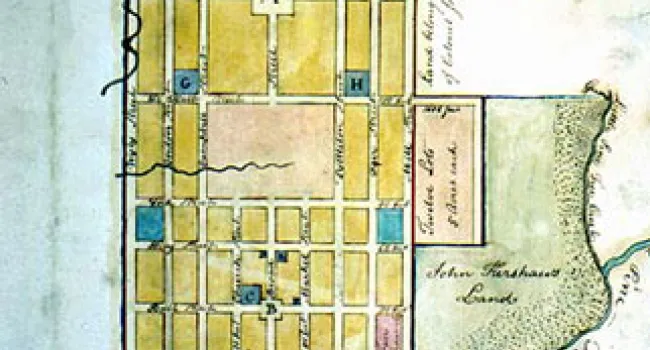
Plat Map Of Camden | History Of SC Slide Collection

Photo

Grades

  • 3
  • 4
  • 5
  • 6
  • 7
  • 8
  • 9
  • 10
  • 11
  • 12
Plat Map Of Camden | History Of SC Slide Collection
Episode 3
The town of Camden was one of the first official settlements to be laid out in the interior of South Carolina in the 1730s. Settlers flooded into the backcountry during the quarter century of peace...
Fat Cattle Show In 1941 | History Of SC Slide Collection

Photo

Grades

  • 3
  • 4
  • 5
  • 6
  • 7
  • 8
  • 9
  • 10
  • 11
  • 12
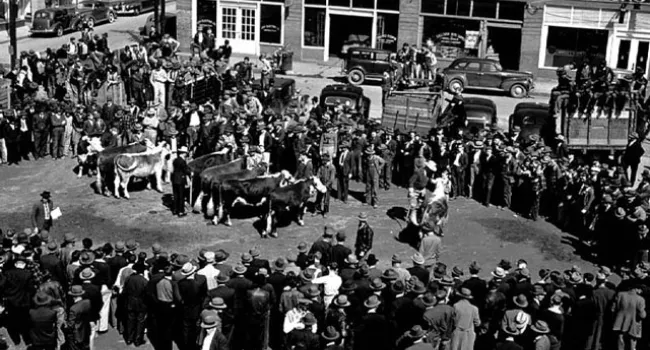
Fat Cattle Show In 1941 | History Of SC Slide Collection
Episode 3
Although Anderson itself is primarily an industrial city, it is the county seat of an important agricultural county. Cattle are shown being judged at the "Fat Cattle Show," March 25, 1941, at McGees...
 When Rice Was King (12): Slave Treatment And Resistance 12

Video

Grades

  • 3
  • 4
  • 5
  • 6
  • 7
  • 8
  • 9
  • 10
  • 11
  • 12
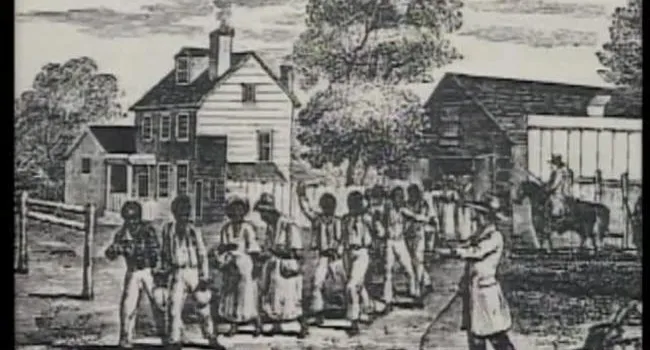
When Rice Was King (12): Slave Treatment And Resistance
Episode 12
Plantation owners demanded more than just obedience from their slaves. They also demanded things like loyalty, respect, love, and duty. Whippings, and solitary confinement, were common punishments for...
 When Rice Was King (7): Georgetown 7

Video

Grades

  • 3
  • 4
  • 5
  • 6
  • 7
  • 8
  • 9
  • 10
  • 11
  • 12
When Rice Was King (7): Georgetown
Episode 7
By 1800, Georgetown was known as the land where planters all made fortunes with rice plantations. In 1839, Georgetown alone produced nearly half of America's Rice.
 When Rice Was King (6): Tidal Irrigation 6

Video

Grades

  • 3
  • 4
  • 5
  • 6
  • 7
  • 8
  • 9
  • 10
  • 11
  • 12
When Rice Was King (6): Tidal Irrigation
Episode 6
Planters made the transition from swamp based rice-growing, to using tidal irrigation. With tidal irrigation, planters used a series of dikes and dams to control the flow of water into rice fields.