William Barnet | Legacy of Leadership

Kaltura

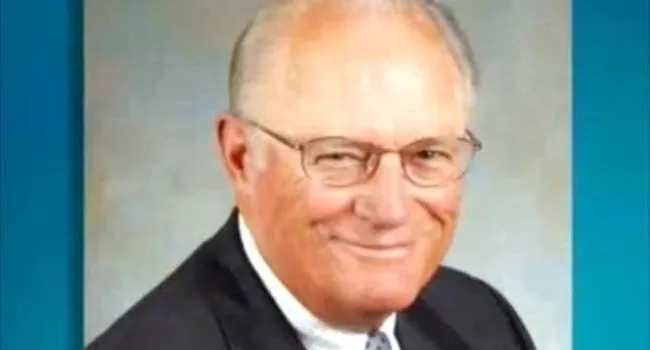
William Barnet III (Born August 2, 1942)

From loading trucks to leading a now 106-year-old family business to serving the South Carolina public, both as a volunteer and an elected official, William Barnet III has traveled a life-long journey with what he calls a “balanced passion.” 

“Go after your goals with a balanced passion,” he suggests. “Accept life as a journey; but, in your heart and in your actions, be willing to apply real energy. Believe you are going to be successful and chances are that you will succeed.”    

Barnet was born in Albany, New York, on August 2, 1942. He earned a Bachelor of Arts degree from Dartmouth in 1964 and an MBA from the Amos Tuck School at Dartmouth in 1965. After a two-year stint as a lieutenant in the U.S. Army’s Adjutant General’s Corps, he was ready to launch his career. Barnet considered job offers from firms in New York City, but the lure of the big city wasn’t as strong as his family roots. His father needed his help with the family business, and Bill Barnet didn’t hesitate.

Barnet’s first job with the company was, like other associates, as a trainee. “My dad believed that you had to learn from the bottom up,” he said. “So I was out in the factory. I loaded trucks. I did all the things you do when one learns a new job.”     

William Barnet and Son continues to this day as a processor and trader of synthetic fibers and resins on a worldwide basis. The 106-year-old company has eight plants located in the United States and in Europe. Long before recycling was a household word, William Barnet and Son was pioneering an eco-friendly industry and making a profit, too. Bill Barnet became the fourth generation in his family to recycle byproducts of commercial processes. On March 2, 1898, Bill’s great grandfather, William Barnet, opened a textile company that reworked wool rags and wool clips into a product known as “shoddy.” The business thrived in the industrial North, but times were changing. By the 1950s, the Barnets were turning their attention south.

In 1961, Barnet and Son purchased its first plant in the South in Tryon, North Carolina. The first South Carolina facility was added in Spartanburg in 1971. A few years later, expanding production needs led to the decision to move the corporate headquarters to Arcadia, a community adjacent to Spartanburg. Someone needed to move south, so Bill Barnet started packing.

That move was in 1976, the same year that Bill Barnet was elected president of the company. His first impression of South Carolina, besides the considerably warmer climate, was the opportunity it presented. “It was a fresh place to work,” he said. “I found thoughtful people who were willing to work hard. The people I met were friendly and exhibited a terrific work ethic.”

In 2000, the company was doing business in more than 50 countries; owned and operated more than 2 million square feet of production and warehouse facilities; and sold and processed more than 300 million pounds of products each year. The company embraced new technologies in order to keep pace with an ever-changing industry.

Change is no stranger to Bill Barnet. Barnet began to talk with key management team members about a reasonable exit strategy that would be fair and appropriate for the long-term interests of their shared company. “I have always considered it a major challenge of a good manager to turn over the responsibility of a company, or an institution, that he or she manages in an organized, sensible and positive way,” he said. That discussion culminated in April 2001 when Barnet sold the company’s assets to an outstanding management group. Barnet has continued as chairman, but the ownership and management responsibility resides today with that group of associates.     

Barnet saw an opportunity to focus more attention on areas close to his heart — his family and his community. He and his wife, Valerie Manatis Barnet, have three children: Mary Rebecca, Will and John. All three children have attended school in Spartanburg School District Seven. Both Valerie and Bill have become involved at the school level with Parent Teacher Organizations and, in Valerie’s case, teaching in the classroom. Bill Barnet’s involvement with schools, however, doesn’t stop with homework or the PTO. He has played a key role in South Carolina’s education reform effort. 

From the PASS Commission to working for the passage of the Education Accountability Act to chairing the state’s Education Oversight Committee, Barnet has been at the epicenter of education improvement.

“I believe that public education represents the incubator for our democracy,” he said. “The access of all our children to a good education allows them to mature and learn to deal with people and issues in a positive way. When we fail to educate and encourage our children to learn, we fail to build the essential blocks for the next generation of Americans.”

Barnet believes that investing in education is vital. “Either you invest your talent and resources in educating your youth or society pays dearly for social problems later on,” he said.

“One of the great challenges that exist for all of us in South Carolina is the need to value education . . . . not just K-12 but higher education as well. It doesn’t surprise me that industry, particularly high technology investment, flourishes where education is valued.”

Barnet sees this moment in South Carolina’s history as a watershed. He is passionate about taking that message to the broadest audience possible. “I think if South Carolina wants to be competitive in a knowledge-based economy, we must rethink the way we commit our resources to education,” he said. 

What advice might Bill Barnet have for our next generation? “Expose oneself to a good education, obtain basic learning skills, and create an ongoing interest in a broad range of issues that good citizens must understand,” he advises. “One of the great responsibilities of all education is not only to educate people for job skills but to prepare them to be good citizens. And part of being a good citizen is to contribute your talents and your skills in creating a community environment within which people can thrive.” 

Yet Barnet’s commitment to the community doesn’t stop with education. Five days before the November 2001 general election in Spartanburg, Barnet agreed, somewhat reluctantly, to become a write-in candidate for mayor. His “campaign” — with no major speeches and no money spent — earned him a place in a runoff, in which he captured 58 percent of the vote. He was sworn in as mayor in January 2002. According to the Associated Press, he joined Strom Thurmond as the only other person in South Carolina history to have won a write-in campaign.     

In his inauguration speech, Barnet said his goal was to make the city an "admired community" by improving educational opportunities through excellent schools, increasing per capita income, and beautifying the area with trees, green space, fountains, and art. "I seek a community of encouragement," he said, "wherein, by your and my actions and words, we challenge each other to believe we can dream greater dreams."

Shortly after the mayoral election, Barnet was named Business Leader of the Year by the South Carolina Chamber of Commerce. 

Barnet has served as chairman of the Palmetto Business Forum and is the former chairman of the Converse College Board of Trustees. He has also served on a variety of local and state boards. Barnet is the past president of the S.C. Textile Manufacturers Association and past chairman of Leadership Spartanburg. Barnet, a member of FleetBoston Financial Group board since 1985, was named in 2004, to the board of directors of Bank of America.

He was named to the South Carolina Business Hall of Fame in 2004. The Business Hall of Fame criteria include “a demonstration of business excellence, courageous thinking, inspired leadership and community mindedness.”

“It is important, as business leaders, that we continuously re-examine our local communities and find those elements that are vitally important to their long-term viability,” he said. “Businesses have a very real responsibility to local societies! Despite the challenges of highly competitive world-wide markets, we are all going to have to look hard at how we define our responsibilities — and what kind of resources we are willing to invest in the environment within which we live.”

William Barnet III is applying the principles of a successful business leader to building a foundation for future generations. It is a continuation of a life-long journey. 

He was inducted into the South Carolina Business Hall of Fame in 2004.

© 2004 South Carolina Business Hall of Fame 

More in this Series

Legacy of Leadership / Manufacturing

Charles W. Coker | Legacy of Leadership Interview A. Foster McKissick | Legacy of Leadership Profile

Video

Grades

  • 6
  • 7
  • 8
  • 9
  • 10
  • 11
  • 12
A. Foster McKissick | Legacy of Leadership Profile
A. Foster McKissick (1869 – 1938) Anthony Foster McKissick was a major figure in the Southern textile industry and was also a college professor, scientist, state legislator, philanthropist, and...
John E. Swearingen | Legacy of Leadership Profile Arthur M. Williams, Jr. | Legacy of Leadership Profile

Video

Grades

  • 6
  • 7
  • 8
  • 9
  • 10
  • 11
  • 12
Arthur M. Williams, Jr. | Legacy of Leadership Profile
Arthur M. Williams, Jr. (1914–1990) Arthur M. Williams, Jr., was one of South Carolina's most influential businessmen during the state's profound economic changes in the 1960s and 1970s. A prudent...
Charles W. Coker | Legacy of Leadership Interview Ben R. Morris | Legacy of Leadership Interview

Video

Grades

  • 6
  • 7
  • 8
  • 9
  • 10
  • 11
  • 12
Ben R. Morris | Legacy of Leadership Interview
Interview with Ben Rankin Morris whose career was in textiles and newspaper publishing. Ben R. Morris (1922–2005) Ben Morris had spent 22 years working in textiles and textile machinery when he left...
John E. Swearingen | Legacy of Leadership Profile Ben R. Morris | Legacy of Leadership Profile

Video

Grades

  • 6
  • 7
  • 8
  • 9
  • 10
  • 11
  • 12
Ben R. Morris | Legacy of Leadership Profile
A profile of Ben Rankin Morris. Ben R. Morris (1922–2005) Ben Morris had spent 22 years working in textiles and textile machinery when he left Atlanta for Columbia in 1970 to enter the newspaper...
John E. Swearingen | Legacy of Leadership Profile Charles W. Coker | Legacy of Leadership Interview

Video

Grades

  • 6
  • 7
  • 8
  • 9
  • 10
  • 11
  • 12
Charles W. Coker | Legacy of Leadership Interview
Charles W. Coker (Born May 10, 1933) Charlie Coker has spent nearly 30 years guiding the fortunes of Sonoco Products Company of Hartsville, and his tenure as chief executive officer is best...
Charles W. Coker | Legacy of Leadership Interview David S. Lewis | Legacy of Leadership Profile

Video

Grades

  • 6
  • 7
  • 8
  • 9
  • 10
  • 11
  • 12
David S. Lewis | Legacy of Leadership Profile
David Sloan Lewis (1917 - 2003) As a boy growing up in Charleston, David Lewis was fascinated by aviation. He read everything he could find about the World War I fighter planes and their romantic...
John E. Swearingen | Legacy of Leadership Profile E. Craig Wall, Jr. | Legacy of Leadership Profile

Video

Grades

  • 6
  • 7
  • 8
  • 9
  • 10
  • 11
  • 12
E. Craig Wall, Jr. | Legacy of Leadership Profile
E. Craig Wall, Jr. (1937–1997) Craig Wall, Jr., was respected as one of the most successful business leaders in South Carolina. His Canal Industries and affiliates represent a major presence in the...
Charles W. Coker | Legacy of Leadership Interview Elliott White Springs | Legacy of Leadership Profile

Video

Grades

  • 6
  • 7
  • 8
  • 9
  • 10
  • 11
  • 12
Elliott White Springs | Legacy of Leadership Profile
A profile of Elliott White Springs. Elliott White Springs (1896–1959) Elliott White Springs was a man of so many talents that it would be difficult to choose any one of his accomplishments as his most...
Charles W. Coker | Legacy of Leadership Interview Franklin G. Burroughs | Legacy of Leadership Profile

Video

Grades

  • 6
  • 7
  • 8
  • 9
  • 10
  • 11
  • 12
Franklin G. Burroughs | Legacy of Leadership Profile
Franklin G. Burroughs (1834–1897) During the second half of the 19th century, Franklin G. Burroughs was one of Horry County's most successful business leaders, and even before the railroad ran past...
Charles W. Coker | Legacy of Leadership Interview Franklyn D. Owen, Jr. | Legacy of Leadership Profile

Video

Grades

  • 6
  • 7
  • 8
  • 9
  • 10
  • 11
  • 12
Franklyn D. Owen, Jr. | Legacy of Leadership Profile
(1930 – 1982) In April 1994, Owen Steel Company, Inc., of Columbia sold the largest contract in the company's history — 23,500 tons of structural steel for the Atlantic City Convention Center project...
John E. Swearingen | Legacy of Leadership Profile Frederick B. Dent  | Legacy of Leadership Profile

Video

Grades

  • 6
  • 7
  • 8
  • 9
  • 10
  • 11
  • 12
Frederick B. Dent | Legacy of Leadership Profile
A profile of Frederick Baily Dent. Frederick B. Dent (Born August 17, 1922) In the fall of 1973, a reporter for Nation's Business wrote of Secretary of Commerce Frederick B. Dent: "Despite a soft...
John E. Swearingen | Legacy of Leadership Profile Frederick B. Dent | Legacy of Leadership Interview

Video

Grades

  • 6
  • 7
  • 8
  • 9
  • 10
  • 11
  • 12
Frederick B. Dent | Legacy of Leadership Interview
Frederick B. Dent (1922 - ) In the fall of 1973, a reporter for Nation's Business wrote of Secretary of Commerce Frederick B. Dent: "Despite a soft Southern accent and an affable demeanor which fits...
John E. Swearingen | Legacy of Leadership Profile George William Rogers | Legacy of Leadership Profile

Video

Grades

  • 6
  • 7
  • 8
  • 9
  • 10
  • 11
  • 12
George William Rogers | Legacy of Leadership Profile
George William "Bill" Rogers (Born February 8, 1925) ​Bonitz, Inc., and Consolidated Systems, Inc., are hardly household names in Columbia, where they were established in the 1950s, but both are well...
John E. Swearingen | Legacy of Leadership Profile Guy F. Lipscomb, Jr. | Legacy of Leadership Interview

Video

Grades

  • 6
  • 7
  • 8
  • 9
  • 10
  • 11
  • 12
Guy F. Lipscomb, Jr. | Legacy of Leadership Interview
An interview with Guy Fleming Lipscomb, Jr. He discusses the characteristics needed for leadership including trustworthiness, continuous study and education, learning to work with other people...
Charles W. Coker | Legacy of Leadership Interview Guy F. Lipscomb, Jr. | Legacy of Leadership Profile

Video

Grades

  • 6
  • 7
  • 8
  • 9
  • 10
  • 11
  • 12
Guy F. Lipscomb, Jr. | Legacy of Leadership Profile
A profile of Guy Fleming Lipscomb, Jr. Guy Fleming Lipscomb, Jr. (1917-2009) Business owner, chemist, civic leader, philanthropist, artist, author, teacher, star collegiate athlete, club golf champion...
Charles W. Coker | Legacy of Leadership Interview H. William Close | Legacy of Leadership Profile

Video

Grades

  • 6
  • 7
  • 8
  • 9
  • 10
  • 11
  • 12
H. William Close | Legacy of Leadership Profile
H. William Close (1919–1983) Under the leadership of H. William Close, Springs Industries, Inc., became one of the most successful textile manufacturing companies in the world. A degree in business...
Charles W. Coker | Legacy of Leadership Interview Herman W. Lay | Legacy of  Leadership Profile

Video

Grades

  • 6
  • 7
  • 8
  • 9
  • 10
  • 11
  • 12
Herman W. Lay | Legacy of Leadership Profile
1909 - 1982 Herman Lay's first business enterprise was selling Pepsi-Colas from a makeshift stand in his family's front yard in Greenville. He was 11 years old. He was successful, charging a nickel a...
James C. "Jim" Self | Legacy of Leadership James A. Chapman, Jr. | Legacy of Leadership Profile

Video

Grades

  • 6
  • 7
  • 8
  • 9
  • 10
  • 11
  • 12
James A. Chapman, Jr. | Legacy of Leadership Profile
James A. Chapman, Jr. (1921–1983) James Alfred Chapman, Jr., was born September 30, 1921, in Inman, one of five sons of James A. and Martha Marshall Chapman. The boys were provided a Christian home...
John E. Swearingen | Legacy of Leadership Profile James C. "Jim" Self | Legacy of Leadership

Video

Grades

  • 6
  • 7
  • 8
  • 9
  • 10
  • 11
  • 12
James C. "Jim" Self | Legacy of Leadership
James C. "Jim" Self (1919–1998) James C. Self and his son, Jim, were the first father-son laureates of the South Carolina Business Hall of Fame. Jim Self's father took over a run-down, 10-year-old...
John E. Swearingen | Legacy of Leadership Profile James C. Self, Sr. | Legacy of Leadership Profile

Video

Grades

  • 6
  • 7
  • 8
  • 9
  • 10
  • 11
  • 12
James C. Self, Sr. | Legacy of Leadership Profile
James C. Self, Sr. (1876–1955) James C. Self, Sr. took a rundown cotton mill and turned it into what has been called "The Greenwood Story," and his is one of the most notable success stories in South...
John E. Swearingen | Legacy of Leadership Profile James Lide Coker | Legacy of Leadership Profile

Video

Grades

  • 6
  • 7
  • 8
  • 9
  • 10
  • 11
  • 12
James Lide Coker | Legacy of Leadership Profile
James Lide Coker (1837–1918) Farmer, father, soldier, businessman, merchant, banker, railroad man, industrialist—those are only a few of the titles describing James Lide Coker, who for nearly 60 years...
John E. Swearingen | Legacy of Leadership Profile John A. Warren | Legacy of Leadership Interview

Video

Grades

  • 6
  • 7
  • 8
  • 9
  • 10
  • 11
  • 12
John A. Warren | Legacy of Leadership Interview
John A. Warren (1925-2009) John Warren retired as chairman and chief executive of SCANA Corporation in January 1990, but 18 months later he was working again, as chairman of the South Carolina State...
John E. Swearingen | Legacy of Leadership Profile John A. Warren | Legacy of Leadership Profile

Video

Grades

  • 6
  • 7
  • 8
  • 9
  • 10
  • 11
  • 12
John A. Warren | Legacy of Leadership Profile
John A. Warren (1925-2009) John Warren retired as chairman and chief executive of SCANA Corporation in January 1990, but 18 months later he was working again, as chairman of the South Carolina State...
Charles W. Coker | Legacy of Leadership Interview John E. Swearingen | Legacy of Leadership Profile

Video

Grades

  • 6
  • 7
  • 8
  • 9
  • 10
  • 11
  • 12
John E. Swearingen | Legacy of Leadership Profile
John E. Swearingen (1918–2007) John E. Swearingen retired as chairman of the board of directors of Standard Oil Company (Indiana), now BP–Amoco Corporation, on his 65th birthday anniversary, September...
James C. "Jim" Self | Legacy of Leadership John M. Hamrick | Legacy of Leadership Profile

Video

Grades

  • 6
  • 7
  • 8
  • 9
  • 10
  • 11
  • 12
John M. Hamrick | Legacy of Leadership Profile
John M. Hamrick (1913-2005) Few people have a better understanding of the economics of American industry, particularly textile manufacturing, than John M. Hamrick, chairman of Hamrick Mills, Inc., of...
James C. "Jim" Self | Legacy of Leadership P. Henderson Barnette | Legacy of Leadership Profile

Video

Grades

  • 6
  • 7
  • 8
  • 9
  • 10
  • 11
  • 12
P. Henderson Barnette | Legacy of Leadership Profile
P. Henderson Barnette (1924–2006) For many years, P. Henderson Barnette has been one of South Carolina's most respected leaders in business, education, community development, and politics. His...
John E. Swearingen | Legacy of Leadership Profile Robert S. Davis | Legacy of Leadership Profile

Video

Grades

  • 6
  • 7
  • 8
  • 9
  • 10
  • 11
  • 12
Robert S. Davis | Legacy of Leadership Profile
A profile of Robert Spence Davis. Robert S. Davis (1915–1993) Robert S. Davis, who retired as chairman of The R. L. Bryan Company, one of South Carolina's oldest businesses, made a side career out of...
Charles W. Coker | Legacy of Leadership Interview Roger Milliken | Legacy of Leadership Profile

Video

Grades

  • 6
  • 7
  • 8
  • 9
  • 10
  • 11
  • 12
Roger Milliken | Legacy of Leadership Profile
Roger Milliken (1915 - 2010) Through Roger Milliken's leadership and passion for innovation and research, Milliken & Company has become one of the largest and most successful textile and chemical...
James C. "Jim" Self | Legacy of Leadership W. Melvin Brown, Jr. | Legacy of Leadership Profile

Video

Grades

  • 6
  • 7
  • 8
  • 9
  • 10
  • 11
  • 12
W. Melvin Brown, Jr. | Legacy of Leadership Profile
W. Melvin Brown, Jr. (1934–1994) Starting with a vision and an opportunity, W. Melvin Brown, Jr., guided the growth of American Development Corporation of North Charleston into the largest minority...
James C. "Jim" Self | Legacy of Leadership Walter S. Montgomery | Legacy of Leadership Profile

Video

Grades

  • 6
  • 7
  • 8
  • 9
  • 10
  • 11
  • 12
Walter S. Montgomery | Legacy of Leadership Profile
A profile of Walter Scott Montgomery. Walter S. Montgomery (1900 – 1996) Spartan Mills is one of the South Carolina textile industry's most highly regarded companies, and the high esteem in which it...
Charles W. Coker | Legacy of Leadership Interview William Gregg | Legacy of Leadership Profile

Video

Grades

  • 6
  • 7
  • 8
  • 9
  • 10
  • 11
  • 12
William Gregg | Legacy of Leadership Profile
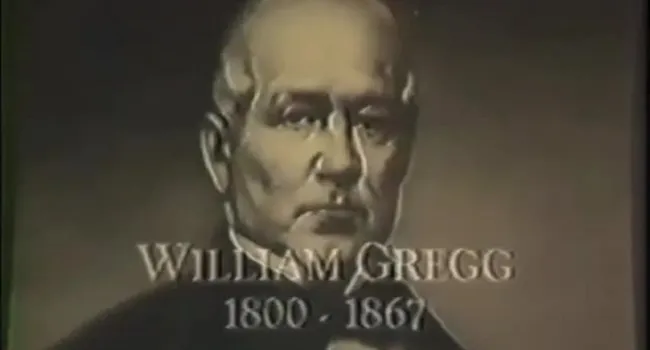
William Gregg (1800–1867) William Gregg, jeweler, watchsmith, champion of industry, and founder of the Graniteville Company, was known as the father of Southern cotton manufacturing. Gregg was born...
Charles W. Coker | Legacy of Leadership Interview William J. Murray, Jr. | Legacy of Leadership Profile

Video

Grades

  • 6
  • 7
  • 8
  • 9
  • 10
  • 11
  • 12
William J. Murray, Jr. | Legacy of Leadership Profile
A profile of William Jacob Murray, Jr. William J. Murray (1888 – 1972) William J. Murray of Columbia helped guide a beleaguered McKesson & Robbins through the dark days of the late 1930s and early...

Legacy of Leadership / Government & Public Administration

 Bernard M. Baruch | Legacy of Leadership Profile

Video

Grades

  • 6
  • 7
  • 8
  • 9
  • 10
  • 11
  • 12
Bernard M. Baruch | Legacy of Leadership Profile
1870–1965 Bernard M. Baruch, the "Park Bench Statesman," made his fortune on Wall Street, but his greatest challenge and his greatest satisfaction were his service to his country as an economic...
George William Rogers | Legacy of Leadership Profile Charles S. Way | Legacy of Leadership Profile

Video

Grades

  • 6
  • 7
  • 8
  • 9
  • 10
  • 11
  • 12
Charles S. Way | Legacy of Leadership Profile
Charles S. Way (Born December 18, 1937) It usually takes a hurricane or some other force of nature to change the face of a city, but if a single individual can accomplish such a feat, then surely...
John E. Swearingen | Legacy of Leadership Profile Frederick B. Dent  | Legacy of Leadership Profile

Video

Grades

  • 6
  • 7
  • 8
  • 9
  • 10
  • 11
  • 12
Frederick B. Dent | Legacy of Leadership Profile
A profile of Frederick Baily Dent. Frederick B. Dent (Born August 17, 1922) In the fall of 1973, a reporter for Nation's Business wrote of Secretary of Commerce Frederick B. Dent: "Despite a soft...
John E. Swearingen | Legacy of Leadership Profile Frederick B. Dent | Legacy of Leadership Interview

Video

Grades

  • 6
  • 7
  • 8
  • 9
  • 10
  • 11
  • 12
Frederick B. Dent | Legacy of Leadership Interview
Frederick B. Dent (1922 - ) In the fall of 1973, a reporter for Nation's Business wrote of Secretary of Commerce Frederick B. Dent: "Despite a soft Southern accent and an affable demeanor which fits...
Ben R. Morris | Legacy of Leadership Profile John K. Cauthen | Legacy of Leadership Profile

Video

Grades

  • 6
  • 7
  • 8
  • 9
  • 10
  • 11
  • 12
John K. Cauthen | Legacy of Leadership Profile
John K. Cauthen (1906–1973) John Kelley Cauthen is regarded as one of the most powerful leaders in South Carolina during the 20th century, a man who used his talents to develop consensus and create...