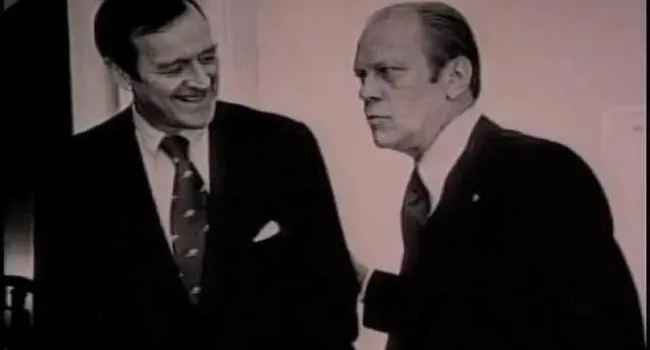
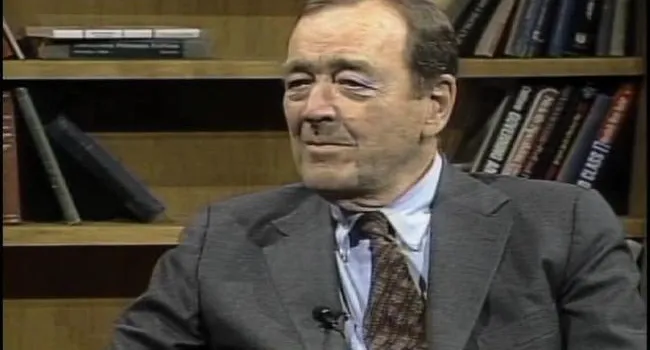
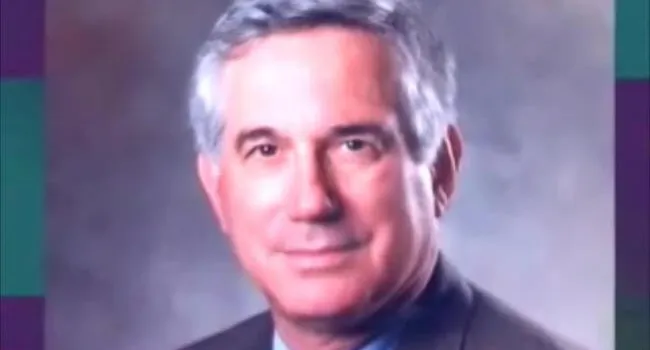
David S. Lewis | Legacy of Leadership Profile

Kaltura

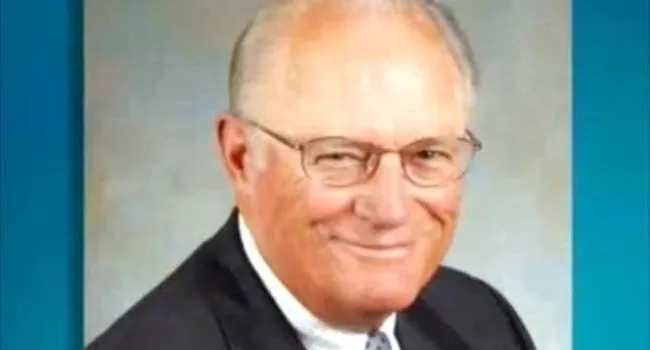
David Sloan Lewis 

(1917 - 2003)

As a boy growing up in Charleston, David Lewis was fascinated by aviation. He read everything he could find about the World War I fighter planes and their romantic pilots. He built dozens of flying model airplanes and gliders. He was 10 years old when he heard that Charles Lindbergh had made the first solo flight across the Atlantic Ocean. He was hooked. His career path was clear. And a rewarding career it was—for Lewis, for the United States, and for the free world.

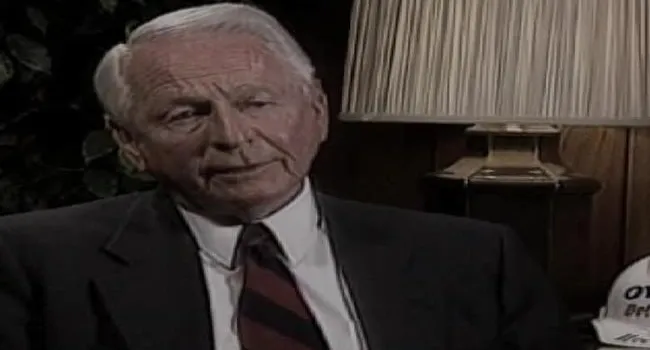
Lewis enjoyed an illustrious 46 years as one of the nation's leading aeronautical engineers and defense industry executives. Many of the country's major weapons systems, from World War II through the Cold War to the present, including the transport aircraft of the major airlines, are part of the David Lewis legacy.

David Sloan Lewis, Jr., was born July 6, 1917, in North Augusta, the son of David S. "Dick" and Reuben Walton Lewis. The family lived in Bennettsville and Hartsville, but later moved to Charleston, where Dave, sister Lucy, and brother Jack were reared. Dick Lewis, an executive with Standard Oil of New Jersey, was transferred to Columbia in 1933, and Dave graduated from Columbia High in 1934.

He studied engineering at the University of South Carolina for three years and then transferred to the Georgia Institute of Technology, where he received a bachelor of science degree in aeronautical engineering in 1939.

After graduation, he joined the Glenn L. Martin Co. in Baltimore and, during World War II, worked on many new aircraft designs in the aerodynamics department, the wind tunnel group, the performance group, and the stability and control group. He remembers this as the "most difficult and rewarding work in the aerodynamics department."

Lewis met his future wife, Dorothy Sharpe, while both were working at the Martin Company in Baltimore. A native of Memphis, she was the daughter of Karl and Gladys Sharpe. Dorothy and Dave were married on December 20, 1941, and became the parents of four children—Susan Winslow of Mount Pleasant; David S. Lewis III of Moorestown, New Jersey; Robert S. Lewis of Marietta, Georgia; and Andrew F. Lewis of Gainesville, Georgia.

In 1946, Lewis joined the McDonnell Aircraft Corporation. in St. Louis as chief of aerodynamics and was part of a team that worked on such aircraft as the FH-1 Phantom, the Navy's first jet aircraft; the Navy's F2H Banshee; and the F-101 for the Air Force. The company grew very quickly as the country faced the Korean War and the increasing pressure of the Cold War.

The technologies of aircraft design were becoming extremely more complex, which led to the formation of a new Advance Design Department, with Lewis at the head. With no specific requirement for any new airplane on the horizon, the group's studies led to the conclusion that the Navy would profit most if it had a true combination fighter-attack aircraft. It took two years to get a contract for the Navy F-4 Phantom II. All in all, McDonnell delivered more than 5,000 F-4s to the U.S. Navy and Air Force and the armed forces of several allied countries.

Lewis moved up in several steps, becoming a vice president of McDonnell Aircraft in 1956. He was active in the development of McDonnell's Space Division that led to the company's winning effort to develop and build the pioneering Mercury spacecraft for NASA. In July 1962, McDonnell founder and chairman J. S. McDonnell named the 45-year-old Lewis president and chief operating officer, responsible for all the company's activities.

With the Cold War winding down and the inevitable reduction in government defense spending, McDonnell turned its attention to possible mergers with manufacturers of commercial aircraft. Douglas Aircraft Corporation was in financial trouble and far behind on delivery of its DC-8 and DC-9 transport aircraft. Its banks had cut off further loans and insisted that Douglas merge with another company. In 1967, McDonnell was selected because of its financial resources and strong management.

And it was David Lewis who was named chairman of the Douglas Division and given the responsibility for getting Douglas' production transports back on schedule. During his tenure in California supervising the Douglas Division's transport aircraft production, he spent much of his time visiting airlines throughout the world that had contracts for DC-8s and DC-9s.

Meanwhile, he worked with the design and sales activity for the DC-10. With an infusion of McDonnell's money and Lewis' leadership and attention to detail, Douglas became profitable again, and Lewis returned to St. Louis.He continued to work on the sales efforts for the DC-10 and was active in McDonnell's winning the contract for the F-15 Eagle, a versatile air superiority fighter that proved deadly against Syrian MiGs in the 1982 Bekaa Valley campaign.

The biggest challenge of Dave Lewis' career came in 1970 when he resigned from McDonnell Douglas to become chairman and CEO of General Dynamics. He accepted the job on the condition that General Dynamics' headquarters be moved from New York to St. Louis.

Newspaper headlines read, "Dynamics' Gain is McDonnell's Loss" and "David Lewis Lands Top Spot and Host of Problems at GD." As it turned out, both were correct.

General Dynamics, operating at a loss when Lewis took over, gradually began to become profitable, reporting significant gains for the first quarter of 1974 compared with 1973. Less than a year later, the Fort Worth Star-Telegram reported that "GD wins F-16 contract." Simultaneously, the St. Louis Globe Democrat was publishing a feature story titled, "David Lewis, Jr., brought corporate giant back from financial disaster."

Under his leadership, General Dynamics' sales quadrupled while net income in 1985, when he retired, was $400 million.

During Operations Desert Shield and Desert Storm, General Dynamics' products were very much in evidence. Lewis took great satisfaction in some of its major weapon and launch vehicle systems in operational service, including the Tomahawk Cruise missiles, F-16 Fighting Falcons, Trident submarines, Phalanx ship-defense gun systems, and, perhaps most of all, the M1 Abrams main battle tanks.

Of the many weapons and other systems with which Lewis was involved in his career, his favorite was the F-16. Coincidentally, Shaw Air Force Base in Sumter replaced its F-4 Phantoms with the F-16, and the South Carolina Air National Guard was the first Air Guard unit to receive the F-16 Falcons. Both Shaw and McEntire Air National Guard Station supported Operations Desert Shield and Desert Storm.

For his work in aviation, aeronautics, and astronautics, he was the recipient of many honors, among them the Robert J. Collier Trophy for the F-16 in 1975, the Fleet Admiral Chester W. Nimitz Award in 1981, the Daniel Guggenheim Medal in 1982, and the Wright Brothers Memorial Trophy in 1984.

Lewis served as director of Ralston Purina of St. Louis, Bank of America in San Francisco, Cessna Aircraft Company of Wichita, and the Mead Corporation of Dayton, Ohio. He also served as a member of the board of trustees of Washington University in St. Louis and the Georgia Tech Foundation. He is a fellow of the National Academy of Engineering.

David Lewis III says, "One thing about my dad's character is his assumption of responsibility, even today, for projects and the well-being of the people involved in them, whether in the design, manufacture, or use of them. I've observed over the years that he genuinely worries about not only how well these aircraft, spacecraft, and seacraft perform, but also about the lives of those who use them."

Andrew, the youngest of the four children, remembers his father best as a man who put his family and its welfare far above his own and taught them morals and values by example and deed rather than word. "He has a deep, abiding faith in God, and yet he doesn't try to force his beliefs on others."

Andrew recalls his father's buying his sister, Susan, a used British MG roadster when he probably could have better spent the money on business clothing for himself. Even though he could have afforded almost any automobile he wanted, he usually drove Ford Falcons or Dodge Darts. "My mother once sent me with him to buy a new car so that he would buy something the whole family would be happy with. He wasn't trying to be humble in his choice in cars," Andrew says. "He just wanted to be sure that there would be money available in case of future family needs."

Susan, the first-born and a teenager and college student before her father's ascendency in the defense industry, remembers that "he was just a dad like everybody else's, certainly a wonderful person and a wonderful father, but not the celebrity then that he later became."

She attended a high school reunion and became reacquainted with classmates who had since gone to work for McDonnell. "They were shocked to learn that all that time in high school I was Dave Lewis' daughter and nobody knew it! To them, he was something special. He was special to me, too, but not in exactly the same way."

In 1982, anticipating retirement, Lewis began developing a plantation near Albany, Georgia, which grew to 8,500 acres of farmland and swampland. There he and Dorothy built a home and produced peanuts, pecans, corn, and quail. According to David Lewis III, there was a constant stream of friends, in and out of hunting season. Dorothy took care of the aesthetics of the property, and his father used his engineering and business skills to get the most he could from the land.

In 1995, the plantation was sold and Dorothy and David moved to Charleston, where they now make their home. They have 12 grandchildren and three great-grandchildren.
Lewis was inducted into the South Carolina Business Hall of Fame in 2000.

© 1999 South Carolina Business Hall of Fame

More in this Series

Legacy of Leadership / Science, Technology, Engineering and Mathematics

 A. Foster McKissick | Legacy of Leadership Profile

Video

Grades

  • 6
  • 7
  • 8
  • 9
  • 10
  • 11
  • 12
A. Foster McKissick | Legacy of Leadership Profile
A. Foster McKissick (1869 – 1938) Anthony Foster McKissick was a major figure in the Southern textile industry and was also a college professor, scientist, state legislator, philanthropist, and...
 Arthur M. Williams, Jr. | Legacy of Leadership Profile

Video

Grades

  • 6
  • 7
  • 8
  • 9
  • 10
  • 11
  • 12
Arthur M. Williams, Jr. | Legacy of Leadership Profile
Arthur M. Williams, Jr. (1914–1990) Arthur M. Williams, Jr., was one of South Carolina's most influential businessmen during the state's profound economic changes in the 1960s and 1970s. A prudent...
 Guy F. Lipscomb, Jr. | Legacy of Leadership Interview

Video

Grades

  • 6
  • 7
  • 8
  • 9
  • 10
  • 11
  • 12
Guy F. Lipscomb, Jr. | Legacy of Leadership Interview
An interview with Guy Fleming Lipscomb, Jr. He discusses the characteristics needed for leadership including trustworthiness, continuous study and education, learning to work with other people...
 Guy F. Lipscomb, Jr. | Legacy of Leadership Profile

Video

Grades

  • 6
  • 7
  • 8
  • 9
  • 10
  • 11
  • 12
Guy F. Lipscomb, Jr. | Legacy of Leadership Profile
A profile of Guy Fleming Lipscomb, Jr. Guy Fleming Lipscomb, Jr. (1917-2009) Business owner, chemist, civic leader, philanthropist, artist, author, teacher, star collegiate athlete, club golf champion...
 John A. Warren | Legacy of Leadership Interview

Video

Grades

  • 6
  • 7
  • 8
  • 9
  • 10
  • 11
  • 12
John A. Warren | Legacy of Leadership Interview
John A. Warren (1925-2009) John Warren retired as chairman and chief executive of SCANA Corporation in January 1990, but 18 months later he was working again, as chairman of the South Carolina State...
 John A. Warren | Legacy of Leadership Profile

Video

Grades

  • 6
  • 7
  • 8
  • 9
  • 10
  • 11
  • 12
John A. Warren | Legacy of Leadership Profile
John A. Warren (1925-2009) John Warren retired as chairman and chief executive of SCANA Corporation in January 1990, but 18 months later he was working again, as chairman of the South Carolina State...
 John E. Swearingen | Legacy of Leadership Profile

Video

Grades

  • 6
  • 7
  • 8
  • 9
  • 10
  • 11
  • 12
John E. Swearingen | Legacy of Leadership Profile
John E. Swearingen (1918–2007) John E. Swearingen retired as chairman of the board of directors of Standard Oil Company (Indiana), now BP–Amoco Corporation, on his 65th birthday anniversary, September...
 Martha Rivers Ingram | Legacy of Leadership Profile

Video

Grades

  • 6
  • 7
  • 8
  • 9
  • 10
  • 11
  • 12
Martha Rivers Ingram | Legacy of Leadership Profile
Martha Rivers Ingram (Born August 20, 1935) In 1995, Martha Ingram succeeded her late husband, E. Bronson Ingram, as chairman and chief executive officer of Ingram Industries, an $11 billion...
 Wilbur S. Smith | Legacy of Leadership Interview

Video

Grades

  • 6
  • 7
  • 8
  • 9
  • 10
  • 11
  • 12
Wilbur S. Smith | Legacy of Leadership Interview
An interview with Wilbur S. Smith. Wilbur S. Smith (1911–1990) Wilbur Smith's name is probably known in more places around the world today than any other South Carolinian's. The traffic consulting...
 Wilbur S. Smith | Legacy of Leadership Profile

Video

Grades

  • 6
  • 7
  • 8
  • 9
  • 10
  • 11
  • 12
Wilbur S. Smith | Legacy of Leadership Profile
A profile of Wilbur Stevenson Smith. Wilbur S. Smith (1911–1990) Wilbur Smith's name is probably known in more places around the world today than any other South Carolinian's. The traffic consulting...
Legacy of Leadership / Manufacturing

 A. Foster McKissick | Legacy of Leadership Profile

Video

Grades

  • 6
  • 7
  • 8
  • 9
  • 10
  • 11
  • 12
A. Foster McKissick | Legacy of Leadership Profile
A. Foster McKissick (1869 – 1938) Anthony Foster McKissick was a major figure in the Southern textile industry and was also a college professor, scientist, state legislator, philanthropist, and...
 Arthur M. Williams, Jr. | Legacy of Leadership Profile

Video

Grades

  • 6
  • 7
  • 8
  • 9
  • 10
  • 11
  • 12
Arthur M. Williams, Jr. | Legacy of Leadership Profile
Arthur M. Williams, Jr. (1914–1990) Arthur M. Williams, Jr., was one of South Carolina's most influential businessmen during the state's profound economic changes in the 1960s and 1970s. A prudent...
 Ben R. Morris | Legacy of Leadership Interview

Video

Grades

  • 6
  • 7
  • 8
  • 9
  • 10
  • 11
  • 12
Ben R. Morris | Legacy of Leadership Interview
Interview with Ben Rankin Morris whose career was in textiles and newspaper publishing. Ben R. Morris (1922–2005) Ben Morris had spent 22 years working in textiles and textile machinery when he left...
 Ben R. Morris | Legacy of Leadership Profile

Video

Grades

  • 6
  • 7
  • 8
  • 9
  • 10
  • 11
  • 12
Ben R. Morris | Legacy of Leadership Profile
A profile of Ben Rankin Morris. Ben R. Morris (1922–2005) Ben Morris had spent 22 years working in textiles and textile machinery when he left Atlanta for Columbia in 1970 to enter the newspaper...
 Charles W. Coker | Legacy of Leadership Interview

Video

Grades

  • 6
  • 7
  • 8
  • 9
  • 10
  • 11
  • 12
Charles W. Coker | Legacy of Leadership Interview
Charles W. Coker (Born May 10, 1933) Charlie Coker has spent nearly 30 years guiding the fortunes of Sonoco Products Company of Hartsville, and his tenure as chief executive officer is best...
 E. Craig Wall, Jr. | Legacy of Leadership Profile

Video

Grades

  • 6
  • 7
  • 8
  • 9
  • 10
  • 11
  • 12
E. Craig Wall, Jr. | Legacy of Leadership Profile
E. Craig Wall, Jr. (1937–1997) Craig Wall, Jr., was respected as one of the most successful business leaders in South Carolina. His Canal Industries and affiliates represent a major presence in the...
John A. Warren | Legacy of Leadership Interview Elliott White Springs | Legacy of Leadership Profile

Video

Grades

  • 6
  • 7
  • 8
  • 9
  • 10
  • 11
  • 12
Elliott White Springs | Legacy of Leadership Profile
A profile of Elliott White Springs. Elliott White Springs (1896–1959) Elliott White Springs was a man of so many talents that it would be difficult to choose any one of his accomplishments as his most...
John A. Warren | Legacy of Leadership Interview Franklin G. Burroughs | Legacy of Leadership Profile

Video

Grades

  • 6
  • 7
  • 8
  • 9
  • 10
  • 11
  • 12
Franklin G. Burroughs | Legacy of Leadership Profile
Franklin G. Burroughs (1834–1897) During the second half of the 19th century, Franklin G. Burroughs was one of Horry County's most successful business leaders, and even before the railroad ran past...
Guy F. Lipscomb, Jr. | Legacy of Leadership Profile Franklyn D. Owen, Jr. | Legacy of Leadership Profile

Video

Grades

  • 6
  • 7
  • 8
  • 9
  • 10
  • 11
  • 12
Franklyn D. Owen, Jr. | Legacy of Leadership Profile
(1930 – 1982) In April 1994, Owen Steel Company, Inc., of Columbia sold the largest contract in the company's history — 23,500 tons of structural steel for the Atlantic City Convention Center project...
 Frederick B. Dent  | Legacy of Leadership Profile

Video

Grades

  • 6
  • 7
  • 8
  • 9
  • 10
  • 11
  • 12
Frederick B. Dent | Legacy of Leadership Profile
A profile of Frederick Baily Dent. Frederick B. Dent (Born August 17, 1922) In the fall of 1973, a reporter for Nation's Business wrote of Secretary of Commerce Frederick B. Dent: "Despite a soft...
 Frederick B. Dent | Legacy of Leadership Interview

Video

Grades

  • 6
  • 7
  • 8
  • 9
  • 10
  • 11
  • 12
Frederick B. Dent | Legacy of Leadership Interview
Frederick B. Dent (1922 - ) In the fall of 1973, a reporter for Nation's Business wrote of Secretary of Commerce Frederick B. Dent: "Despite a soft Southern accent and an affable demeanor which fits...
Guy F. Lipscomb, Jr. | Legacy of Leadership Profile George William Rogers | Legacy of Leadership Profile

Video

Grades

  • 6
  • 7
  • 8
  • 9
  • 10
  • 11
  • 12
George William Rogers | Legacy of Leadership Profile
George William "Bill" Rogers (Born February 8, 1925) ​Bonitz, Inc., and Consolidated Systems, Inc., are hardly household names in Columbia, where they were established in the 1950s, but both are well...
 Guy F. Lipscomb, Jr. | Legacy of Leadership Interview

Video

Grades

  • 6
  • 7
  • 8
  • 9
  • 10
  • 11
  • 12
Guy F. Lipscomb, Jr. | Legacy of Leadership Interview
An interview with Guy Fleming Lipscomb, Jr. He discusses the characteristics needed for leadership including trustworthiness, continuous study and education, learning to work with other people...
 Guy F. Lipscomb, Jr. | Legacy of Leadership Profile

Video

Grades

  • 6
  • 7
  • 8
  • 9
  • 10
  • 11
  • 12
Guy F. Lipscomb, Jr. | Legacy of Leadership Profile
A profile of Guy Fleming Lipscomb, Jr. Guy Fleming Lipscomb, Jr. (1917-2009) Business owner, chemist, civic leader, philanthropist, artist, author, teacher, star collegiate athlete, club golf champion...
John A. Warren | Legacy of Leadership Interview H. William Close | Legacy of Leadership Profile

Video

Grades

  • 6
  • 7
  • 8
  • 9
  • 10
  • 11
  • 12
H. William Close | Legacy of Leadership Profile
H. William Close (1919–1983) Under the leadership of H. William Close, Springs Industries, Inc., became one of the most successful textile manufacturing companies in the world. A degree in business...
 Herman W. Lay | Legacy of  Leadership Profile

Video

Grades

  • 6
  • 7
  • 8
  • 9
  • 10
  • 11
  • 12
Herman W. Lay | Legacy of Leadership Profile
1909 - 1982 Herman Lay's first business enterprise was selling Pepsi-Colas from a makeshift stand in his family's front yard in Greenville. He was 11 years old. He was successful, charging a nickel a...
John A. Warren | Legacy of Leadership Interview James A. Chapman, Jr. | Legacy of Leadership Profile

Video

Grades

  • 6
  • 7
  • 8
  • 9
  • 10
  • 11
  • 12
James A. Chapman, Jr. | Legacy of Leadership Profile
James A. Chapman, Jr. (1921–1983) James Alfred Chapman, Jr., was born September 30, 1921, in Inman, one of five sons of James A. and Martha Marshall Chapman. The boys were provided a Christian home...
Guy F. Lipscomb, Jr. | Legacy of Leadership Profile James C. "Jim" Self | Legacy of Leadership

Video

Grades

  • 6
  • 7
  • 8
  • 9
  • 10
  • 11
  • 12
James C. "Jim" Self | Legacy of Leadership
James C. "Jim" Self (1919–1998) James C. Self and his son, Jim, were the first father-son laureates of the South Carolina Business Hall of Fame. Jim Self's father took over a run-down, 10-year-old...
 James C. Self, Sr. | Legacy of Leadership Profile

Video

Grades

  • 6
  • 7
  • 8
  • 9
  • 10
  • 11
  • 12
James C. Self, Sr. | Legacy of Leadership Profile
James C. Self, Sr. (1876–1955) James C. Self, Sr. took a rundown cotton mill and turned it into what has been called "The Greenwood Story," and his is one of the most notable success stories in South...
Guy F. Lipscomb, Jr. | Legacy of Leadership Profile James Lide Coker | Legacy of Leadership Profile

Video

Grades

  • 6
  • 7
  • 8
  • 9
  • 10
  • 11
  • 12
James Lide Coker | Legacy of Leadership Profile
James Lide Coker (1837–1918) Farmer, father, soldier, businessman, merchant, banker, railroad man, industrialist—those are only a few of the titles describing James Lide Coker, who for nearly 60 years...
 John A. Warren | Legacy of Leadership Interview

Video

Grades

  • 6
  • 7
  • 8
  • 9
  • 10
  • 11
  • 12
John A. Warren | Legacy of Leadership Interview
John A. Warren (1925-2009) John Warren retired as chairman and chief executive of SCANA Corporation in January 1990, but 18 months later he was working again, as chairman of the South Carolina State...
 John A. Warren | Legacy of Leadership Profile

Video

Grades

  • 6
  • 7
  • 8
  • 9
  • 10
  • 11
  • 12
John A. Warren | Legacy of Leadership Profile
John A. Warren (1925-2009) John Warren retired as chairman and chief executive of SCANA Corporation in January 1990, but 18 months later he was working again, as chairman of the South Carolina State...
 John E. Swearingen | Legacy of Leadership Profile

Video

Grades

  • 6
  • 7
  • 8
  • 9
  • 10
  • 11
  • 12
John E. Swearingen | Legacy of Leadership Profile
John E. Swearingen (1918–2007) John E. Swearingen retired as chairman of the board of directors of Standard Oil Company (Indiana), now BP–Amoco Corporation, on his 65th birthday anniversary, September...
 John M. Hamrick | Legacy of Leadership Profile

Video

Grades

  • 6
  • 7
  • 8
  • 9
  • 10
  • 11
  • 12
John M. Hamrick | Legacy of Leadership Profile
John M. Hamrick (1913-2005) Few people have a better understanding of the economics of American industry, particularly textile manufacturing, than John M. Hamrick, chairman of Hamrick Mills, Inc., of...
 P. Henderson Barnette | Legacy of Leadership Profile

Video

Grades

  • 6
  • 7
  • 8
  • 9
  • 10
  • 11
  • 12
P. Henderson Barnette | Legacy of Leadership Profile
P. Henderson Barnette (1924–2006) For many years, P. Henderson Barnette has been one of South Carolina's most respected leaders in business, education, community development, and politics. His...
 Robert S. Davis | Legacy of Leadership Profile

Video

Grades

  • 6
  • 7
  • 8
  • 9
  • 10
  • 11
  • 12
Robert S. Davis | Legacy of Leadership Profile
A profile of Robert Spence Davis. Robert S. Davis (1915–1993) Robert S. Davis, who retired as chairman of The R. L. Bryan Company, one of South Carolina's oldest businesses, made a side career out of...
James Lide Coker | Legacy of Leadership Profile Roger Milliken | Legacy of Leadership Profile

Video

Grades

  • 6
  • 7
  • 8
  • 9
  • 10
  • 11
  • 12
Roger Milliken | Legacy of Leadership Profile
Roger Milliken (1915 - 2010) Through Roger Milliken's leadership and passion for innovation and research, Milliken & Company has become one of the largest and most successful textile and chemical...
John A. Warren | Legacy of Leadership Interview W. Melvin Brown, Jr. | Legacy of Leadership Profile

Video

Grades

  • 6
  • 7
  • 8
  • 9
  • 10
  • 11
  • 12
W. Melvin Brown, Jr. | Legacy of Leadership Profile
W. Melvin Brown, Jr. (1934–1994) Starting with a vision and an opportunity, W. Melvin Brown, Jr., guided the growth of American Development Corporation of North Charleston into the largest minority...
 Walter S. Montgomery | Legacy of Leadership Profile

Video

Grades

  • 6
  • 7
  • 8
  • 9
  • 10
  • 11
  • 12
Walter S. Montgomery | Legacy of Leadership Profile
A profile of Walter Scott Montgomery. Walter S. Montgomery (1900 – 1996) Spartan Mills is one of the South Carolina textile industry's most highly regarded companies, and the high esteem in which it...
 William Barnet | Legacy of Leadership

Video

Grades

  • 6
  • 7
  • 8
  • 9
  • 10
  • 11
  • 12
William Barnet | Legacy of Leadership
William Barnet III (Born August 2, 1942) From loading trucks to leading a now 106-year-old family business to serving the South Carolina public, both as a volunteer and an elected official, William...
 William Gregg | Legacy of Leadership Profile

Video

Grades

  • 6
  • 7
  • 8
  • 9
  • 10
  • 11
  • 12
William Gregg | Legacy of Leadership Profile
William Gregg (1800–1867) William Gregg, jeweler, watchsmith, champion of industry, and founder of the Graniteville Company, was known as the father of Southern cotton manufacturing. Gregg was born...
 William J. Murray, Jr. | Legacy of Leadership Profile

Video

Grades

  • 6
  • 7
  • 8
  • 9
  • 10
  • 11
  • 12
William J. Murray, Jr. | Legacy of Leadership Profile
A profile of William Jacob Murray, Jr. William J. Murray (1888 – 1972) William J. Murray of Columbia helped guide a beleaguered McKesson & Robbins through the dark days of the late 1930s and early...