Elliott White Springs | Legacy of Leadership Profile

Kaltura

A profile of Elliott White Springs.

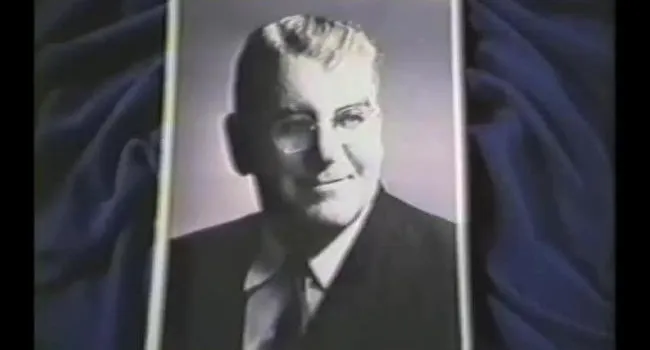
Elliott White Springs
(1896–1959)

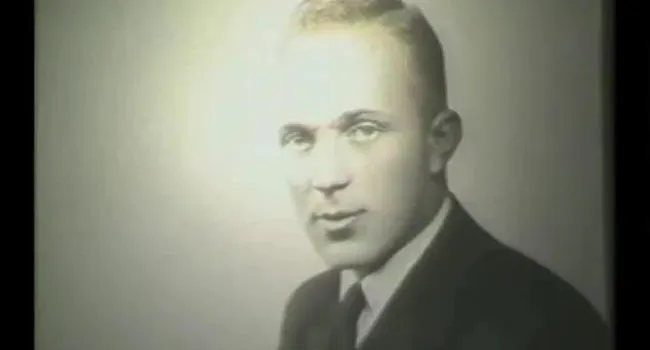
Elliott White Springs was a man of so many talents that it would be difficult to choose any one of his accomplishments as his most outstanding. At his death, he was chairman of Springs Cotton Mills, a company that he took over in 1931 when America was in the depths of the Great Depression, and 10 years later had made it one of the textile industry's major success stories.    

But first there was Springs the aviator, one of the finest, bravest, and most daring pilots produced in World War I. He was the fifth-ranking American ace of the war, with 11 kills to his credit and many more that were not officially confirmed. At the end of the war, in 1918 and a year after he graduated from Princeton, he was 22 years old, a squadron commander, a captain, and holder of the British Flying Cross and the American Distinguished Service Cross. He returned to military service during World War II and left with the rank of lieutenant colonel.    

Then there was Springs the writer, a Roaring Twenties author of nine books and scores of short stories, many published in the leading magazines of his day. He earned a quarter of a million dollars with his writing, and his Warbirds: the Diary of an Unknown Aviator is considered the most important writing about World War I aviation ever produced.

Springs the textile executive was equally impressive. At 35 years old, he inherited from his father the task of running Springs Cotton Mills, which consisted of five comparatively obsolete plants in Lancaster, Chester, and York counties.

Everyone who knew Elliott Springs expected him to waste his inheritance within a few years. His father's estate was valued at about $5 million, ranking him informally as the wealthiest man in South Carolina.

But few people realized to what extent Springs committed himself to learning the business or how hard he was willing to work to learn the fundamentals of textile manufacturing. He not only learned the new business but became familiar with every technical detail related to operating a textile plant. He worked on a loom in his basement, testing proposals of his workers and supervisors.

He discovered that "for a man who loves machines, a cotton mill beats an airplane." He worked until he knew the workings of all machines in the plants and could tell by the sound whether things were running right.

In the face of the Depression, Springs consolidated the five mills into one company, built a finishing plant, established a sales organization, and modernized the business. At the end of 1958, the last full year he managed Springs Cotton Mills, assets were $138.5 million, compared to $13 million when he became president. Sales were $184 million at the end of 1958, more than 19 times greater than sales in 1933.    

In 1958, Springs Cotton Mills was only the seventh-largest textile company in the United States, but it led the textile industry in profitability. And Springs had become the world's largest producer of sheets and pillowcases.

Then there was Springs the advertising genius, whose innovative series of humorous, risqué ads made Springmaid sheets a household word and changed the course of American advertising. Today, nearly 45 years after those ads ran, the company receives hundreds of requests each year for reprint copies, and the series is used in advertising courses in dozens of universities as the most successful ad program ever launched.

In fact, within a few months, the ads and the restructuring of Springs had transformed Springmaid from a virtually unknown brand into one of the most familiar textile products in America.

Springs had great respect for his employees, offering medical care, profit-sharing, and recreational facilities. He established a foundation to help meet community needs for education, recreation, health care, community improvement projects, and church developments.

Elliott White Springs was born July 31, 1896, the son of Leroy and Grace Allison White Springs. His mother died when he was 10 years old, and at 12, he was sent to the Asheville School, a new academy in North Carolina. He later graduated from Princeton University and Oxford University.    

Springs had an obsession with automobiles and was a part-time mechanic most of his life. He owned, among others, a Winston, Isetto Raschini, Detroit Electric, Pierce Arrow, Auburn, Cord, DeSoto, Cadillac, Jaguar, Mark VII, Mercedes Gullwing, Volkswagen, Buick, Chrysler, Aston-Martin, Corvette Stingray, and three Rolls Royces. He gave Governor James Byrnes a custom-built Rolls Royce Phantom II to be used on ceremonial occasions.    

Springs married Frances Hubbard Ley on October 4, 1922. They were the parents of a daughter, Anne Kingsley Springs Close, and a son, Leroy "Sonny" Springs II, who was killed in an airplane crash May 12, 1946, at the age of 22.

Springs died October 15, 1959. Before his death, he designated his son-in-law, H. William Close, as his successor. Today, Springs Industries, Inc., is a $2.2 billion public company. Crandall C. Bowles, Springs' granddaughter, is chairman and chief executive officer.

Elliott White Springs was inducted into the South Carolina Business Hall of Fame in 1985.   

© 1999 South Carolina Business Hall of Fame


A profile of Elliott White Springs.

Elliott White Springs
(1896–1959)

Elliott White Springs was a man of so many talents that it would be difficult to choose any one of his accomplishments as his most outstanding. At his death, he was chairman of Springs Cotton Mills, a company that he took over in 1931 when America was in the depths of the Great Depression, and 10 years later had made it one of the textile industry's major success stories.    

But first there was Springs the aviator, one of the finest, bravest, and most daring pilots produced in World War I. He was the fifth-ranking American ace of the war, with 11 kills to his credit and many more that were not officially confirmed. At the end of the war, in 1918 and a year after he graduated from Princeton, he was 22 years old, a squadron commander, a captain, and holder of the British Flying Cross and the American Distinguished Service Cross. He returned to military service during World War II and left with the rank of lieutenant colonel.    

Then there was Springs the writer, a Roaring Twenties author of nine books and scores of short stories, many published in the leading magazines of his day. He earned a quarter of a million dollars with his writing, and his Warbirds: the Diary of an Unknown Aviator is considered the most important writing about World War I aviation ever produced.

Springs the textile executive was equally impressive. At 35 years old, he inherited from his father the task of running Springs Cotton Mills, which consisted of five comparatively obsolete plants in Lancaster, Chester, and York counties.

Everyone who knew Elliott Springs expected him to waste his inheritance within a few years. His father's estate was valued at about $5 million, ranking him informally as the wealthiest man in South Carolina.

But few people realized to what extent Springs committed himself to learning the business or how hard he was willing to work to learn the fundamentals of textile manufacturing. He not only learned the new business but became familiar with every technical detail related to operating a textile plant. He worked on a loom in his basement, testing proposals of his workers and supervisors.

He discovered that "for a man who loves machines, a cotton mill beats an airplane." He worked until he knew the workings of all machines in the plants and could tell by the sound whether things were running right.

In the face of the Depression, Springs consolidated the five mills into one company, built a finishing plant, established a sales organization, and modernized the business. At the end of 1958, the last full year he managed Springs Cotton Mills, assets were $138.5 million, compared to $13 million when he became president. Sales were $184 million at the end of 1958, more than 19 times greater than sales in 1933.    

In 1958, Springs Cotton Mills was only the seventh-largest textile company in the United States, but it led the textile industry in profitability. And Springs had become the world's largest producer of sheets and pillowcases.

Then there was Springs the advertising genius, whose innovative series of humorous, risqué ads made Springmaid sheets a household word and changed the course of American advertising. Today, nearly 45 years after those ads ran, the company receives hundreds of requests each year for reprint copies, and the series is used in advertising courses in dozens of universities as the most successful ad program ever launched.

In fact, within a few months, the ads and the restructuring of Springs had transformed Springmaid from a virtually unknown brand into one of the most familiar textile products in America.

Springs had great respect for his employees, offering medical care, profit-sharing, and recreational facilities. He established a foundation to help meet community needs for education, recreation, health care, community improvement projects, and church developments.

Elliott White Springs was born July 31, 1896, the son of Leroy and Grace Allison White Springs. His mother died when he was 10 years old, and at 12, he was sent to the Asheville School, a new academy in North Carolina. He later graduated from Princeton University and Oxford University.    

Springs had an obsession with automobiles and was a part-time mechanic most of his life. He owned, among others, a Winston, Isetto Raschini, Detroit Electric, Pierce Arrow, Auburn, Cord, DeSoto, Cadillac, Jaguar, Mark VII, Mercedes Gullwing, Volkswagen, Buick, Chrysler, Aston-Martin, Corvette Stingray, and three Rolls Royces. He gave Governor James Byrnes a custom-built Rolls Royce Phantom II to be used on ceremonial occasions.    

Springs married Frances Hubbard Ley on October 4, 1922. They were the parents of a daughter, Anne Kingsley Springs Close, and a son, Leroy "Sonny" Springs II, who was killed in an airplane crash May 12, 1946, at the age of 22.

Springs died October 15, 1959. Before his death, he designated his son-in-law, H. William Close, as his successor. Today, Springs Industries, Inc., is a $2.2 billion public company. Crandall C. Bowles, Springs' granddaughter, is chairman and chief executive officer.

Elliott White Springs was inducted into the South Carolina Business Hall of Fame in 1985.   

© 1999 South Carolina Business Hall of Fame


More in this Series

Legacy of Leadership / Manufacturing

John A. Warren | Legacy of Leadership Interview A. Foster McKissick | Legacy of Leadership Profile

Video

Grades

  • 6
  • 7
  • 8
  • 9
  • 10
  • 11
  • 12
A. Foster McKissick | Legacy of Leadership Profile
A. Foster McKissick (1869 – 1938) Anthony Foster McKissick was a major figure in the Southern textile industry and was also a college professor, scientist, state legislator, philanthropist, and...
John A. Warren | Legacy of Leadership Interview Arthur M. Williams, Jr. | Legacy of Leadership Profile

Video

Grades

  • 6
  • 7
  • 8
  • 9
  • 10
  • 11
  • 12
Arthur M. Williams, Jr. | Legacy of Leadership Profile
Arthur M. Williams, Jr. (1914–1990) Arthur M. Williams, Jr., was one of South Carolina's most influential businessmen during the state's profound economic changes in the 1960s and 1970s. A prudent...
John A. Warren | Legacy of Leadership Interview Ben R. Morris | Legacy of Leadership Interview

Video

Grades

  • 6
  • 7
  • 8
  • 9
  • 10
  • 11
  • 12
Ben R. Morris | Legacy of Leadership Interview
Interview with Ben Rankin Morris whose career was in textiles and newspaper publishing. Ben R. Morris (1922–2005) Ben Morris had spent 22 years working in textiles and textile machinery when he left...
John K. Cauthen | Legacy of Leadership Profile Ben R. Morris | Legacy of Leadership Profile

Video

Grades

  • 6
  • 7
  • 8
  • 9
  • 10
  • 11
  • 12
Ben R. Morris | Legacy of Leadership Profile
A profile of Ben Rankin Morris. Ben R. Morris (1922–2005) Ben Morris had spent 22 years working in textiles and textile machinery when he left Atlanta for Columbia in 1970 to enter the newspaper...
John A. Warren | Legacy of Leadership Interview Charles W. Coker | Legacy of Leadership Interview

Video

Grades

  • 6
  • 7
  • 8
  • 9
  • 10
  • 11
  • 12
Charles W. Coker | Legacy of Leadership Interview
Charles W. Coker (Born May 10, 1933) Charlie Coker has spent nearly 30 years guiding the fortunes of Sonoco Products Company of Hartsville, and his tenure as chief executive officer is best...
John A. Warren | Legacy of Leadership Interview David S. Lewis | Legacy of Leadership Profile

Video

Grades

  • 6
  • 7
  • 8
  • 9
  • 10
  • 11
  • 12
David S. Lewis | Legacy of Leadership Profile
David Sloan Lewis (1917 - 2003) As a boy growing up in Charleston, David Lewis was fascinated by aviation. He read everything he could find about the World War I fighter planes and their romantic...
John A. Warren | Legacy of Leadership Interview E. Craig Wall, Jr. | Legacy of Leadership Profile

Video

Grades

  • 6
  • 7
  • 8
  • 9
  • 10
  • 11
  • 12
E. Craig Wall, Jr. | Legacy of Leadership Profile
E. Craig Wall, Jr. (1937–1997) Craig Wall, Jr., was respected as one of the most successful business leaders in South Carolina. His Canal Industries and affiliates represent a major presence in the...
John A. Warren | Legacy of Leadership Interview Franklin G. Burroughs | Legacy of Leadership Profile

Video

Grades

  • 6
  • 7
  • 8
  • 9
  • 10
  • 11
  • 12
Franklin G. Burroughs | Legacy of Leadership Profile
Franklin G. Burroughs (1834–1897) During the second half of the 19th century, Franklin G. Burroughs was one of Horry County's most successful business leaders, and even before the railroad ran past...
John A. Warren | Legacy of Leadership Interview Franklyn D. Owen, Jr. | Legacy of Leadership Profile

Video

Grades

  • 6
  • 7
  • 8
  • 9
  • 10
  • 11
  • 12
Franklyn D. Owen, Jr. | Legacy of Leadership Profile
(1930 – 1982) In April 1994, Owen Steel Company, Inc., of Columbia sold the largest contract in the company's history — 23,500 tons of structural steel for the Atlantic City Convention Center project...
John A. Warren | Legacy of Leadership Interview Frederick B. Dent  | Legacy of Leadership Profile

Video

Grades

  • 6
  • 7
  • 8
  • 9
  • 10
  • 11
  • 12
Frederick B. Dent | Legacy of Leadership Profile
A profile of Frederick Baily Dent. Frederick B. Dent (Born August 17, 1922) In the fall of 1973, a reporter for Nation's Business wrote of Secretary of Commerce Frederick B. Dent: "Despite a soft...
John A. Warren | Legacy of Leadership Interview Frederick B. Dent | Legacy of Leadership Interview

Video

Grades

  • 6
  • 7
  • 8
  • 9
  • 10
  • 11
  • 12
Frederick B. Dent | Legacy of Leadership Interview
Frederick B. Dent (1922 - ) In the fall of 1973, a reporter for Nation's Business wrote of Secretary of Commerce Frederick B. Dent: "Despite a soft Southern accent and an affable demeanor which fits...
John A. Warren | Legacy of Leadership Interview George William Rogers | Legacy of Leadership Profile

Video

Grades

  • 6
  • 7
  • 8
  • 9
  • 10
  • 11
  • 12
George William Rogers | Legacy of Leadership Profile
George William "Bill" Rogers (Born February 8, 1925) ​Bonitz, Inc., and Consolidated Systems, Inc., are hardly household names in Columbia, where they were established in the 1950s, but both are well...
John A. Warren | Legacy of Leadership Interview Guy F. Lipscomb, Jr. | Legacy of Leadership Interview

Video

Grades

  • 6
  • 7
  • 8
  • 9
  • 10
  • 11
  • 12
Guy F. Lipscomb, Jr. | Legacy of Leadership Interview
An interview with Guy Fleming Lipscomb, Jr. He discusses the characteristics needed for leadership including trustworthiness, continuous study and education, learning to work with other people...
Ben R. Morris | Legacy of Leadership Profile Guy F. Lipscomb, Jr. | Legacy of Leadership Profile

Video

Grades

  • 6
  • 7
  • 8
  • 9
  • 10
  • 11
  • 12
Guy F. Lipscomb, Jr. | Legacy of Leadership Profile
A profile of Guy Fleming Lipscomb, Jr. Guy Fleming Lipscomb, Jr. (1917-2009) Business owner, chemist, civic leader, philanthropist, artist, author, teacher, star collegiate athlete, club golf champion...
John A. Warren | Legacy of Leadership Interview H. William Close | Legacy of Leadership Profile

Video

Grades

  • 6
  • 7
  • 8
  • 9
  • 10
  • 11
  • 12
H. William Close | Legacy of Leadership Profile
H. William Close (1919–1983) Under the leadership of H. William Close, Springs Industries, Inc., became one of the most successful textile manufacturing companies in the world. A degree in business...
Ben R. Morris | Legacy of Leadership Profile Herman W. Lay | Legacy of  Leadership Profile

Video

Grades

  • 6
  • 7
  • 8
  • 9
  • 10
  • 11
  • 12
Herman W. Lay | Legacy of Leadership Profile
1909 - 1982 Herman Lay's first business enterprise was selling Pepsi-Colas from a makeshift stand in his family's front yard in Greenville. He was 11 years old. He was successful, charging a nickel a...
John A. Warren | Legacy of Leadership Interview James A. Chapman, Jr. | Legacy of Leadership Profile

Video

Grades

  • 6
  • 7
  • 8
  • 9
  • 10
  • 11
  • 12
James A. Chapman, Jr. | Legacy of Leadership Profile
James A. Chapman, Jr. (1921–1983) James Alfred Chapman, Jr., was born September 30, 1921, in Inman, one of five sons of James A. and Martha Marshall Chapman. The boys were provided a Christian home...
John A. Warren | Legacy of Leadership Interview James C. "Jim" Self | Legacy of Leadership

Video

Grades

  • 6
  • 7
  • 8
  • 9
  • 10
  • 11
  • 12
James C. "Jim" Self | Legacy of Leadership
James C. "Jim" Self (1919–1998) James C. Self and his son, Jim, were the first father-son laureates of the South Carolina Business Hall of Fame. Jim Self's father took over a run-down, 10-year-old...
John A. Warren | Legacy of Leadership Interview James C. Self, Sr. | Legacy of Leadership Profile

Video

Grades

  • 6
  • 7
  • 8
  • 9
  • 10
  • 11
  • 12
James C. Self, Sr. | Legacy of Leadership Profile
James C. Self, Sr. (1876–1955) James C. Self, Sr. took a rundown cotton mill and turned it into what has been called "The Greenwood Story," and his is one of the most notable success stories in South...
John A. Warren | Legacy of Leadership Interview James Lide Coker | Legacy of Leadership Profile

Video

Grades

  • 6
  • 7
  • 8
  • 9
  • 10
  • 11
  • 12
James Lide Coker | Legacy of Leadership Profile
James Lide Coker (1837–1918) Farmer, father, soldier, businessman, merchant, banker, railroad man, industrialist—those are only a few of the titles describing James Lide Coker, who for nearly 60 years...
Roger Milliken | Legacy of Leadership Profile John A. Warren | Legacy of Leadership Interview

Video

Grades

  • 6
  • 7
  • 8
  • 9
  • 10
  • 11
  • 12
John A. Warren | Legacy of Leadership Interview
John A. Warren (1925-2009) John Warren retired as chairman and chief executive of SCANA Corporation in January 1990, but 18 months later he was working again, as chairman of the South Carolina State...
John A. Warren | Legacy of Leadership Interview John A. Warren | Legacy of Leadership Profile

Video

Grades

  • 6
  • 7
  • 8
  • 9
  • 10
  • 11
  • 12
John A. Warren | Legacy of Leadership Profile
John A. Warren (1925-2009) John Warren retired as chairman and chief executive of SCANA Corporation in January 1990, but 18 months later he was working again, as chairman of the South Carolina State...
Ben R. Morris | Legacy of Leadership Profile John E. Swearingen | Legacy of Leadership Profile

Video

Grades

  • 6
  • 7
  • 8
  • 9
  • 10
  • 11
  • 12
John E. Swearingen | Legacy of Leadership Profile
John E. Swearingen (1918–2007) John E. Swearingen retired as chairman of the board of directors of Standard Oil Company (Indiana), now BP–Amoco Corporation, on his 65th birthday anniversary, September...
John A. Warren | Legacy of Leadership Interview John M. Hamrick | Legacy of Leadership Profile

Video

Grades

  • 6
  • 7
  • 8
  • 9
  • 10
  • 11
  • 12
John M. Hamrick | Legacy of Leadership Profile
John M. Hamrick (1913-2005) Few people have a better understanding of the economics of American industry, particularly textile manufacturing, than John M. Hamrick, chairman of Hamrick Mills, Inc., of...
John A. Warren | Legacy of Leadership Interview P. Henderson Barnette | Legacy of Leadership Profile

Video

Grades

  • 6
  • 7
  • 8
  • 9
  • 10
  • 11
  • 12
P. Henderson Barnette | Legacy of Leadership Profile
P. Henderson Barnette (1924–2006) For many years, P. Henderson Barnette has been one of South Carolina's most respected leaders in business, education, community development, and politics. His...
John A. Warren | Legacy of Leadership Interview Robert S. Davis | Legacy of Leadership Profile

Video

Grades

  • 6
  • 7
  • 8
  • 9
  • 10
  • 11
  • 12
Robert S. Davis | Legacy of Leadership Profile
A profile of Robert Spence Davis. Robert S. Davis (1915–1993) Robert S. Davis, who retired as chairman of The R. L. Bryan Company, one of South Carolina's oldest businesses, made a side career out of...
John A. Warren | Legacy of Leadership Interview Roger Milliken | Legacy of Leadership Profile

Video

Grades

  • 6
  • 7
  • 8
  • 9
  • 10
  • 11
  • 12
Roger Milliken | Legacy of Leadership Profile
Roger Milliken (1915 - 2010) Through Roger Milliken's leadership and passion for innovation and research, Milliken & Company has become one of the largest and most successful textile and chemical...
John A. Warren | Legacy of Leadership Interview W. Melvin Brown, Jr. | Legacy of Leadership Profile

Video

Grades

  • 6
  • 7
  • 8
  • 9
  • 10
  • 11
  • 12
W. Melvin Brown, Jr. | Legacy of Leadership Profile
W. Melvin Brown, Jr. (1934–1994) Starting with a vision and an opportunity, W. Melvin Brown, Jr., guided the growth of American Development Corporation of North Charleston into the largest minority...
John A. Warren | Legacy of Leadership Interview Walter S. Montgomery | Legacy of Leadership Profile

Video

Grades

  • 6
  • 7
  • 8
  • 9
  • 10
  • 11
  • 12
Walter S. Montgomery | Legacy of Leadership Profile
A profile of Walter Scott Montgomery. Walter S. Montgomery (1900 – 1996) Spartan Mills is one of the South Carolina textile industry's most highly regarded companies, and the high esteem in which it...
John A. Warren | Legacy of Leadership Interview William Barnet | Legacy of Leadership

Video

Grades

  • 6
  • 7
  • 8
  • 9
  • 10
  • 11
  • 12
William Barnet | Legacy of Leadership
William Barnet III (Born August 2, 1942) From loading trucks to leading a now 106-year-old family business to serving the South Carolina public, both as a volunteer and an elected official, William...
John A. Warren | Legacy of Leadership Interview William Gregg | Legacy of Leadership Profile

Video

Grades

  • 6
  • 7
  • 8
  • 9
  • 10
  • 11
  • 12
William Gregg | Legacy of Leadership Profile
William Gregg (1800–1867) William Gregg, jeweler, watchsmith, champion of industry, and founder of the Graniteville Company, was known as the father of Southern cotton manufacturing. Gregg was born...
John A. Warren | Legacy of Leadership Interview William J. Murray, Jr. | Legacy of Leadership Profile

Video

Grades

  • 6
  • 7
  • 8
  • 9
  • 10
  • 11
  • 12
William J. Murray, Jr. | Legacy of Leadership Profile
A profile of William Jacob Murray, Jr. William J. Murray (1888 – 1972) William J. Murray of Columbia helped guide a beleaguered McKesson & Robbins through the dark days of the late 1930s and early...