Reflections of Columbia, Part 7 - The 50's and 60's | Carolina Stories - Episode 7

Kaltura

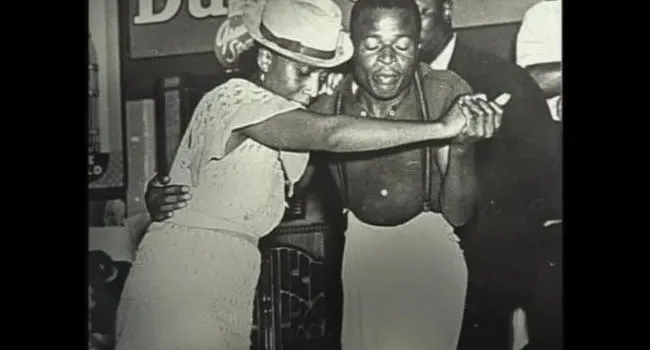
The 1950s signaled a decade of prosperity for Columbia, including drive-ins, drug-stores, hot cars, and rock and roll. Columbia residents recall their memories of the 1950s.

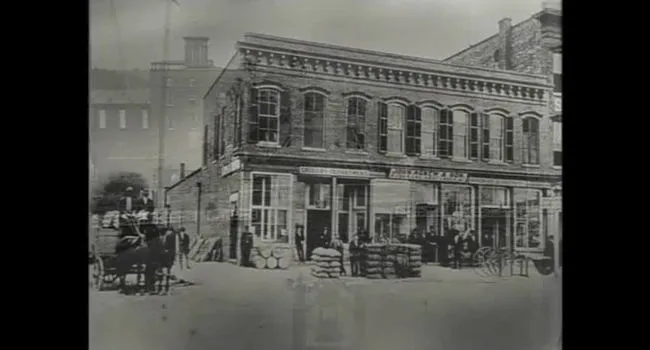
Throughout the 50s and 60s, Downtown Columbia, more specifically, Main Street, remained as the place to shop and eat.

The 1960s was also a turbulent time for Columbia, which saw significant changes, with the Civil Rights movement, and the hardships people endured to achieve desegregation. In order to avoid the violence witnessed in other Southern states, then Mayor Lester Bates devised a daring plan to move Columbia decisively in the direction of desegregation. The NAACP worked to desegregate public schools in South Carolina, starting with the University of South Carolina, and Columbia College. 

The 1950s signaled a decade of prosperity for Columbia, including drive-ins, drug-stores, hot cars, and rock and roll. Columbia residents recall their memories of the 1950s.

Throughout the 50s and 60s, Downtown Columbia, more specifically, Main Street, remained as the place to shop and eat.

The 1960s was also a turbulent time for Columbia, which saw significant changes, with the Civil Rights movement, and the hardships people endured to achieve desegregation. In order to avoid the violence witnessed in other Southern states, then Mayor Lester Bates devised a daring plan to move Columbia decisively in the direction of desegregation. The NAACP worked to desegregate public schools in South Carolina, starting with the University of South Carolina, and Columbia College. 

La década de 1950 marcó una década de prosperidad para Columbia, incluidos los autocines, las farmacias, los autos calientes y el rock and roll. Los residentes de Columbia recuerdan sus recuerdos de la década de 1950. 

Durante los años 50 y 60, el centro de Columbia, más específicamente, Main Street, se mantuvo como el lugar para comprar y comer. 

La década de 1960 también fue una época turbulenta para Columbia, que vio cambios significativos, con el movimiento de Derechos Civiles, y las dificultades que soportó la gente para lograr la desegregación. Para evitar la violencia presenciada en otros estados del sur, el entonces alcalde Lester Bates ideó un atrevido plan para mover a Columbia de manera decisiva en la dirección de la desegregación. La NAACP trabajó para eliminar la segregación de las escuelas públicas en Carolina del Sur, comenzando con la Universidad de Carolina del Sur y Columbia College.

More in this Series

Carolina Stories / Reflections of Columbia

Reflections of Columbia, Part 6 - World War Two | Carolina Stories
   - Episode 6 Reflections of Columbia, Part 1 1

Video

Grades

  • 9
  • 10
  • 11
  • 12
  • Higher Education
Reflections of Columbia, Part 1
Episode 1
Sitting on the Congaree River, Columbia, South Carolina has a rich, diverse, and celebrated history. Columbia was founded on what was once a plantation owned by Colonel Thomas Taylor. The “back...
 Reflections of Columbia, Part 2 2

Video

Grades

  • 4
  • 8
Reflections of Columbia, Part 2
Episode 2
In 1860, roughly 60% of the population in Columbia were slaves. 60% of the gross economic capital in South Carolina was in human property. With the growing popularity of the Republican Party, and...
Reflections of Columbia, Part 6 - World War Two | Carolina Stories
   - Episode 6 Reflections of Columbia, Part 3 3

Video

Grades

  • 4
  • 8
Reflections of Columbia, Part 3
Episode 3
After Reconstruction, the local business community thrived in the 1880s. Horse-drawn trollies became common-place in the streets of Columbia, and the Columbia Canal was completed in 1882. “Mill...
 Reflections of Columbia, Part 4 4

Video

Grades

  • 8
  • 9
  • 10
  • 11
  • 12
  • Higher Education
Reflections of Columbia, Part 4
Episode 4
The 1920s was a prosperous time for Columbia. The city experienced a cultural renaissance, even though the rural areas were feeling early pings of the oncoming depression. Dance clubs for both Whites...
Reflections of Columbia, Part 6 - World War Two | Carolina Stories
   - Episode 6 Reflections of Columbia, Part 5 5

Video

Grades

  • 8
Reflections of Columbia, Part 5
Episode 5
The first sign of the Great Depression in South Carolina was the drastic drop in cotton prices. While the rest of the country was hit hard by the depression, those living in Columbia had an economic...
Reflections of Columbia, Part 1 - Founding And Early History | Carolina Stories
   - Episode 1 Reflections of Columbia, Part 6 6

Video

Grades

  • 5
Reflections of Columbia, Part 6
Episode 6
The addition of Columbia’s new Army training ground, Camp Jackson, would have a significant impact on the city. The U.S. was being drawn into World War Two, and many of the Army’s soldiers would come...
Reflections of Columbia, Part 6 - World War Two | Carolina Stories
   - Episode 6 Reflections of Columbia, Part 8 8

Video

Grades

  • 8
Reflections of Columbia, Part 8
Episode 8
In the 1970s, the growth of state government jobs and light industry began to draw people from outside the midlands into Columbia. New generations of residents moved back into Downtown Columbia, and...