Visit the South Carolina Department of Education for Science standards.

Take a quick look at all Science series on Knowitall.org


Toggle Filters

Filter By:

Clear Filters

Grade Levels

close

Grade

Resource Type

close

Resource Type

Downloadable Content

close

Downloadable Content

Visit the South Carolina Department of Education for Science standards.

Take a quick look at all Science series on Knowitall.org


 Black-Bellied Salamander | The Cove Forest

Video

Grades

  • 3
  • 4
  • 5
  • 6
  • 7
  • 8
  • 9
  • 10
  • 11
  • 12
Black-Bellied Salamander | The Cove Forest
(Desmognathus quadramaculatus) This is the largest of the lungless salamanders in the cove forests. They are usually found in streams that have a rocky bottom and usually rest on wet rocks near these...
 Jordan's Salamander | The Cove Forest

Video

Grades

  • 3
  • 4
  • 5
  • 6
  • 7
  • 8
  • 9
  • 10
  • 11
  • 12
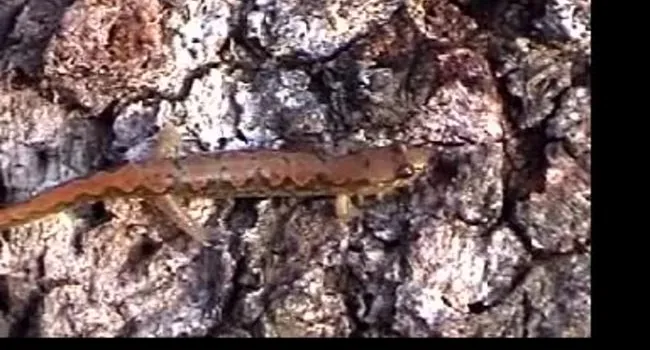
Jordan's Salamander | The Cove Forest
(Plenthodon jordani) This lungless salamander is extremely abundant in cove forests at higher altitudes. Large quantities of sticky mucus are secreted by the tail for protection against avian...
 Ocoee Salamander  | The Cove Forest

Video

Grades

  • 3
  • 4
  • 5
  • 6
  • 7
  • 8
  • 9
  • 10
  • 11
  • 12
Ocoee Salamander | The Cove Forest
(Desmognathus ocoee) The ocoee salamander is lungless and lives in streams in wet areas adjacent to streams. It has a highly variable dorsal color patterning; usually a series of connected paired...
 Red Salamader | The Cove Forest

Video

Grades

  • 3
  • 4
  • 5
  • 6
  • 7
  • 8
  • 9
  • 10
  • 11
  • 12
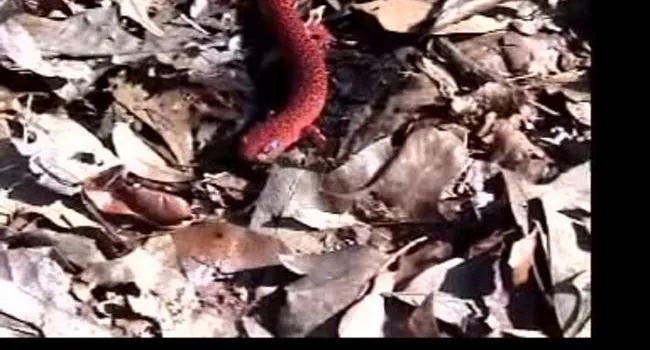
Red Salamader | The Cove Forest
(Pseudotrition ruber) The red is one of the most beautiful salamanders in the cove forest. Colors range from purplish brown to deep orange-red. It is lungless and terrestrial. Eggs are laid in water...
 Spotted Salamander | The Cove Forest

Video

Grades

  • 3
  • 4
  • 5
  • 6
  • 7
  • 8
  • 9
  • 10
  • 11
  • 12
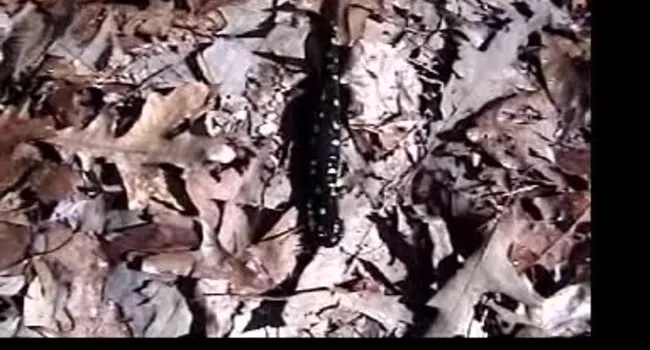
Spotted Salamander | The Cove Forest
(Ambystoma maculatum) The spotted salamander is one of the most colorful of the ambystomid salamanders. The shiny black back of the animal has a series of large yellow/yellow orange spots. These...
Flowering Dogwood | The Cove Forest

Photo

Grades

  • 6
  • 7
  • 8
  • 9
  • 10
  • 11
  • 12
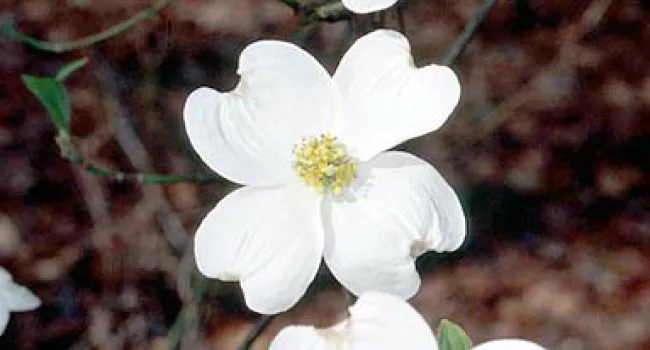
Flowering Dogwood | The Cove Forest
(Cornus florida) This small understory tree of forests is also widely planted in residential areas. In spring, clusters of small greenish flowers surrounded by four large white petal-like bracts are...
 Short-Tailed Shrew | The Cove Forest

Video

Grades

  • 3
  • 4
  • 5
  • 6
  • 7
  • 8
  • 9
  • 10
  • 11
  • 12
Short-Tailed Shrew | The Cove Forest
This shrew is very common and is one of the largest of the various shrew species weighing 11- 30 g. Food consists mainly of invertebrates such as earthworms, snails, and insects. However, these shrews...
 Eastern Pipistrelle Bat | The Cove Forest

Video

Grades

  • 3
  • 4
  • 5
  • 6
  • 7
  • 8
  • 9
  • 10
  • 11
  • 12
Eastern Pipistrelle Bat | The Cove Forest
The pipistrelle is the smallest bat in the southern US. This is one of the most common bats in the cove forest. This bat is a very early evening feeder and tends to feed at treetop levels.
 Deer Mouse | The Cove Forest

Video

Grades

  • 3
  • 4
  • 5
  • 6
  • 7
  • 8
  • 9
  • 10
  • 11
  • 12
Deer Mouse | The Cove Forest
(peromyscus maniculatus) This rodent is the most important prey item for the avian and mammalian predators that frequent the cove forest. This specis is the most widespread of North American rodents...
 Masked Shrew | The Cove Forest

Video

Grades

  • 3
  • 4
  • 5
  • 6
  • 7
  • 8
  • 9
  • 10
  • 11
  • 12
Masked Shrew | The Cove Forest
(sorex cinereus) This insectivore is related to the common moles. It is one of the smallest mammals found in the United States weighing between 2-5 g. It is constantly active with a very high...