Visit the South Carolina Department of Education for Science standards.

Take a quick look at all Science series on Knowitall.org


Toggle Filters

Filter By:

Clear Filters

Grade Levels

close

Grade

Resource Type

close

Resource Type

Downloadable Content

close

Downloadable Content

Visit the South Carolina Department of Education for Science standards.

Take a quick look at all Science series on Knowitall.org


The Understory | The Cove Forest

Photo

Grades

  • 6
  • 7
  • 8
  • 9
  • 10
  • 11
  • 12
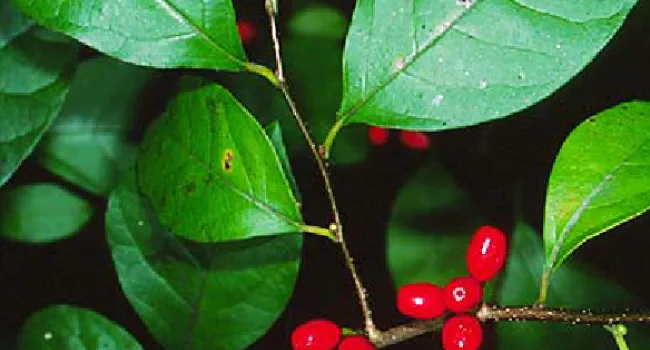
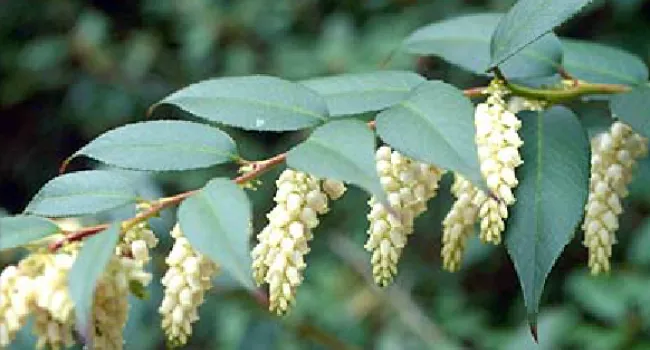
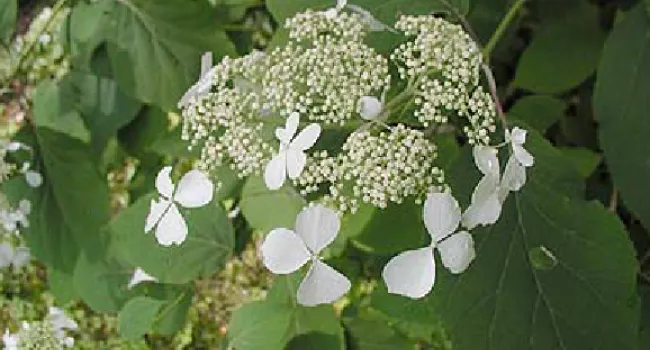
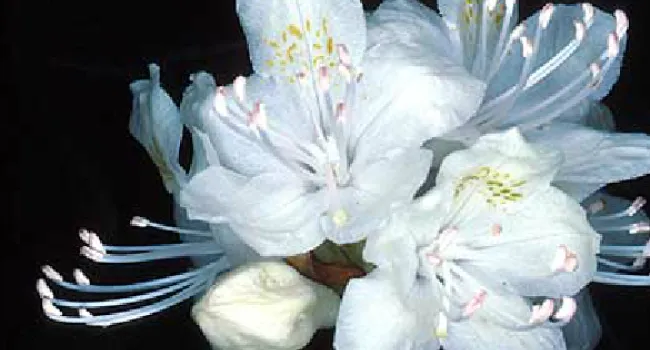
The Understory | The Cove Forest
Episode 2
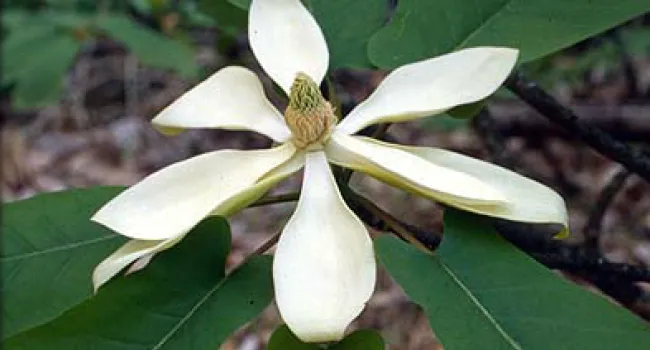
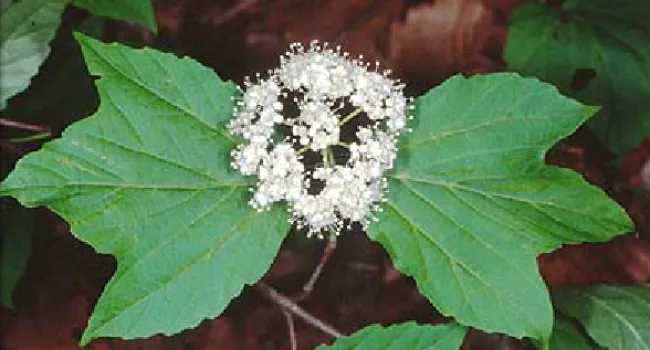
The understory typically includes smaller individuals of canopy species such as beach and yellow buckeye. Also present are genetically smaller trees that never reach the canopy, such as flowering...
The Canopy | The Cove Forest

Photo

Grades

  • 6
  • 7
  • 8
  • 9
  • 10
  • 11
  • 12
The Canopy | The Cove Forest
Episode 1
Mature trees in a cove forest are so large and so closely bunched together that the canopy is like a huge tent that shuts out the sunlight. Most photosynthesis (food production) of the forest occurs...
Gap with Fallen Tree | The Cove Forest

Photo

Grades

  • 6
  • 7
  • 8
  • 9
  • 10
  • 11
  • 12
Gap with Fallen Tree | The Cove Forest
Due to high winds, old age and other natural causes, trees frequently fall over, which creates openings (gaps) in the forest. These openings promote species diversity by creating additional and...
Old Giants | The Cove Forest

Photo

Grades

  • 6
  • 7
  • 8
  • 9
  • 10
  • 11
  • 12
Old Giants | The Cove Forest
In remote rugged areas, where logging proved difficult, small remnant patches of intact cove forest still exist. Here, one may encounter unusually large trees with wide trunks, some of which may be...
A Coniferous and Flowering Tree | The Cove Forest

Photo

Grades

  • 6
  • 7
  • 8
  • 9
  • 10
  • 11
  • 12
A Coniferous and Flowering Tree | The Cove Forest
There are two main groups of trees -- coniferous trees and flowering trees. Coniferous trees generally produce seeds in cones, have needle-like leaves and are evergreen. In contrast, flowering trees...
Nutrient-Rich Soils | The Cove Forest

Photo

Grades

  • 6
  • 7
  • 8
  • 9
  • 10
  • 11
  • 12
Nutrient-Rich Soils | The Cove Forest
Cove forests typically have deep nutrient-rich soils that are less acidic than surrounding areas. A favorable soil, coupled with a relatively cool, moist environment, promotes a rich diversity of...
Mixed Mesophytic Forests | The Cove Forest

Photo

Grades

  • 6
  • 7
  • 8
  • 9
  • 10
  • 11
  • 12
Mixed Mesophytic Forests | The Cove Forest
Cove forests are also called "mixed mesophytic forests." The term, "mixed mesophytic forest" refers to a mixture of tree species adapted to relatively cool, moist environments and rich soils...
Fowler's Toad | The Cove Forest

Photo

Grades

  • 3
  • 4
  • 5
  • 6
  • 7
  • 8
  • 9
  • 10
  • 11
  • 12
Fowler's Toad | The Cove Forest
(Bufo fowler) This toad is commonly found in the deciduous woods of the Carolinas. It differs from the American Toad by having more than two warts in each dorsal dark spot. The large glands behind the...
 Spotted Salamander | The Cove Forest

Video

Grades

  • 3
  • 4
  • 5
  • 6
  • 7
  • 8
  • 9
  • 10
  • 11
  • 12
Spotted Salamander | The Cove Forest
(Ambystoma maculatum) The spotted salamander is one of the most colorful of the ambystomid salamanders. The shiny black back of the animal has a series of large yellow/yellow orange spots. These...