The Animal Kingdom

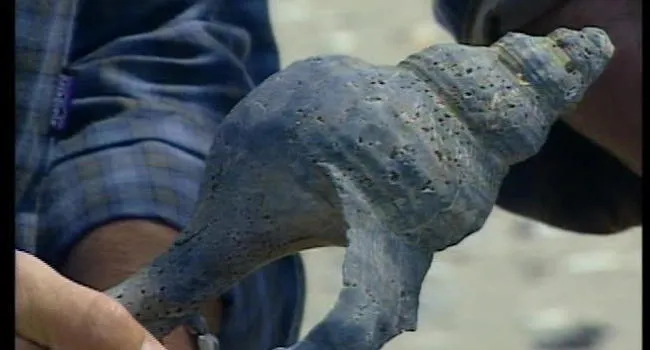
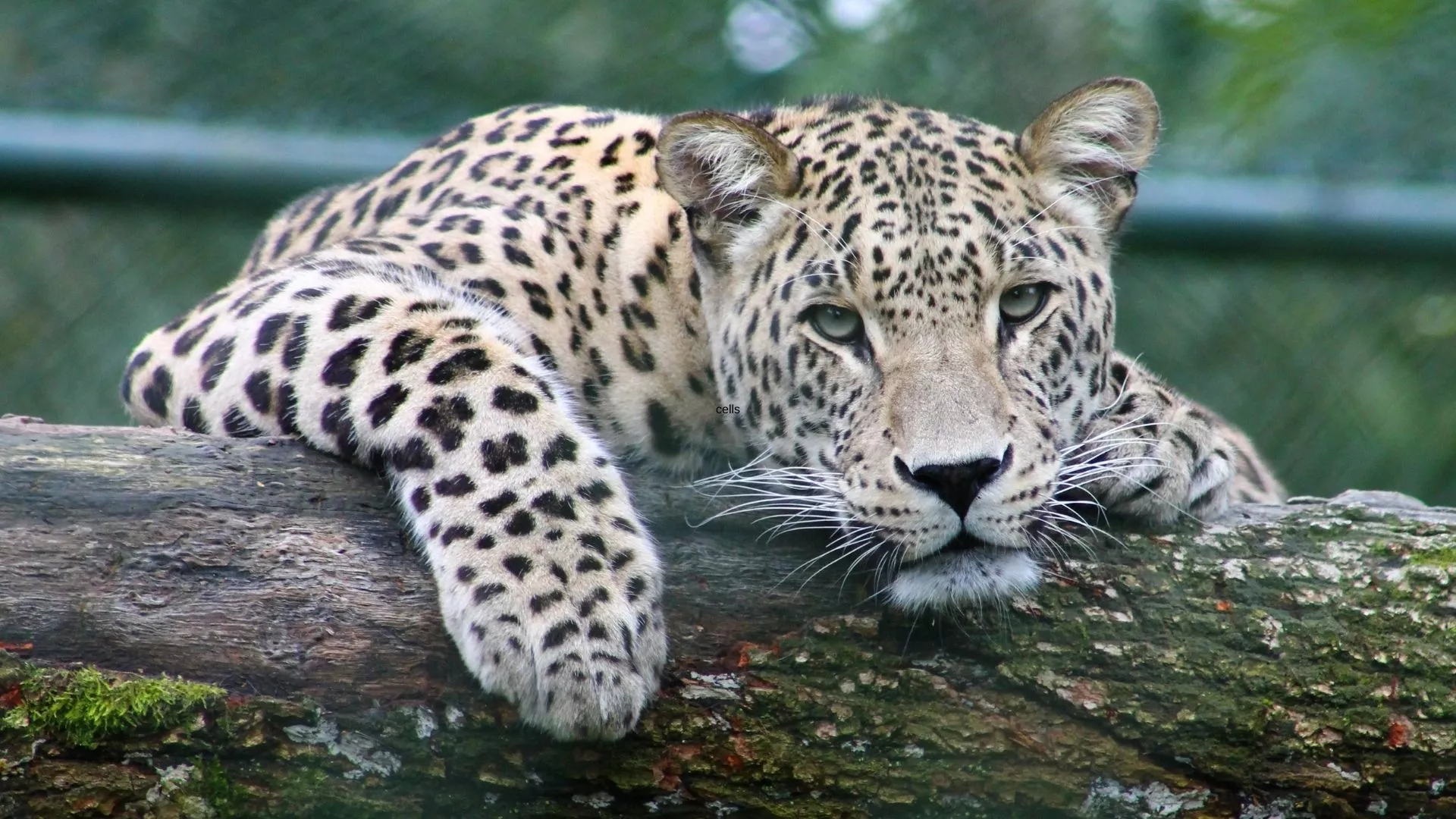
There are different groups of animals. One way to classify or group animals is by taking a look at their physical characteristics. Animals can be vertebrates (have a backbone) or invertebrates (have no backbone)
The Animal Kingdom | Topics
Collapse
Expand
Toggle Filters

Filter By:

Clear Filters

Grade Levels

close

Grade

Resource Type

close

Resource Type

Downloadable Content

close

Downloadable Content
The Animal Kingdom | Topics
Collapse
Expand
 Peachtree Rock (S.C.) Stop 3 5

Video

Grades

  • 3
  • 4
  • 5
  • 6
  • 7
  • 8
  • 9
  • 10
  • 11
  • 12
Peachtree Rock (S.C.) Stop 3
Episode 5
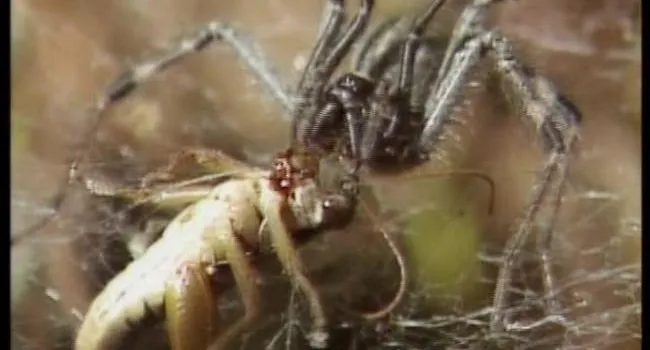
Rudy and Jim find some Bracken fern, which is a common species of nonflowering plant in the area. And close by, they find a feeding Funnel spider, and a Black Widow spider.
 Peachtree Rock (S.C.) Stop 4 6

Video

Grades

  • 3
  • 4
  • 5
  • 6
  • 7
  • 8
  • 9
  • 10
  • 11
  • 12
Peachtree Rock (S.C.) Stop 4
Episode 6
Hardwood Forest - On lower ground, where there is much more moisture, Red Maple, Maple Leaf Viburnum, Mountain Laurel, and White Oak trees grow very well in areas like this. Rudy and Jim come across...
 Peachtree Rock (S.C.) Stop 5 7

Video

Grades

  • 3
  • 4
  • 5
  • 6
  • 7
  • 8
  • 9
  • 10
  • 11
  • 12
Peachtree Rock (S.C.) Stop 5
Episode 7
Peachtree Rock – Rudy and Jim visit the actual rock in which the area gets its name. Contrary to popular belief, it is not actually a rock, but merely a large outcropping of sand held together by iron...
 Peachtree Rock (S.C.) Stop 6 8

Video

Grades

  • 3
  • 4
  • 5
  • 6
  • 7
  • 8
  • 9
  • 10
  • 11
  • 12
Peachtree Rock (S.C.) Stop 6
Episode 8
Further up the trail where the area has less moisture, we see Turkey Oaks and Longleaf Pines make a return. Sparkleberry, Blazing Star, and Jointweed flowers are common in this area. On one of the...
 Peachtree Rock (S.C.) Stop 6 9

Video

Grades

  • 3
  • 4
  • 5
  • 6
  • 7
  • 8
  • 9
  • 10
  • 11
  • 12
Peachtree Rock (S.C.) Stop 6
Episode 9
At the same stop, a Canebrake Rattlesnake is found resting up in a tree; a most unusual place to find a rattlesnake!
Old Santee Canal Park (S.C.) Stop 8 - Visitors Center And Butterfly Garden
   - Episode 9 Old Santee Canal Park (S.C.) Stop 1 1

Video

Grades

  • 3
  • 4
  • 5
  • 6
  • 7
  • 8
  • 9
  • 10
  • 11
  • 12
Old Santee Canal Park (S.C.) Stop 1
Episode 1
Rudy and Jim visit Old Santee Canal Park, a historic lowcountry area near Monck’s Corner, South Carolina. The area features a wide array of habitats, containing both native and non-native plants. Some...
Old Santee Canal Park (S.C.) Stop 8 - Visitors Center And Butterfly Garden
   - Episode 9 Old Santee Canal Park (S.C.) Stop 5 6

Video

Grades

  • 3
  • 4
  • 5
  • 6
  • 7
  • 8
  • 9
  • 10
  • 11
  • 12
Old Santee Canal Park (S.C.) Stop 5
Episode 6
Biggin Creek – Here at this wetland area, we see Duckweed, Mosquito Fern, Cypress trees, Spanish Moss, Wild Rice, Bur Marigold, Rose Hips, . Out in the water, Rudy and Jim spot a Great Blue Heron, and...
 Old Santee Canal Park (S.C.) Stop 6 7

Video

Grades

  • 3
  • 4
  • 5
  • 6
  • 7
  • 8
  • 9
  • 10
  • 11
  • 12
Old Santee Canal Park (S.C.) Stop 6
Episode 7
The Santee Canal – This canal took seven years to build, from 1793-1800, and is around 22 miles long. Duckweed and Pennywort are seen growing along the sides of the canal. Rudy and Jim find a Chain...
Old Santee Canal Park (S.C.) Stop 8 - Visitors Center And Butterfly Garden
   - Episode 9 Old Santee Canal Park (S.C.) Stop 7 8

Video

Grades

  • 3
  • 4
  • 5
  • 6
  • 7
  • 8
  • 9
  • 10
  • 11
  • 12
Old Santee Canal Park (S.C.) Stop 7
Episode 8
Here, outside Old Santee Canal Park’s visitor center, we see a Green Jacket dragonfly, live oaks, Poison Ivy, Trumpet Creeper, Southern Sugar Maple, and a Yellow Bellied Sap-Sucker in a nearby...