The Animal Kingdom

There are different groups of animals. One way to classify or group animals is by taking a look at their physical characteristics. Animals can be vertebrates (have a backbone) or invertebrates (have no backbone)
The Animal Kingdom | Topics
Collapse
Expand
Toggle Filters

Filter By:

Clear Filters

Grade Levels

close

Grade

Resource Type

close

Resource Type

Downloadable Content

close

Downloadable Content
The Animal Kingdom | Topics
Collapse
Expand
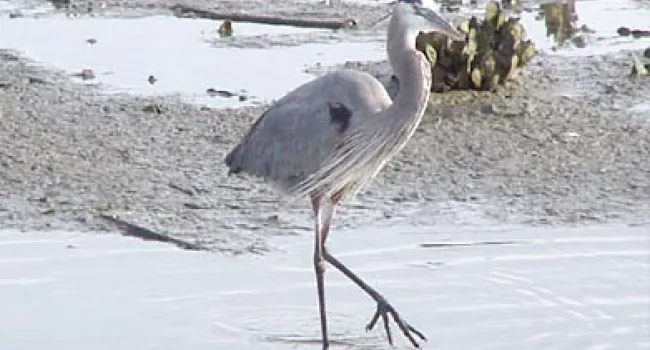
Great Blue Herons | The Salt Marsh

Photo

Grades

  • 6
  • 7
  • 8
  • 9
  • 10
  • 11
  • 12
Great Blue Herons | The Salt Marsh
Great blue herons are the largest of our herons. Standing over 3 feet tall, with a large, 6-inch-long dagger of a beak, they eat anything they can spear. They are bluish-gray in color. They most often...
 Raccoon | The Salt Marsh

Video

Grades

  • 6
  • 7
  • 8
  • 9
  • 10
  • 11
  • 12
Raccoon | The Salt Marsh
It ís a raccoon! Raccoons often feed near water and frequently visit the salt marsh during low tide. Raccoons are omnivorous and eat many different plants and animals. In the salt marsh, they often...
Alligators | The Salt Marsh

Photo

Grades

  • 6
  • 7
  • 8
  • 9
  • 10
  • 11
  • 12
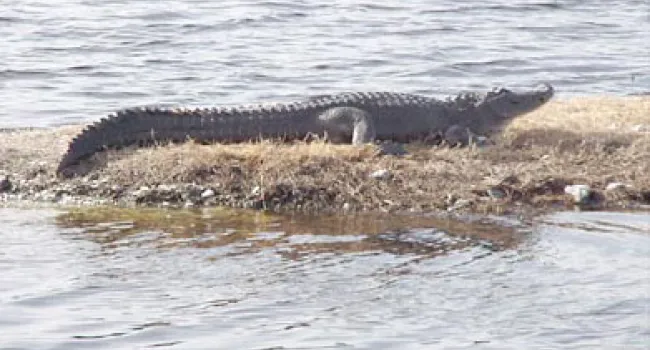
Alligators | The Salt Marsh
Alligators are not normally found in brackish or salt water, although they do occasionally swim there. They much prefer freshwater and must return to it to drink. They can reach 19 feet in length, but...
Blackwood, Ibra Charles | South Carolina Public Radio Brodie, Laura | South Carolina Public Radio

Audio

Grades

  • 6
  • 7
  • 8
  • 9
  • 10
  • 11
  • 12
  • Higher Education
Brodie, Laura | South Carolina Public Radio
"B" is for Brodie, Laura (1908-2004). Herpetologist. Born on a farm in Lexington County, Brodie began collecting snakes and frogs as a young child. By her teens she had converted an outbuilding into...
Florida Yellow Bladderwort | Expeditions Shorts Snow Bunting | Expeditions Shorts

Video

Grades

  • 3
  • 4
  • 5
  • 6
  • 7
  • 8
  • 9
  • 10
  • 11
  • 12
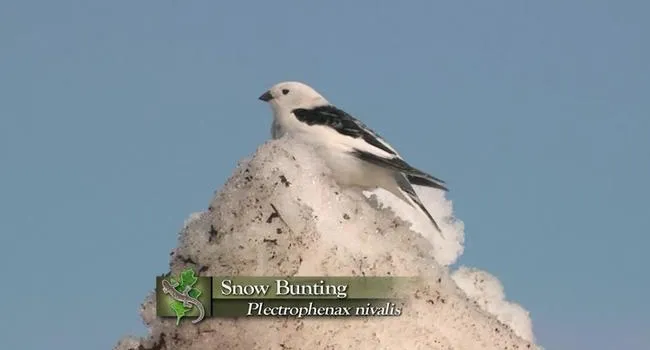
Snow Bunting | Expeditions Shorts
Patrick McMillan visits the North Slope Region of Alaska, where he showcases two species of bird which reside in this freezing cold region: the Snow Bunting, and the Lapland Longspur. The Snow Bunting...
Slave Cabin | Expeditions Shorts Big Bend Tree Lizard | Expeditions Shorts

Video

Grades

  • 3
  • 4
  • 5
  • 6
  • 7
  • 8
  • 9
  • 10
  • 11
  • 12
Big Bend Tree Lizard | Expeditions Shorts
Patrick McMillan visits the sunny, rocky slopes of Jeff Davis County, Texas, where he shows us the Big Bend Tree Lizard. This lizard is a subspecies of tree lizard, and they are described as “ornate”...
Slave Cabin | Expeditions Shorts Dall Sheep | Expeditions Shorts

Video

Grades

  • 3
  • 4
  • 5
  • 6
  • 7
  • 8
  • 9
  • 10
  • 11
  • 12
Dall Sheep | Expeditions Shorts
Dall Sheep are found roaming the mountains located within the interior region of Alaska. This species of sheep is native to Alaska, and are also found in some parts of Canada. Bighorn Sheep are also...
Longleaf Pine Flatwoods | Expeditions Shorts Florida Yellow Bladderwort | Expeditions Shorts

Video

Grades

  • 3
  • 4
  • 5
  • 6
  • 7
  • 8
  • 9
  • 10
  • 11
  • 12
Florida Yellow Bladderwort | Expeditions Shorts
In Apalachicola National Forest, Patrick talks about Karst Topography, or giant limestone sinkholes located all over Florida. When these sinkholes fill up with water, many species of plants and...
Slave Cabin | Expeditions Shorts Giant Sacaton Grass | Expeditions Shorts

Video

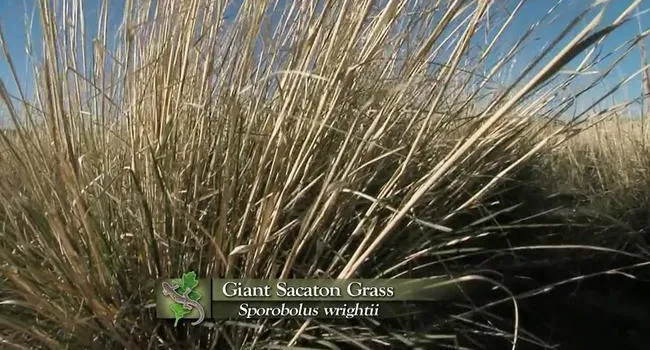
Giant Sacaton Grass | Expeditions Shorts
Here at Appleton-Whittell Research Ranch in Arizona, Patrick McMillan and Linda Kennedy talk about Giant Sacaton Grass, which makes a great habitat for sparrows, and diamond-back rattlesnakes.