The Cove Forest

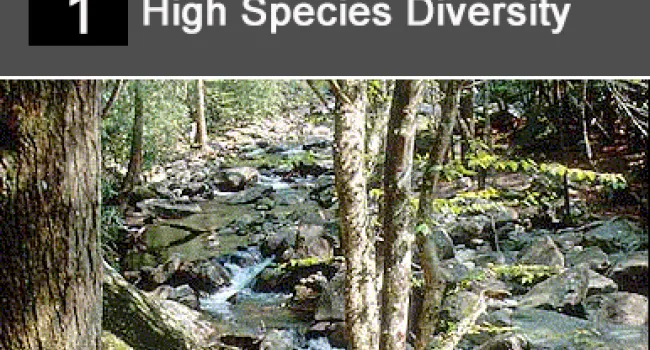
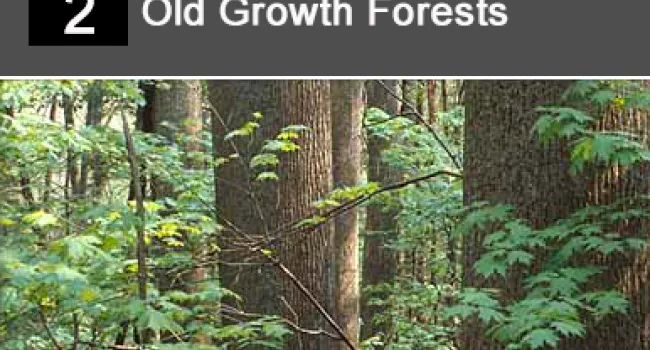
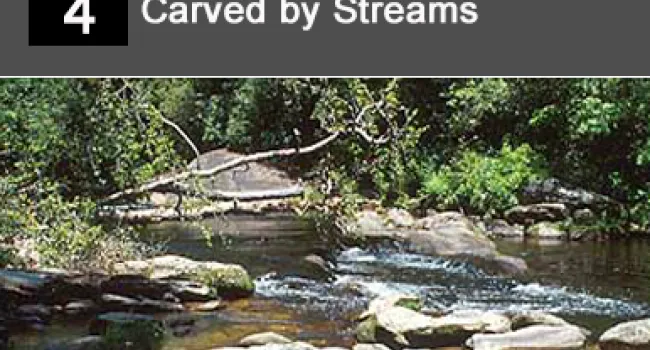
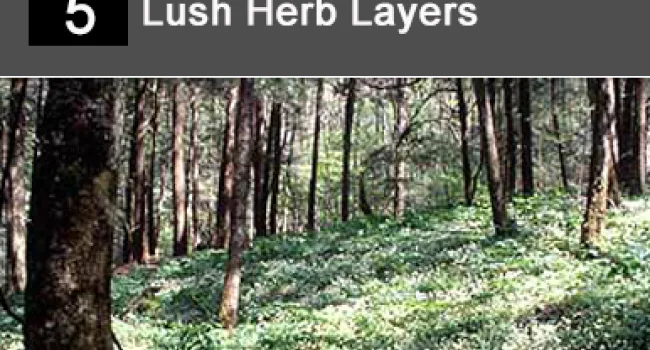
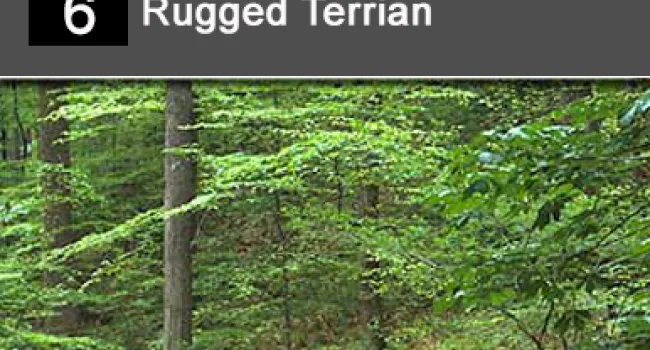
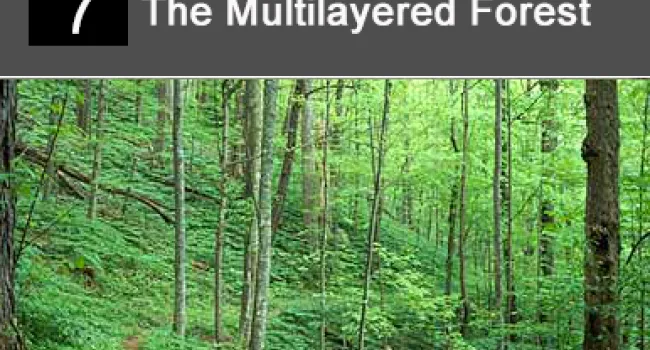
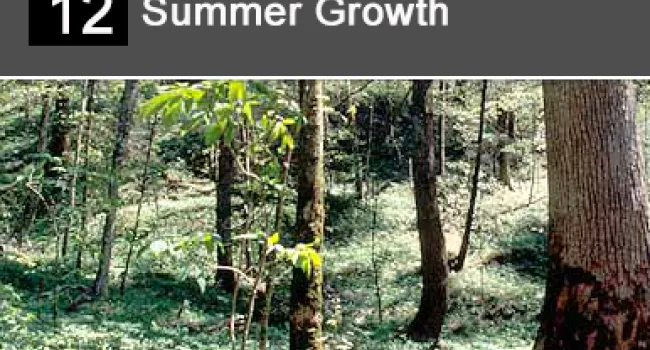
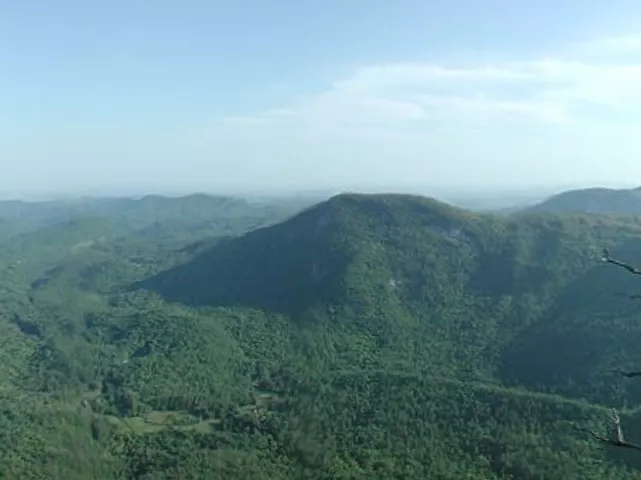
Cove forests are unique ecosystems found exclusively in North America, in the southern Appalachian Mountains of the United States. They are a special type of forest known as mixed deciduous, meaning that forest's trees lose their leaves in fall. Cove forests are restricted to mountain "coves," which are bowl-shaped valleys with very rich, fertile, damp soil. Many cove forests have streams wandering through part of the forest. The cove forests of the South exhibit the greatest plant and tree diversity of any forests in the United States.

The cove forests of South Carolina are restricted to the northwest portion of the state, extending from the north of Westminster to north of Greenville, Jones Gap State Park, Table Rock State Park, Oconee State Park, and Caesars Head State Park all contain cove forest communities. For more information, view the credits or find out how to plan a trip to a cove forest.

---

PLEASE NOTE:

  • Adobe will stop updating and distributing the Flash Player at the end of 2020.
  • We plan to officially retire The Cove Forest - FLASH VERSION June 2020. 
  • All content from the Flash version has been extracted to HTML below.
Resource Type
Gray Fox | The Cove Forest

Photo

Grades

  • 6
  • 7
  • 8
  • 9
  • 10
  • 11
  • 12
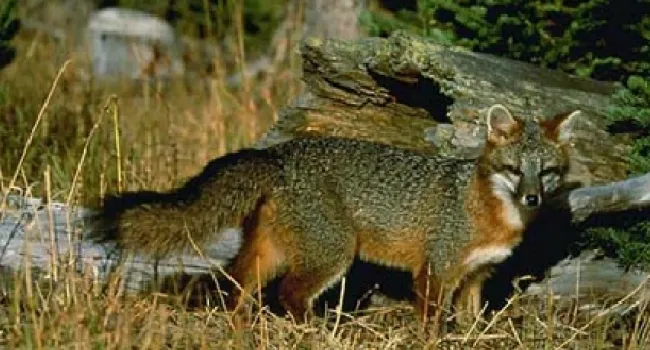
Gray Fox | The Cove Forest
(Urocyon cinereoargneteus) This fox is widely distributed and associated with decidous forests. The gray fox is an omnivore and will eat fruit, insects and small mammal prey items. This is the only...
Flying Squirrel | The Cove Forest

Photo

Grades

  • 6
  • 7
  • 8
  • 9
  • 10
  • 11
  • 12
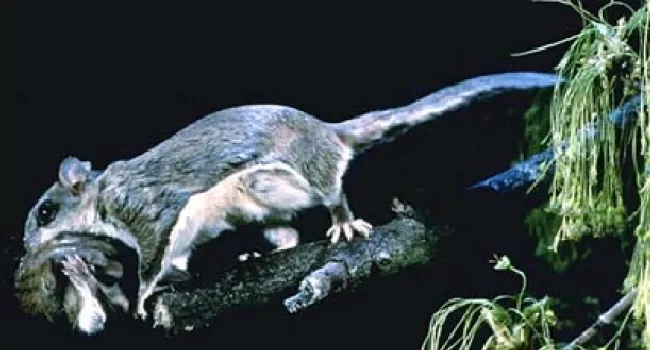
Flying Squirrel | The Cove Forest
(Glaucomys volans) This squirrel is one of the most common squirrels in the cove forests. Few are seen since they are strictly nocturnal. The flying squirrel does not fly, rather it glides by using...
Eastern Chipmunk | The Cove Forest

Photo

Grades

  • 6
  • 7
  • 8
  • 9
  • 10
  • 11
  • 12
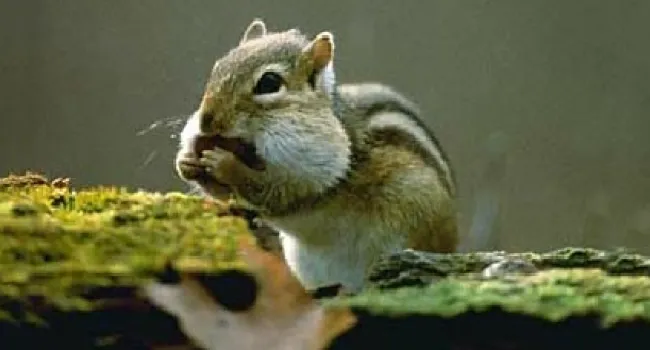
Eastern Chipmunk | The Cove Forest
(Tamias striatus) This ground squirrel is a burrowing mammal but is adept at climbing through trees. Nuts and seeds are the primary food sources; however, flowers, leaves, fungi and small amphibians...
Golden Mouse | The Cove Forest

Photo

Grades

  • 6
  • 7
  • 8
  • 9
  • 10
  • 11
  • 12
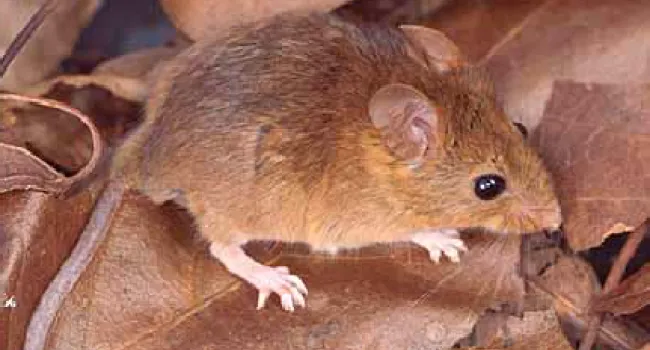
Golden Mouse | The Cove Forest
(Ochrotomys nuttali) This rodent is one of the most beautiful of our native mice. A light to brilliant orange-gold fur is characterstic of the adults. This mouse uses shrubs and vines as a serial...
Hooded Warbler | The Cove Forest

Photo

Grades

  • 6
  • 7
  • 8
  • 9
  • 10
  • 11
  • 12
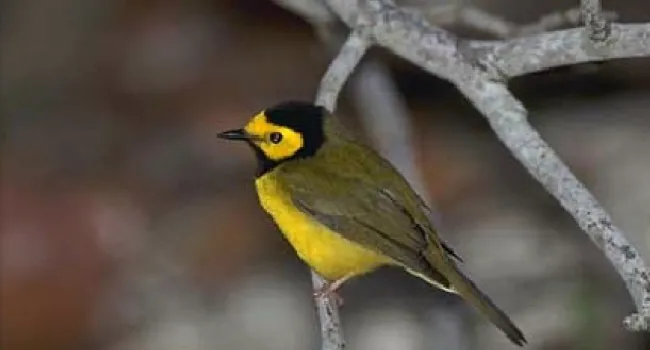
Hooded Warbler | The Cove Forest
(Wilsonia citrina) These warblers are common in the moist hardwood forests of the southeast. Their feeding activity is usually concentrated in the understory bushes. They consume insects on the ground...
Ovenbird | The Cove Forest

Photo

Grades

  • 6
  • 7
  • 8
  • 9
  • 10
  • 11
  • 12
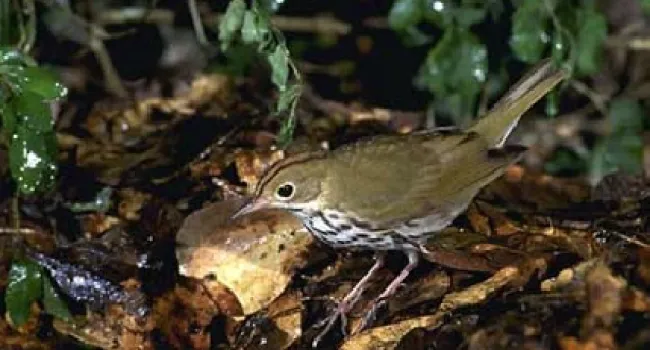
Ovenbird | The Cove Forest
(Seiurus aurocapillus) This bird requires mature hardwood forests for successful breeding. Often observed walking on the leaf litter of the forest floor searching for insects. Its call is heard as a...
Acadian Flycatcher | The Cove Forest

Photo

Grades

  • 6
  • 7
  • 8
  • 9
  • 10
  • 11
  • 12
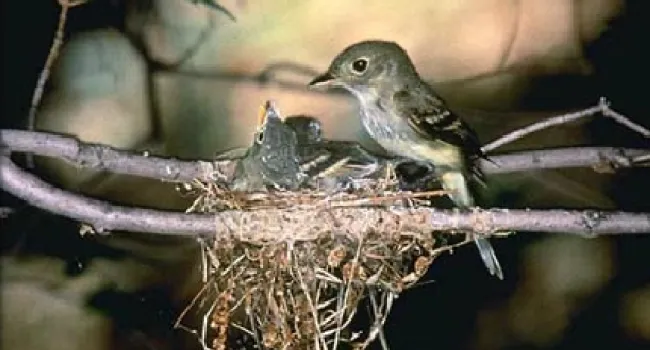
Acadian Flycatcher | The Cove Forest
(Empidonax virescens) This flycatcher prefers deciduous forests that are associated with relatively moist habitats such as those found along rivers. High affinity for sites with high shrub densities...
Worm-Eating Warbler | The Cove Forest

Photo

Grades

  • 6
  • 7
  • 8
  • 9
  • 10
  • 11
  • 12
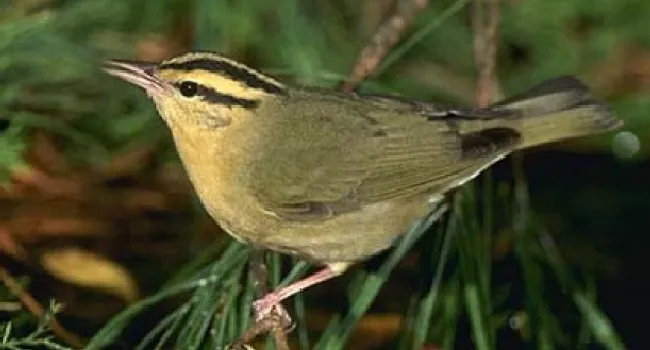
Worm-Eating Warbler | The Cove Forest
(Helmitheros vermivorus) An insect eater that does not feed heavily on earthworms. Most feeding is concentrated at the ground or shrub levels. Prefers dense wooded areas, especially cool, shaded...
Scarlet Tanager | The Cove Forest

Photo

Grades

  • 6
  • 7
  • 8
  • 9
  • 10
  • 11
  • 12
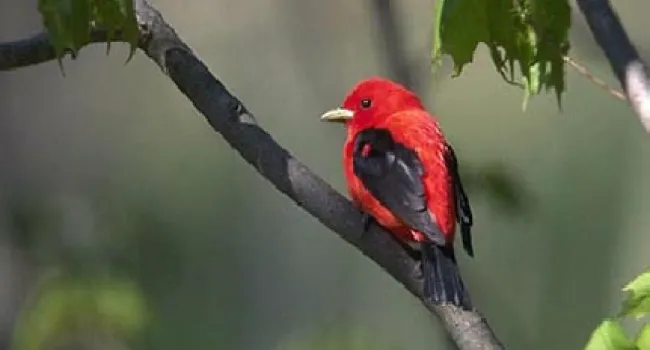
Scarlet Tanager | The Cove Forest
(Piranga olivacea) This species is also usually in the top ten list of common birds in mature oak-hickory and cove hardwood forests. Prefers to forage in oak trees and in forests with closed canopies...
Black-Throated Blue Warbler | The Cove Forest

Photo

Grades

  • 6
  • 7
  • 8
  • 9
  • 10
  • 11
  • 12
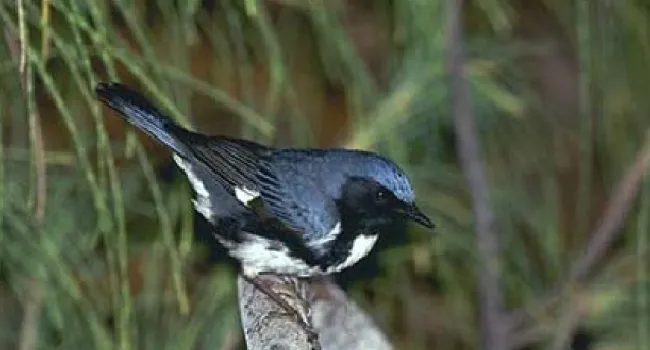
Black-Throated Blue Warbler | The Cove Forest
(Dendroica caerulescens) This warbler prefers to forages in the shrub layer associated with the cove forests, especially rhododendron thickets, hobble bush and mountain laurel. Has an affinity for...
Red-Eyed Vireo | The Cove Forest

Photo

Grades

  • 6
  • 7
  • 8
  • 9
  • 10
  • 11
  • 12
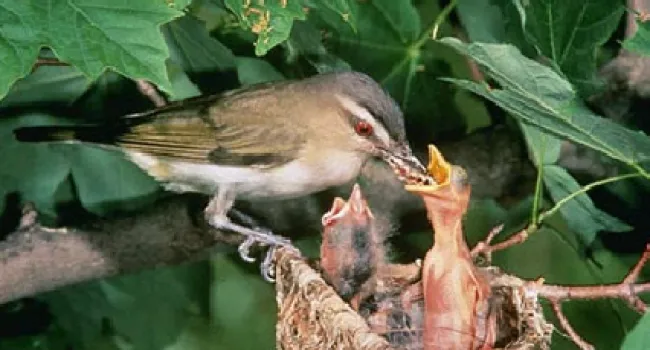
Red-Eyed Vireo | The Cove Forest
(Vireo olivaceus) One of the most common birds in the cove forest, but rarely seen since this species feeds in the treetops. This species is usually in the top ten list of common birds in mature oak...
White-Breasted Nuthatch | The Cove Forest

Photo

Grades

  • 6
  • 7
  • 8
  • 9
  • 10
  • 11
  • 12
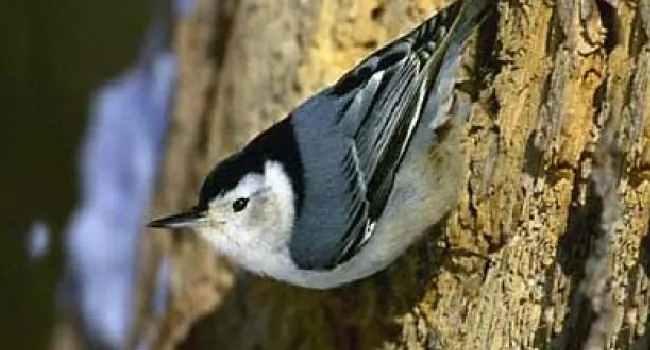
White-Breasted Nuthatch | The Cove Forest
(Sitta carolinensis) Typically found in mature hardwood forests. Forages for insects on the trunk and large branches of tress by hopping up and down clinging to the bark. In the winter stores or...
SC Life - The Cove Forest Credits

Document

SC Life - The Cove Forest Credits
Cove Forests are unique ecosystems found exclusively in North America, in the southern Appalachian Mountains of the United States. They are a special type of forest known as mixed decidous, meaning...
Pileated Woodpecker | The Cove Forest

Photo

Grades

  • 6
  • 7
  • 8
  • 9
  • 10
  • 11
  • 12
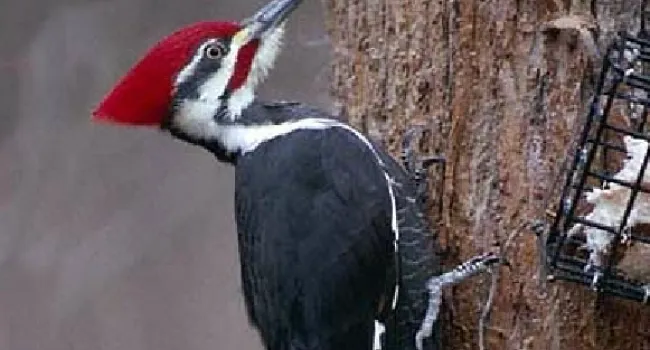
Pileated Woodpecker | The Cove Forest
The largest woodpecker in the United States that produced rectangular holes in dead trees, a favorite food of this bird is the carpenter ant. Mature hardwood forests are favored by this species and it...
Large-Flowered Heartleaf | The Cove Forest

Photo

Grades

  • 6
  • 7
  • 8
  • 9
  • 10
  • 11
  • 12
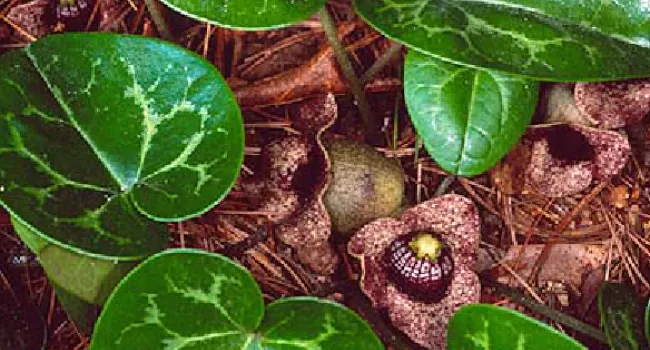
Large-Flowered Heartleaf | The Cove Forest
This low-growing plant has evergreen heart-shaped leaves. The large jug-shaped flowers occur on the soil surface, often under decomposing leaves. This species, like many woodland herbs, has ant...
Yellow Lady Slipper | The Cove Forest

Photo

Grades

  • 6
  • 7
  • 8
  • 9
  • 10
  • 11
  • 12
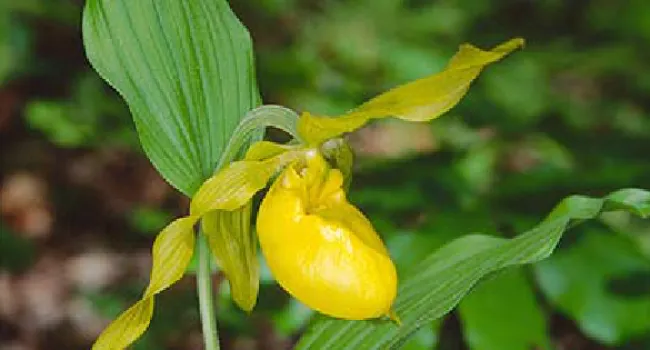
Yellow Lady Slipper | The Cove Forest
(Cypripedium calceolus var. pubescens) This native orchid is a joy to see in its native habitat. The large yellow flowers with a conspicuous pouch depend on deception for pollination as it offer no...
Wood Nettle | The Cove Forest

Photo

Grades

  • 6
  • 7
  • 8
  • 9
  • 10
  • 11
  • 12
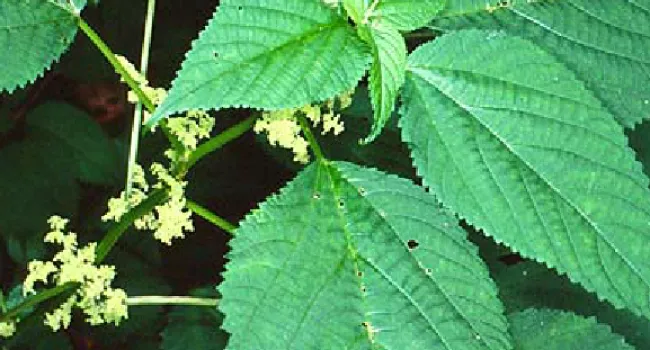
Wood Nettle | The Cove Forest
(Laportea canadensis) This is a plant that you may not want to touch as stinging hairs cover its stems and leaves. Why does it sting? One hypothesis is that its hairs deter some animals from feeding...
Oconee Bells | The Cove Forest

Photo

Grades

  • 6
  • 7
  • 8
  • 9
  • 10
  • 11
  • 12
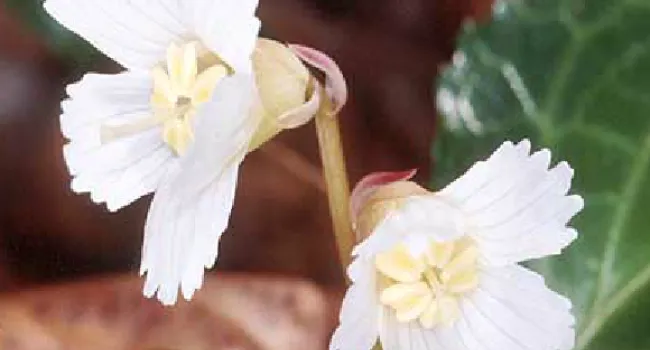
Oconee Bells | The Cove Forest
(Shortia galacifolia) A small evergreen species related to galax with white flowers produced in March. It was discovered ty the French botanist Andre Michaux in 1787 growing at the confluence of the...
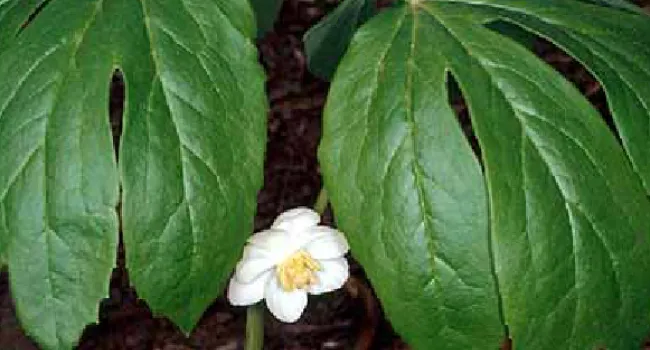
Mayapple | The Cove Forest

Photo

Grades

  • 6
  • 7
  • 8
  • 9
  • 10
  • 11
  • 12
Mayapple | The Cove Forest
(Podophyllum peltatum) This widespread herb forms dense carpets on the forest floor in early spring. Single large white flowers with yellow centers hang down beneath the large umbrella-like leaves...
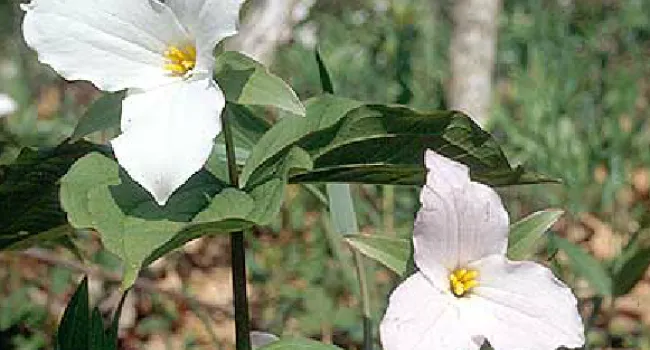
Large-Flowered Trillium | The Cove Forest

Photo

Grades

  • 6
  • 7
  • 8
  • 9
  • 10
  • 11
  • 12
Large-Flowered Trillium | The Cove Forest
Trilliums are easily recognized by having a single whorl of three leaves and one conspicuous flower. The large white flowers of this species are initially white but change to pink as the flower ages...
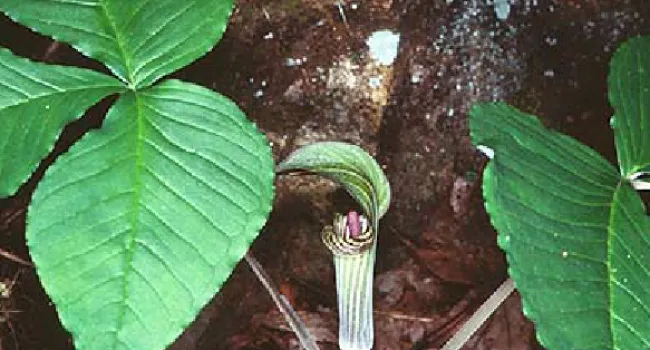
Jack in the Pulpit  | The Cove Forest

Photo

Grades

  • 6
  • 7
  • 8
  • 9
  • 10
  • 11
  • 12
Jack in the Pulpit | The Cove Forest
This unusual plant produces one or two leaves, each of which is divided into three leaflets. A cluster of tiny flowers is produced at the base of the striped tubular structure (called a spathe) that...
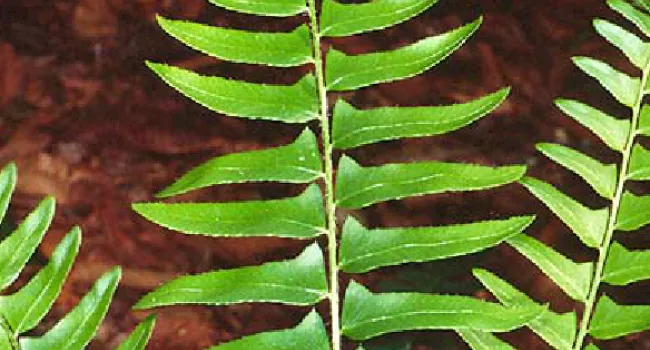
Christmas Fern  | The Cove Forest

Photo

Grades

  • 6
  • 7
  • 8
  • 9
  • 10
  • 11
  • 12
Christmas Fern | The Cove Forest
(Polystichum acrostichoides) This evergreen fern commonly occurs in moist sites including ravines and rocky slopes. Only the leaves emerge above ground - the stem is underground. Like all ferns, it...
Canada Violet  | The Cove Forest

Photo

Grades

  • 6
  • 7
  • 8
  • 9
  • 10
  • 11
  • 12
Canada Violet | The Cove Forest
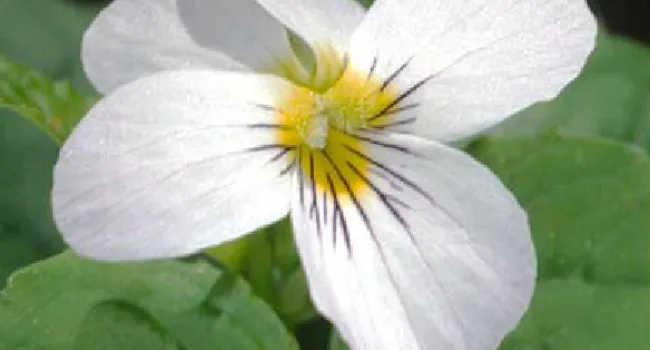
(Viola canadensis) This relatively tall violet with heart-shaped leaves is frequently encountered in cove forests. It produces many white flowers that fade to purple with age. Often found in clumps...
Bloodroot | The Cove Forest

Photo

Grades

  • 6
  • 7
  • 8
  • 9
  • 10
  • 11
  • 12
Bloodroot | The Cove Forest
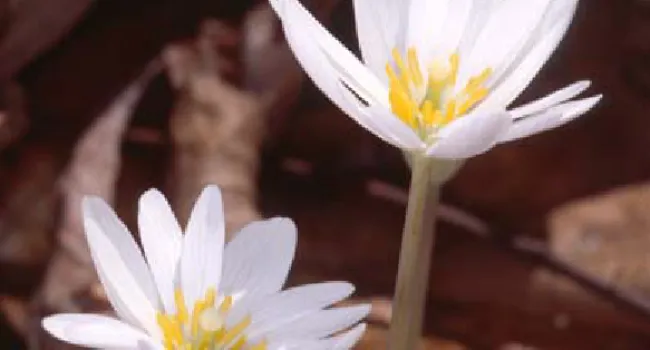
(Sanguinaria Canadensis) Bloodroot is one of the first plants to bloom in spring. Only one flower and one leaf is produced per plant. The large white flower opens in the day and closes at night. The...