Visit the South Carolina Department of Education for Science standards.

Take a quick look at all Science series on Knowitall.org


Toggle Filters

Filter By:

Clear Filters

Grade Levels

close

Grade

Resource Type

close

Resource Type

Downloadable Content

close

Downloadable Content

Visit the South Carolina Department of Education for Science standards.

Take a quick look at all Science series on Knowitall.org


Bay Anchovy | The Salt Marsh

Photo

Grades

  • 6
  • 7
  • 8
  • 9
  • 10
  • 11
  • 12
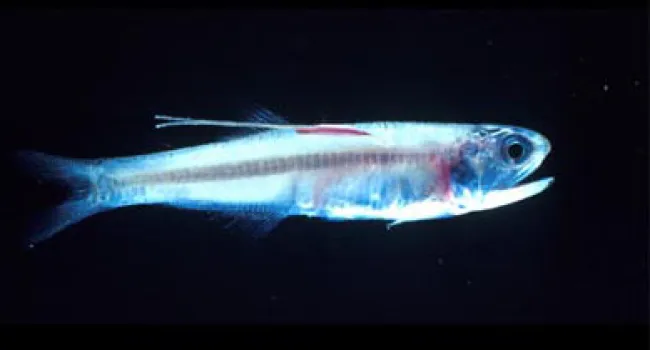
Bay Anchovy | The Salt Marsh
The bay anchovy is the most numerous fish in the estuaries of South Carolina. They are food to larger fish and to many birds. Anchovies are specialized to feed on plankton. They have a huge mouth and...
Spot & Croaker | The Salt Marsh

Photo

Grades

  • 6
  • 7
  • 8
  • 9
  • 10
  • 11
  • 12
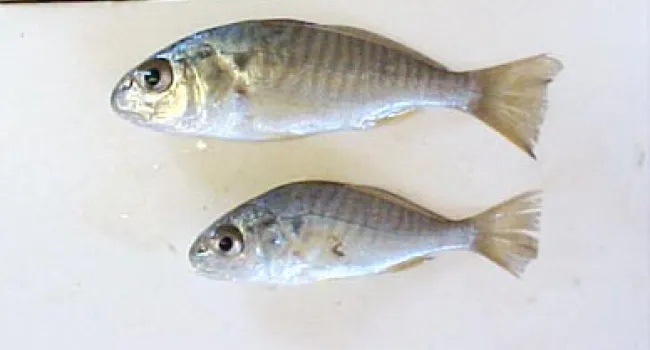
Spot & Croaker | The Salt Marsh
Spot and croaker are closely related fish. They look alike, with light vertical bands, but the spot is named for a dark spot just behind its gill cover. All members of this group of fish make noises...
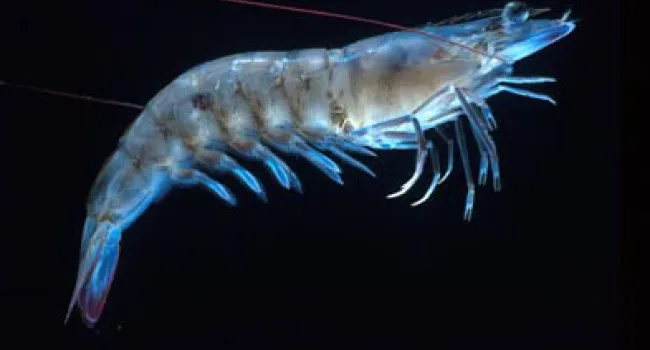
Shrimp | The Salt Marsh

Photo

Grades

  • 6
  • 7
  • 8
  • 9
  • 10
  • 11
  • 12
Shrimp | The Salt Marsh
Three different species of shrimp are collected commercially from offshore and from the salt marsh. They are the pink shrimp, the brown shrimp, and the white shrimp. They are large, up to 10 inches in...
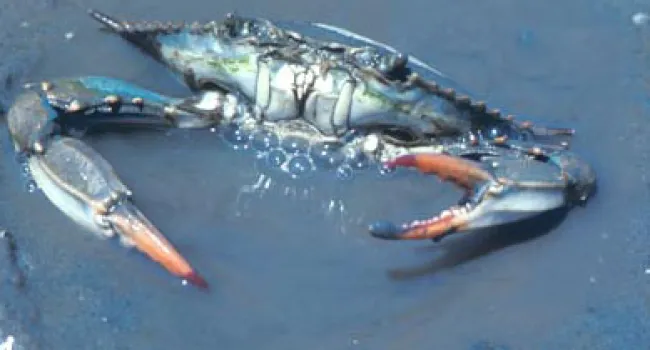
Blue Crabs | The Salt Marsh

Photo

Grades

  • 6
  • 7
  • 8
  • 9
  • 10
  • 11
  • 12
Blue Crabs | The Salt Marsh
Blue crabs are active predators and effective scavengers. They occur throughout the estuary. They can swim by using their last pair of legs, which have been modified into paddles instead of walking...
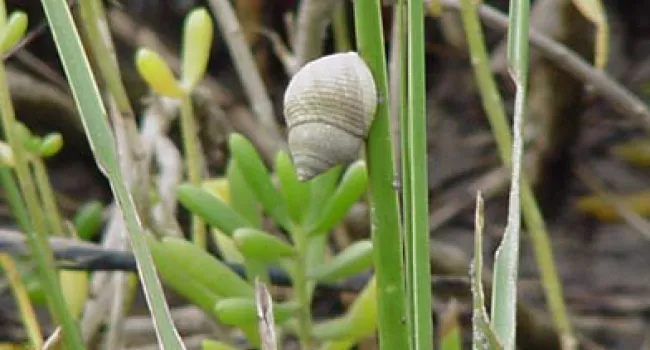
Periwinkle | The Salt Marsh

Photo

Grades

  • 6
  • 7
  • 8
  • 9
  • 10
  • 11
  • 12
Periwinkle | The Salt Marsh
At low tide, the periwinkles crawl down to the base of the stem, where algae grow best, and graze the algae off the stems. When the tide rises, however, the periwinkles crawl up the stems. Why don't...
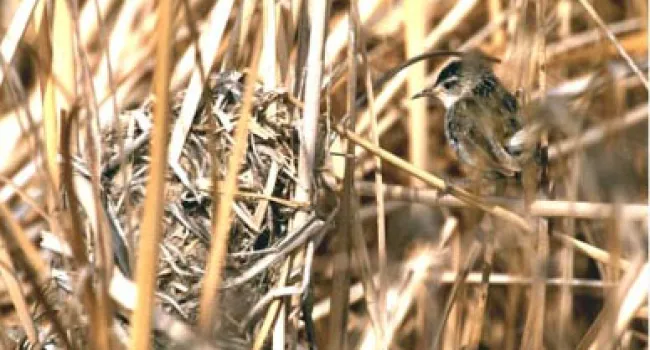
Marsh Wren | The Salt Marsh

Photo

Marsh Wren | The Salt Marsh
The wrens build their nests in the tips of living Spartina. The nests are made out of dead Spartina. They are not open, but are covered, so the nest looks like a ball of dead grass. There is a hole on...
Fiddler Crabs Emerging from Their Burrows | The Salt Marsh Male Fiddler Behavior | The Salt Marsh

Video

Grades

  • 6
  • 7
  • 8
  • 9
  • 10
  • 11
  • 12
Male Fiddler Behavior | The Salt Marsh
Male fiddler crabs have one large claw, which can be either their left or right. They wave these large claws at other males to frighten them away from their territory. When they wave the claw, they...
Great Blue Herons | The Salt Marsh

Photo

Grades

  • 6
  • 7
  • 8
  • 9
  • 10
  • 11
  • 12
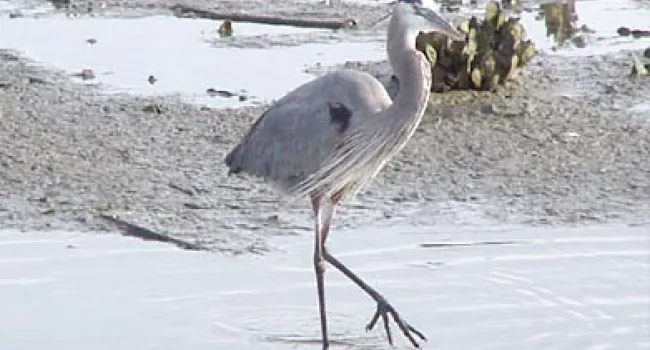
Great Blue Herons | The Salt Marsh
Great blue herons are the largest of our herons. Standing over 3 feet tall, with a large, 6-inch-long dagger of a beak, they eat anything they can spear. They are bluish-gray in color. They most often...
 Raccoon | The Salt Marsh

Video

Grades

  • 6
  • 7
  • 8
  • 9
  • 10
  • 11
  • 12
Raccoon | The Salt Marsh
It ís a raccoon! Raccoons often feed near water and frequently visit the salt marsh during low tide. Raccoons are omnivorous and eat many different plants and animals. In the salt marsh, they often...
Alligators | The Salt Marsh

Photo

Grades

  • 6
  • 7
  • 8
  • 9
  • 10
  • 11
  • 12
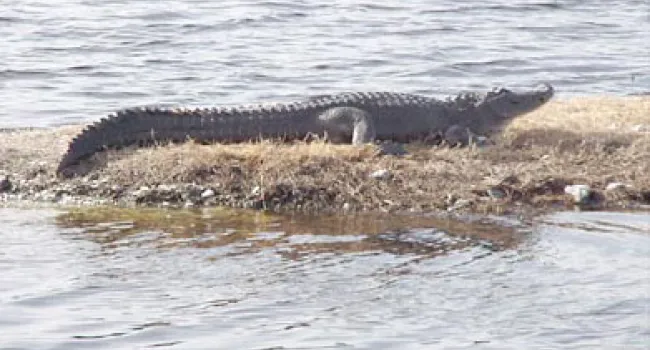
Alligators | The Salt Marsh
Alligators are not normally found in brackish or salt water, although they do occasionally swim there. They much prefer freshwater and must return to it to drink. They can reach 19 feet in length, but...