The Animal Kingdom

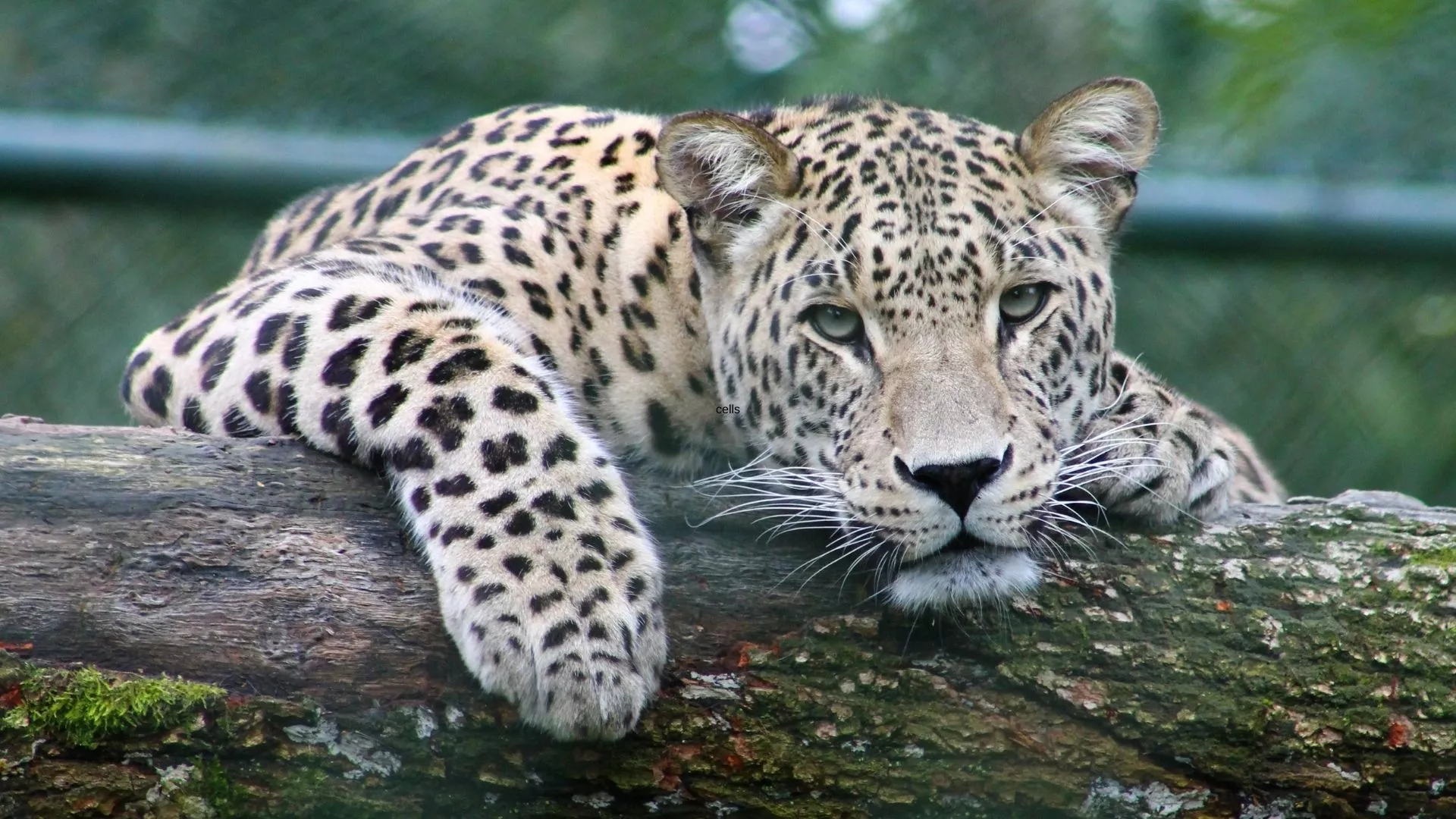
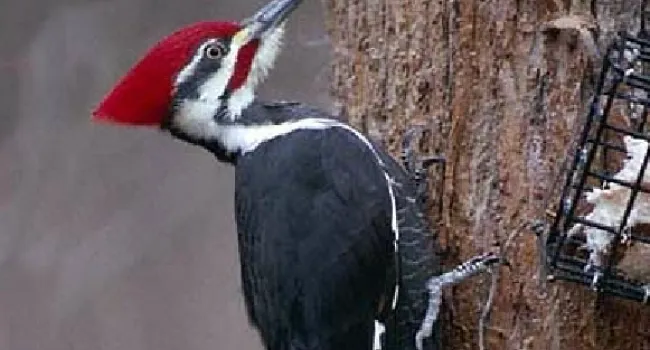
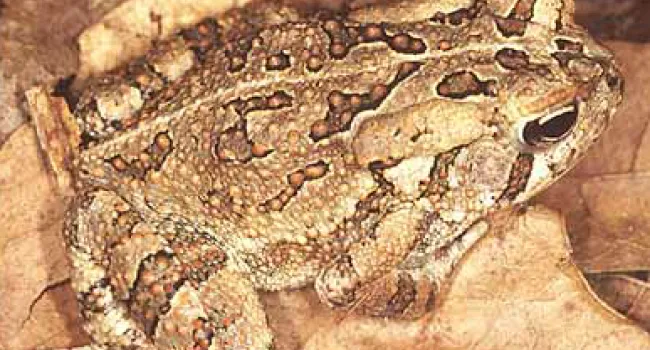
There are different groups of animals. One way to classify or group animals is by taking a look at their physical characteristics. Animals can be vertebrates (have a backbone) or invertebrates (have no backbone)
The Animal Kingdom | Topics
Collapse
Expand
Toggle Filters

Filter By:

Clear Filters

Grade Levels

close

Grade

Resource Type

close

Resource Type

Downloadable Content

close

Downloadable Content
The Animal Kingdom | Topics
Collapse
Expand
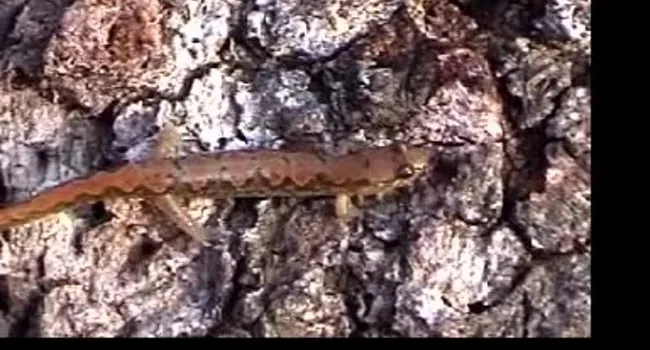
 Two-Lined Salamander | The Cove Forest

Video

Grades

  • 3
  • 4
  • 5
  • 6
  • 7
  • 8
  • 9
  • 10
  • 11
  • 12
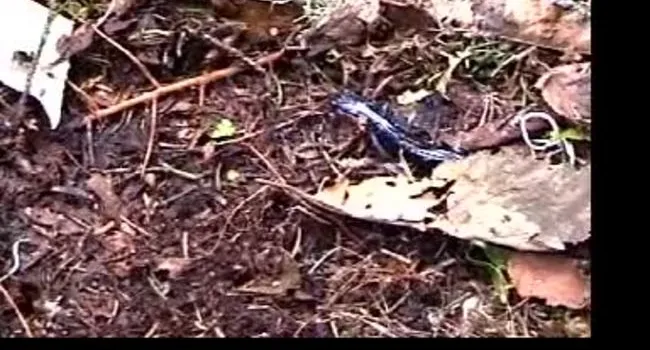
Two-Lined Salamander | The Cove Forest
(Eurycea bislineata) The two-lined is one of the smallest salamanders in the cove forest. This species is found under logs and rocks in the moist soil conditions, usually near water. Breeding occurs...
 Wood Frog | The Cove Forest

Video

Grades

  • 3
  • 4
  • 5
  • 6
  • 7
  • 8
  • 9
  • 10
  • 11
  • 12
Wood Frog | The Cove Forest
(Rana sylvatica) This medium sized frog is primarily a northern species with its most southerly distribution associated with the cove forests of the mountain of SC. It is ieasily identifiied by its...
Golden Mouse | The Cove Forest Eastern Pipistrelle Bat | The Cove Forest

Video

Grades

  • 3
  • 4
  • 5
  • 6
  • 7
  • 8
  • 9
  • 10
  • 11
  • 12
Eastern Pipistrelle Bat | The Cove Forest
The pipistrelle is the smallest bat in the southern US. This is one of the most common bats in the cove forest. This bat is a very early evening feeder and tends to feed at treetop levels.
Golden Mouse | The Cove Forest Short-Tailed Shrew | The Cove Forest

Video

Grades

  • 3
  • 4
  • 5
  • 6
  • 7
  • 8
  • 9
  • 10
  • 11
  • 12
Short-Tailed Shrew | The Cove Forest
This shrew is very common and is one of the largest of the various shrew species weighing 11- 30 g. Food consists mainly of invertebrates such as earthworms, snails, and insects. However, these shrews...
Golden Mouse | The Cove Forest Deer Mouse | The Cove Forest

Video

Grades

  • 3
  • 4
  • 5
  • 6
  • 7
  • 8
  • 9
  • 10
  • 11
  • 12
Deer Mouse | The Cove Forest
(peromyscus maniculatus) This rodent is the most important prey item for the avian and mammalian predators that frequent the cove forest. This specis is the most widespread of North American rodents...
Golden Mouse | The Cove Forest Masked Shrew | The Cove Forest

Video

Grades

  • 3
  • 4
  • 5
  • 6
  • 7
  • 8
  • 9
  • 10
  • 11
  • 12
Masked Shrew | The Cove Forest
(sorex cinereus) This insectivore is related to the common moles. It is one of the smallest mammals found in the United States weighing between 2-5 g. It is constantly active with a very high...
Golden Mouse | The Cove Forest Red-Backed Vole | The Cove Forest

Video

Grades

  • 3
  • 4
  • 5
  • 6
  • 7
  • 8
  • 9
  • 10
  • 11
  • 12
Red-Backed Vole | The Cove Forest
(clethrionomys gapper) This rodent is a relative of the muskrat and lemming. This vole is found only in cove forests at higher altitudes in the mountains of South Carolina. It is semifossorial using...
Copperhead | The Cove Forest Eastern Box Turtle | The Cove Forest

Video

Grades

  • 3
  • 4
  • 5
  • 6
  • 7
  • 8
  • 9
  • 10
  • 11
  • 12
Eastern Box Turtle | The Cove Forest
(Terrapene carolina) This turtle is very common and is highly terrestrial. The males have red eyes and the bottom of the shell (plastron) is scoped out; while the females have brown/yellow eyes and a...
Copperhead | The Cove Forest Rat Snake | The Cove Forest

Video

Grades

  • 3
  • 4
  • 5
  • 6
  • 7
  • 8
  • 9
  • 10
  • 11
  • 12
Rat Snake | The Cove Forest
(Elaphe obsoleta) The rat snake is one of the most diurnal of snakes found in the cove forest. This snake is a very adept climber and is frequently found climbing trees and nesting in tree cavities...
Horseshoe Crab, Part 1 | Short Takes with Naturalist Rudy Mancke Sponge

Video

Grades

  • 3
  • 4
  • 5
  • 6
  • 7
  • 8
  • 9
  • 10
  • 11
  • 12
Sponge
Naturalist Rudy Mancke explains the sponge animal.